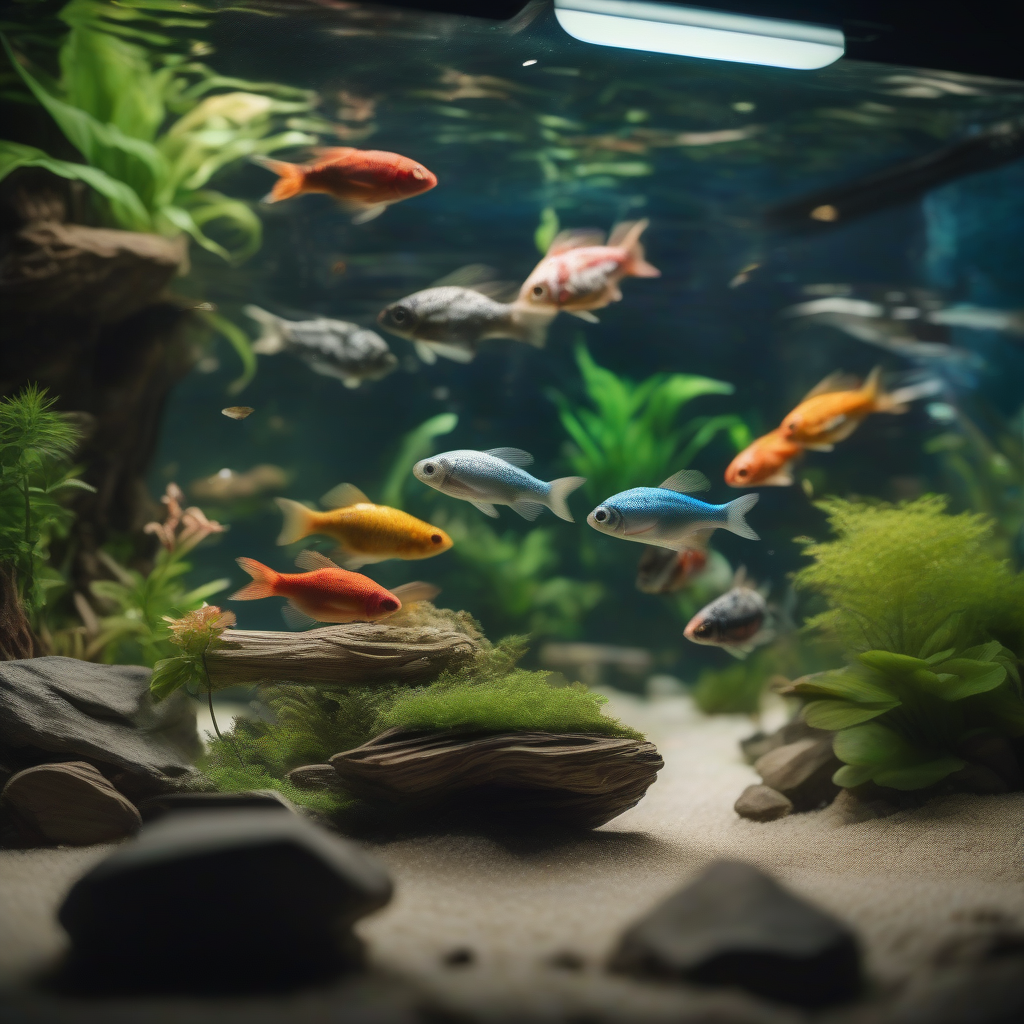
In this article, you will discover your fish's hidden mental maps within the aquarium, their spatial memory abilities, and how to support these cognitive capacities to reduce their stress. Learn the scientific secrets to transforming your aquarium into a learning and exploration space that optimizes your fish's mental health.


Discover the neurobiological signals of hidden stress your newly adopted cat experiences during adaptation to a new social environment. This article reveals 5 insidious signs of your cat's silent struggle and scientific strategies for peaceful, long-term harmony.

Your dog's anal sacs, located beneath the tail, can be hidden alarm bells often overlooked but profoundly affecting their quality of life. In this article, you will discover the 5 insidious neurobiological effects of anal sac problems on the brain and the lifesaving care secrets you need to know for your furry friend to live a peaceful life.
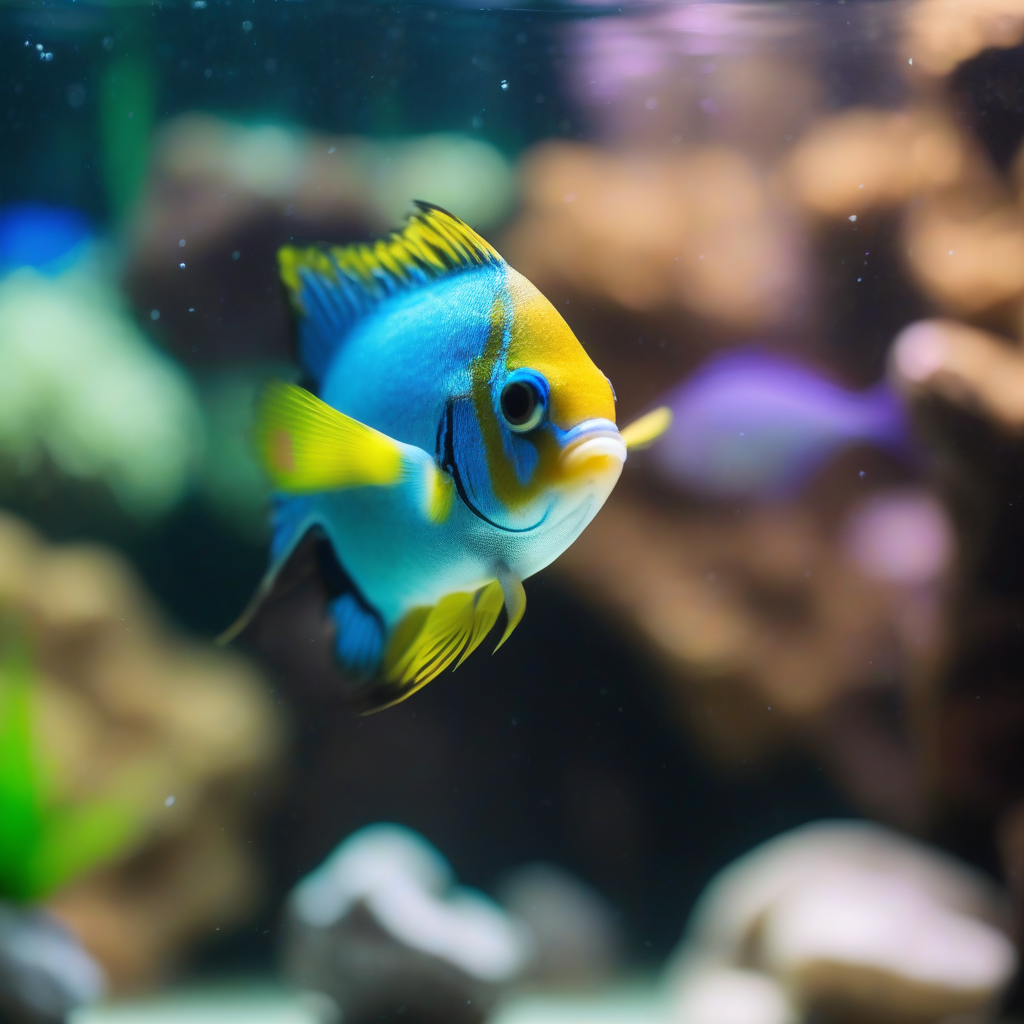
In this article, you will find comprehensive information on the insidious neurotoxic effects of heavy metal poisoning in aquarium fish, its symptoms, and lifesaving emergency intervention codes. This condition, which can arise from household water sources, improper equipment, or neglect, can severely threaten your fish's quality of life and lifespan.
Aquarium fish are often labeled as 'forgetful,' yet this common belief is far from scientific reality. In fact, fish possess astonishing spatial memory and navigation skills. Your aquarium is not just a living space for them, but a complex 'map' they constantly explore, learn, and record in their memory. Understanding these hidden maps and meeting your fish's cognitive needs is vital for their psychological well-being as much as their physical health. As of March 2026, it's clear that modern pet ownership goes beyond simply meeting basic needs; we must also focus on our pets' mental health. So, what do these mental maps consist of, and how can you transform your aquarium into a richer cognitive experience for your fish?
Spatial memory is an organism's ability to recall the locations of objects in its environment and the relationships between them. Like mammals, fish possess hippocampus-like structures in their brains, allowing them to create a detailed mental map of their surroundings. This map includes where food sources are located, areas of danger, hiding spots, and even the positions of individuals within their social groups. Research has shown that fish can remember complex mazes, associate specific light or color signals with certain rewards, and even learn the location of a human figure outside the aquarium. This ability is a critical tool for their survival and inter-species interactions.
In an aquarium setting, fish readily learn the location of the filter, a secluded spot behind a particular plant, or the feeding area. This learning process isn't limited to physical obstacles; it also includes invisible cues such as water flow, temperature differences, and even chemical signals. This spatial memory provides fundamental security for a fish to live a stress-free, confident life.
Fish use multiple sensory organs to navigate within the aquarium. Their vision allows them to distinguish colors and shapes, while their lateral line organ detects pressure changes and currents in the water, helping them identify 'invisible' obstacles. Their sense of smell can enable them to follow feeding trails or chemical traces left by conspecifics. All this sensory information is integrated in their brains, forming a constantly updated navigation system.
A constantly changing aquarium environment can challenge these navigation skills. Frequent radical changes to decor can force fish to remap their surroundings, leading to stress. This can negatively impact their feeding patterns, social interactions, and overall behavior. Conversely, a monotonous aquarium lacking sufficient stimulation can lead to cognitive stagnation and boredom, which is a stress factor in itself.
For fish, the aquarium is also their 'safe zone'. If a fish cannot adequately recognize its environment or is constantly forced to confront a new setting, this can lead to chronic stress. This stress not only causes behavioral changes (e.g., reduced activity, hiding, aggression) but also weakens the immune system, reducing resistance to diseases. Physical health issues, such as those discussed in Your Fish's Invisible Lungs: Early Signs of Gill Diseases and 5 Critical Intervention Secrets (March 2026), can be indirectly linked to increased stress.
In environments where spatial memory is weak or underutilized, fish may expend more energy trying to find food or hiding places. This results in unnecessary energy loss and a decrease in overall well-being. Conversely, a rich and predictable environment encourages fish to be more relaxed and exploratory, leading to a more mentally active and healthy state.
There are several scientific strategies you can implement to support your fish's spatial memory abilities and reduce their stress in the aquarium. These strategies will help you transform your aquarium into a living space tailored to their cognitive needs:
Caves, roots, rock formations, and dense vegetation that mimic natural habitats provide a rich structure for fish to explore and remember. These structures offer both hiding places and create different routes and destinations for fish to utilize their navigation skills. Remember, as highlighted in Your Aquarium's Micro-Climate: Your Fish's Secret 'Hiding Places' and Unknown Codes of Well-being, hiding places are not just a physical need but also a psychological reassurance.
Constantly and radically changing aquarium decor can be stressful for fish. However, small, gradual changes, such as adding a new plant or slightly relocating existing decor, can provide mental stimulation. This helps fish update their 'maps' and maintain cognitive flexibility. The keyword here is 'measured'.
Instead of always feeding from the same spot, occasionally feed from different areas of the aquarium to encourage fish to explore new routes and remember the location of food sources. This can also support the sparks of intelligence mentioned in Your Fish's 'Invisible Masters': Secret Training Codes and Intelligence Sparks Behind Fin Movements.
Each fish species has its unique behavioral and cognitive needs. For example, labyrinth fish enjoy complex vegetation near the surface, while bottom dwellers prefer caves and rocks. By researching your species' natural habitat, you can create an aquarium layout that best supports their spatial memory. Your Aquarium's Secret Social Map: Fish Hierarchies, Aggressive Behaviors, and Scientific Secrets to Creating a Peaceful Habitat also emphasizes the importance of social dynamics in this regard.
Regularly observe your fish's behavior in the aquarium. If there are signs of stress (shivering, hiding, loss of appetite, aggression), review your environmental arrangements. Every fish is an individual, and adapting your aquarium based on their reactions will yield the best results. Keep in mind that topics like Your Fish's Secret Habitat Code: Aquarium Substrate Microbiome and Health Secrets! can also indirectly affect the fish's overall well-being and thus their cognitive capacities.
Your fish's spatial memory and navigation abilities are significant evidence of how complex they are as sentient beings. Transforming your aquarium into a living space that encourages these cognitive capacities and minimizes fish stress will not only ensure their health but also make your aquarium hobby more rewarding. By deciphering your fish's 'hidden maps' in the aquarium, you can offer them a happier and more mentally enriched life. Veterinarians and aquarium experts increasingly emphasize that the behavioral needs of fish are a fundamental component of their overall health.
