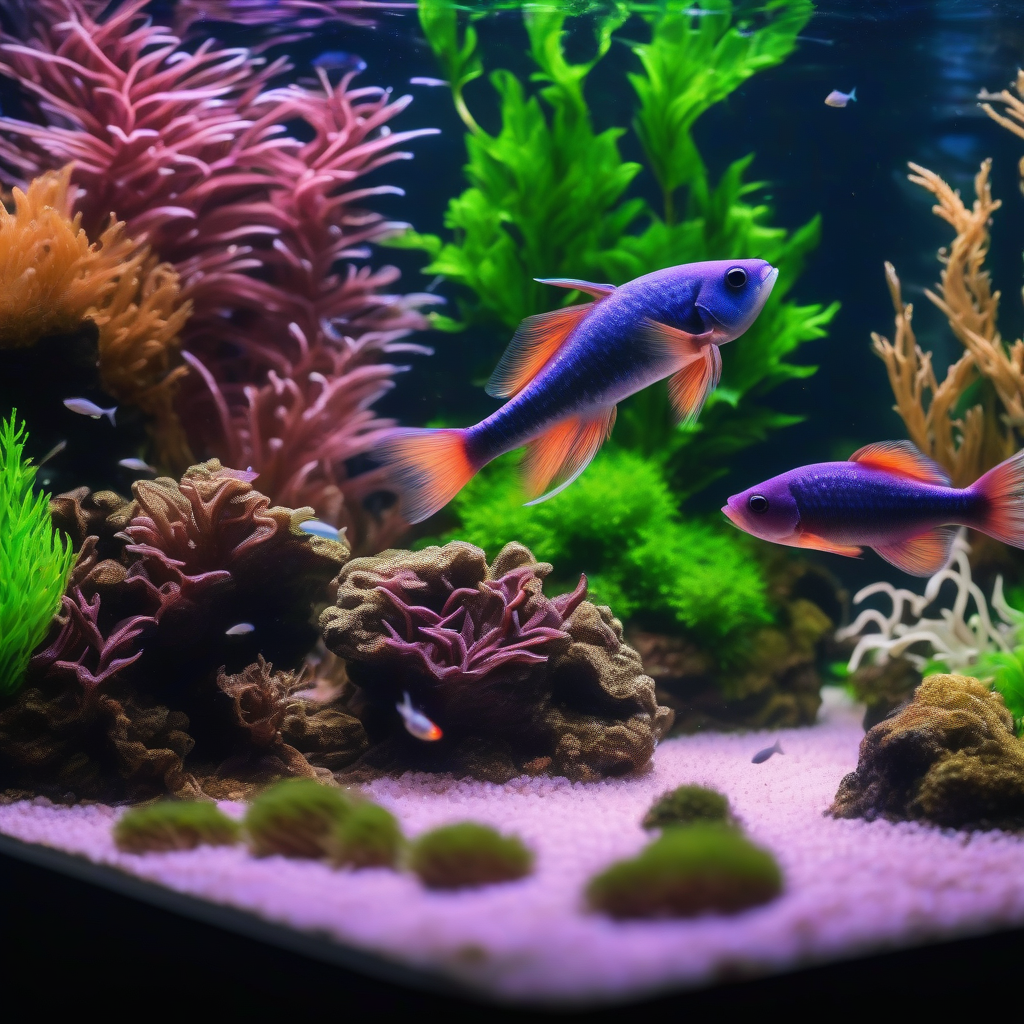
In this article, you will discover the scientific secrets of the invisible microbiome beneath your aquarium's substrate, profoundly impacting your fish's health and stress. Learn how to optimize substrate conditions to enhance water quality, disease resistance, and overall well-being.


Discover the neurobiological signals of hidden stress your newly adopted cat experiences during adaptation to a new social environment. This article reveals 5 insidious signs of your cat's silent struggle and scientific strategies for peaceful, long-term harmony.

Your dog's anal sacs, located beneath the tail, can be hidden alarm bells often overlooked but profoundly affecting their quality of life. In this article, you will discover the 5 insidious neurobiological effects of anal sac problems on the brain and the lifesaving care secrets you need to know for your furry friend to live a peaceful life.
In this article, you will find comprehensive information on the insidious neurotoxic effects of heavy metal poisoning in aquarium fish, its symptoms, and lifesaving emergency intervention codes. This condition, which can arise from household water sources, improper equipment, or neglect, can severely threaten your fish's quality of life and lifespan.
Your aquarium is more than just a glass box containing water, fish, and a few plants. In fact, beneath the water, an invisible ecosystem profoundly impacting your fish's health and well-being, known as the substrate microbiome, is hidden. This microbiome represents one of the most strategic and often overlooked habitats within your aquarium. As a veterinary content strategist, this article will delve into the scientific secrets, importance, and optimization of a healthy substrate microbiome for your fish.
The aquarium substrate acts as a sponge, harboring billions of microorganisms, primarily bacteria, which are the cornerstones of the aquarium ecosystem. One of their most critical roles is managing the nitrogen cycle, which directly affects aquarium water quality. Toxic compounds like ammonia, nitrite, and nitrate, resulting from fish waste and leftover food, are rendered harmless by these unseen workers.
Nitrifying bacteria (e.g., Nitrosomonas and Nitrobacter), living in the aerobic (oxygen-rich) regions within the substrate, convert ammonia into nitrite and nitrite into nitrate. While nitrate is less toxic, it can still cause problems in high concentrations. This is where denitrifying bacteria, found in the deeper, anaerobic (oxygen-deprived) regions of the substrate, come into play. These bacteria convert nitrate into nitrogen gas, releasing it into the atmosphere and reducing the nitrate load in the water column. A balanced substrate microbiome ensures these two processes run smoothly, creating a stable and healthy environment for fish.
Biofilms formed on substrate surfaces are crucial not only for the nitrogen cycle but also for the fish's overall immune system. These biofilms host beneficial bacteria, as well as other microorganisms like microalgae and fungi. Fish in their natural habitats constantly interact with these biofilms, influencing various biological processes from their digestive systems to their mucus layers. A healthy biofilm creates a shield against potential pathogens, working synergistically with Your Fish's Invisible Armor: Scientific Secrets of the Mucus Layer and 5 Critical Care Shields Against Diseases.
The type, grain size, porosity, and depth of the substrate directly influence the microbiome it hosts. Fine-grained sands can increase bacterial colonization by offering more surface area but can also lead to the rapid formation of anaerobic zones if overly compacted, potentially causing toxic gas (hydrogen sulfide) buildup. Coarser gravel allows for better water flow and oxygen penetration while offering less surface area. Specialized substrates, such as plant soil, provide nutrients to plant roots and create an ideal environment for the development of a rich microbiome.
A healthy substrate microbiome has a decisive impact on your fish's overall health and stress levels:
Incorrect substrate selection or maintenance can lead to severe disruptions in the substrate microbiome. Overfeeding and inadequate cleaning can cause organic matter accumulation within the substrate and excessive development of anaerobic zones. This situation can lead to increased ammonia and nitrite levels due to impaired nitrification, while also fostering the formation of toxic gases like hydrogen sulfide. These gases can be lethal to fish and may even lead to gill problems, as described in Your Fish's Invisible Lungs: Early Signs of Gill Diseases and 5 Critical Intervention Secrets (March 2026).
To establish and maintain a healthy substrate microbiome, professional veterinarians recommend the following:
The aquarium substrate microbiome is an unseen yet vital life support system for your fish. Understanding and properly managing this hidden ecosystem is one of the most crucial steps you can take for your fish to live a longer, healthier, and happier life. Remember, a healthy aquarium doesn't just mean clean water; it also means maintaining the balance of the invisible life deep within the substrate. With advice from your professional veterinarian, you can transform your aquarium's substrate into a shield of health for your fish.
