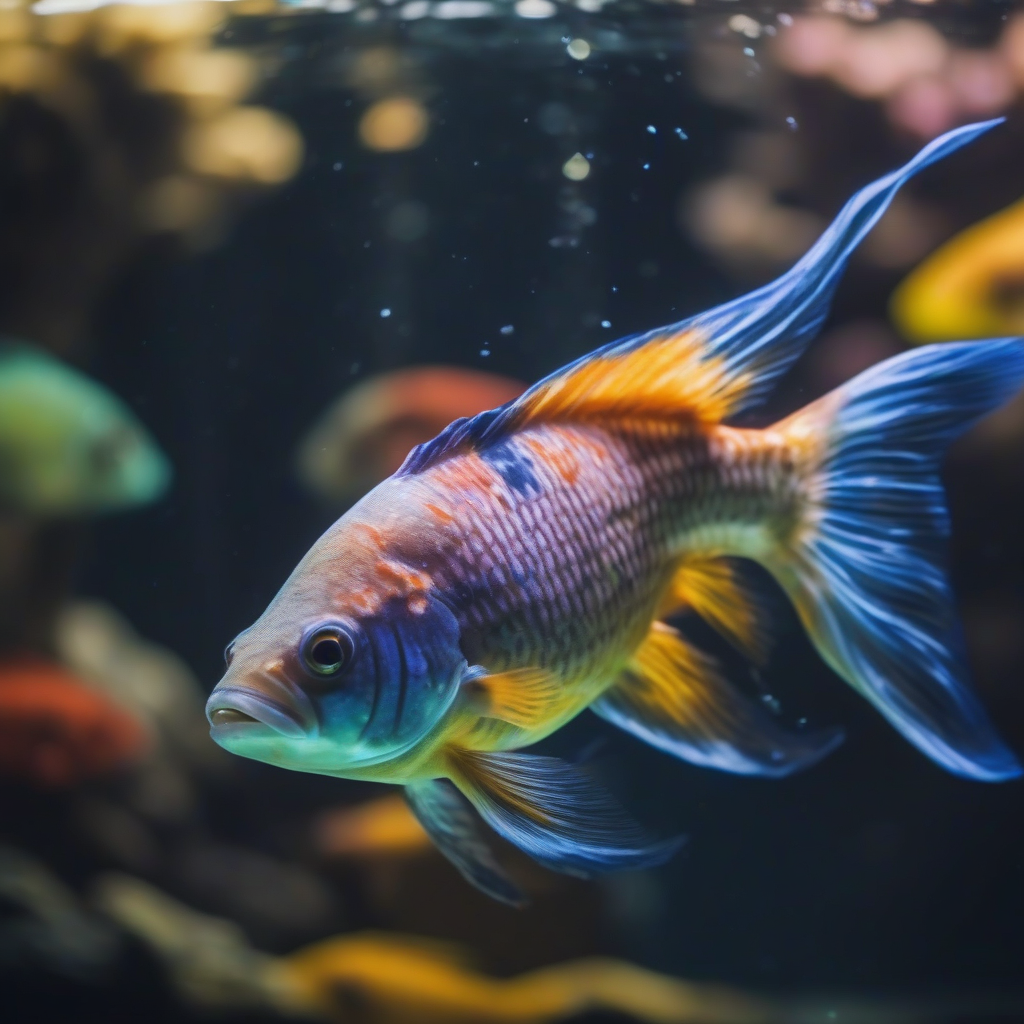
In this article, you will find comprehensive information on the social dynamics, hierarchical structures, and psychological roots of aggressive behaviors in your fish, along with scientific secrets to creating a peaceful habitat.


Discover the neurobiological signals of hidden stress your newly adopted cat experiences during adaptation to a new social environment. This article reveals 5 insidious signs of your cat's silent struggle and scientific strategies for peaceful, long-term harmony.

Your dog's anal sacs, located beneath the tail, can be hidden alarm bells often overlooked but profoundly affecting their quality of life. In this article, you will discover the 5 insidious neurobiological effects of anal sac problems on the brain and the lifesaving care secrets you need to know for your furry friend to live a peaceful life.

In this article, you will find comprehensive information on the insidious neurotoxic effects of heavy metal poisoning in aquarium fish, its symptoms, and lifesaving emergency intervention codes. This condition, which can arise from household water sources, improper equipment, or neglect, can severely threaten your fish's quality of life and lifespan.
While the aquarium hobby offers a calming and aesthetic experience for many, beneath the surface of the water lies a complex, unseen social world. Fish, much like terrestrial animals, establish internal hierarchical structures, defend territories, select mates, and sometimes exhibit aggressive behaviors. Understanding and managing these behaviors is vital not only for your fish's physical health but also for their psychological well-being and the overall harmony within your aquarium. So, how can you read this "secret social map" and create a peaceful ecosystem for your aquatic friends?
Many fish species develop a distinct hierarchical order within an aquarium environment. This order generally means that the most dominant individual has priority access to resources (food, hiding spots, breeding partners), and weaker individuals must adapt to this. This hierarchy can sometimes manifest as slight nudges and, at other times, as overt aggression.
Dominant fish are often larger, more brightly colored, or may exhibit their superiority by claiming specific territories. Fish in submissive roles, on the other hand, may be more timid, paler in color, or constantly seek hiding places. The formation of these roles varies depending on the species' nature, the size of the aquarium, and the number of individuals present. For instance, some cichlid species are highly territorial and hierarchical, while schooling fish like tetras are generally more peaceful but can still form a leadership structure among themselves. This hierarchical structure can increase stress levels, especially when the microclimate of your aquarium: the unknown codes of your fish's secret 'hiding places' and well-being is not properly designed.
One of the most obvious times the hierarchy is observed is during feeding. Dominant fish usually get the first meal and may chase others away when they approach. Similarly, decorations, plants, or rock formations in the aquarium can become potential "territories." Every fish tends to view a specific area as its "home," especially during breeding seasons or when needing to hide. Insufficient or poorly placed territories can trigger aggressive interactions.
While aggressive behaviors are a natural instinct for fish, they can spiral out of control in an aquarium setting and threaten the health of other fish. Understanding the underlying psychological reasons for these behaviors is key to finding effective solutions.
Limited space in an aquarium triggers the natural territorial instincts of fish. Every fish needs a personal space where it feels safe and free from stress. The violation of this space, especially between fish of the same species or similar size, can lead to fierce fights. Insufficient or monotonous decorations can further fuel these conflicts. Environmental factors such as the mysterious power of aquarium lighting: scientific secrets to breaking your fish's invisible stress and unleashing their colors are also crucial for the psychological well-being of fish.
Breeding periods are when fish can be most aggressive. Male fish compete with each other to attract females and defend breeding territories. This competition can lead to serious injuries or deaths, especially if there are multiple males of the same species or an insufficient number of females. In some species, female fish can also become aggressive while defending their eggs.
An overcrowded aquarium is a constant source of stress for fish. Insufficient swimming space, few hiding places, and increased waste load weaken the fish's immune system and can also trigger aggressive behaviors. Stressed fish become more sensitive and may react aggressively even to minor disturbances. Furthermore, physical health issues such as your fish's invisible lungs: early signs of gill diseases and 5 critical intervention secrets (march 2026) can also increase stress in fish and pave the way for aggressive behaviors.
It is possible for your fish to coexist happily and harmoniously in your aquarium with proper planning and careful management.
When selecting aquarium inhabitants, considering the compatibility of species is crucial. Avoid pairing aggressive species with peaceful ones. Opt for fish of similar size and temperament. Remember that each species has its unique social needs and territorial requirements. For example, some fish prefer to live alone, while others are happier in schools. The article aquarium hidden compatibility secrets: social integration codes you need to know before adopting fish can provide more in-depth information on this topic.
The size of the aquarium is one of the most critical factors for social harmony. Ensure that each fish has enough swimming and personal space. Additionally, provide plenty of natural hiding places (plants, caves, driftwood) to create areas where submissive or stressed fish can rest and feel safe. This is one of the most effective ways to reduce potential conflicts.
A monotonous environment can lead to boredom and aggression in fish. Enrich your aquarium with different textures, plant densities, and decorative elements. This helps fish satisfy their need for exploration and exhibit natural behaviors. Training and intelligence games, such as your fish's 'invisible masters': secret training codes and intelligence sparks behind fin movements, can also keep fish mentally engaged.
Regularly observing your fish's behavior is crucial for early detection of potential problems. Symptoms such as excessive aggression, constant hiding, pale colors, or refusal to eat can indicate an issue. If necessary, intervene by temporarily separating aggressive fish or rearranging the aquarium layout.
In conclusion, understanding the social psychology of your fish is a critical step not only for their well-being but for the peace and health of the entire aquarium ecosystem. With a science-based approach, you can successfully manage this hidden underwater world and enjoy a long, healthy life with your colorful companions.
