
In this article, you will discover the profound and often overlooked effects of aquarium lighting on your fish's overall health, stress levels, and natural coloration from a scientific perspective. Transform your aquarium into a living paradise with optimal lighting strategies.


Discover the neurobiological signals of hidden stress your newly adopted cat experiences during adaptation to a new social environment. This article reveals 5 insidious signs of your cat's silent struggle and scientific strategies for peaceful, long-term harmony.

Your dog's anal sacs, located beneath the tail, can be hidden alarm bells often overlooked but profoundly affecting their quality of life. In this article, you will discover the 5 insidious neurobiological effects of anal sac problems on the brain and the lifesaving care secrets you need to know for your furry friend to live a peaceful life.
In this article, you will find comprehensive information on the insidious neurotoxic effects of heavy metal poisoning in aquarium fish, its symptoms, and lifesaving emergency intervention codes. This condition, which can arise from household water sources, improper equipment, or neglect, can severely threaten your fish's quality of life and lifespan.
Do you pay as much attention to your aquarium's lighting system as you do to water quality, food selection, or tank arrangement? For many aquarists, aquarium lighting might seem merely a tool for plant growth or aesthetically showcasing their fish. However, it profoundly and often overlookedly impacts your fish's overall health, behavior, stress levels, and even reproductive cycles. In March 2026, guided by scientific data, we will unveil the secrets of how aquarium lighting can fundamentally transform the quality of life for your fish.
Aquarium lighting is not just a light source for aquatic creatures; it is a critical factor that mimics natural life cycles, maintains hormonal balance, and shapes environmental stimuli.
Like all living beings, fish have daily light-dark cycles, known as circadian rhythms. These rhythms regulate the secretion of many hormones, from melatonin to cortisol. Incorrect or irregular lighting can disrupt fish sleep patterns, lead to chronic stress, and weaken their immune systems. Proper photoperiod (daily light duration) ensures that your fish exhibit natural behaviors, rest, and prepare for reproduction. As we emphasized in our article, Your Fish's Hidden Anxieties: Understand the Signals in Your Aquarium and Create a Calm Environment, understanding stress factors is vital for fish welfare.
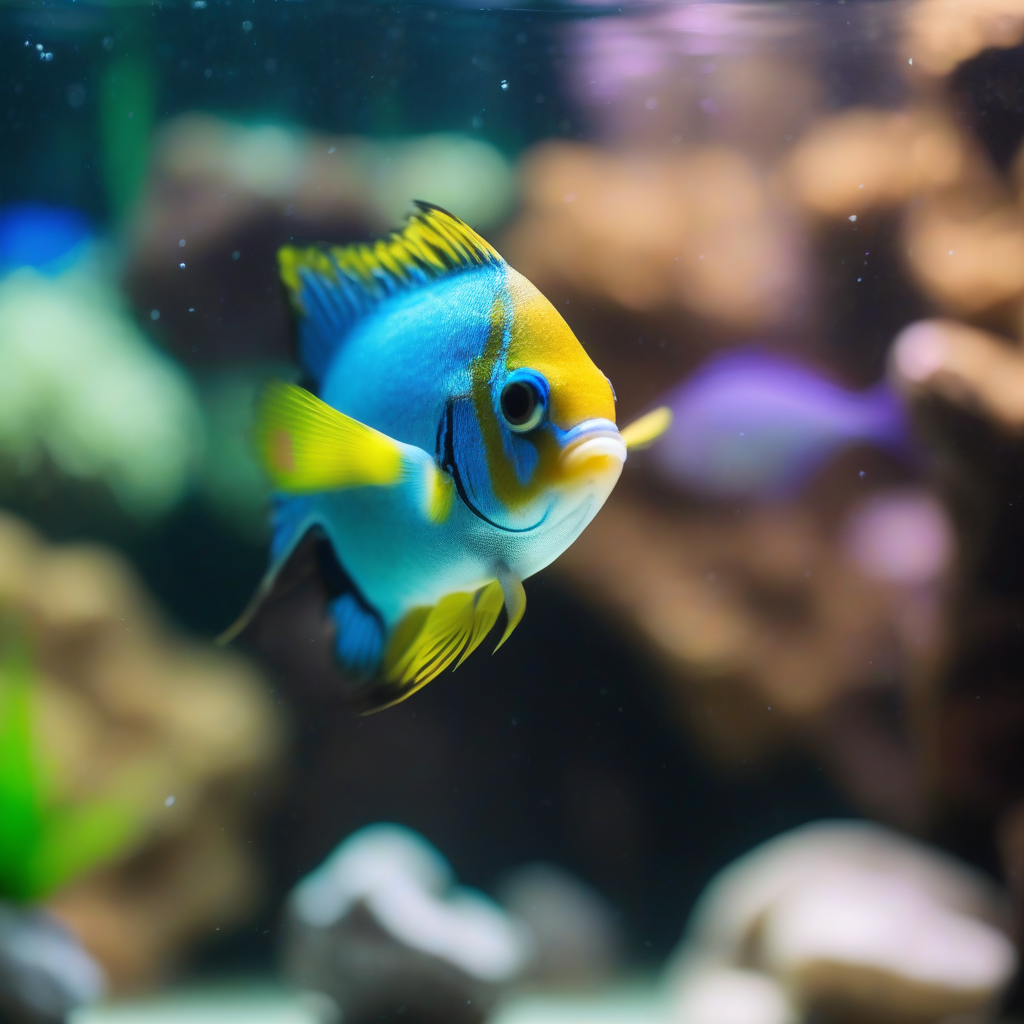
Fish eyes, though not as complex as human eyes, have the ability to perceive light at different wavelengths. The correct light spectrum helps fish display their natural colors more vibrantly and brightly, while also influencing behaviors such as hunting, mate selection, and intra-species communication. Full-spectrum lighting, in particular, makes fish feel more secure and perceive their surroundings more clearly. Missing or incorrect spectrum can lead to visual stress and even faded coloration in fish.
For planted aquariums, lighting is indispensable for plants to photosynthesize and grow healthily. Healthy plants increase oxygen levels in the aquarium, absorb harmful substances like nitrates, and create natural hiding spots for fish. Therefore, lighting optimized for plants indirectly positively affects your fish's water quality and overall well-being. This is an integral part of general aquarium care.
When setting up an ideal lighting system for your fish, there are several scientific criteria to consider:
The spectrum of lighting (color components of light) and the Kelvin value (color temperature of light) directly affect fish coloration and behavior. Generally, a Kelvin value around 6500K (daylight) is considered ideal for most freshwater fish and plants. Some fish species may prefer specific spectra they are exposed to in their natural habitats (e.g., greener/bluer for river fish, yellower/redder for shallow water fish).
Lighting intensity (measured by lumens or PAR value) and photoperiod (daily light duration) should be adjusted according to the aquarium's size, depth, plant density, and fish species. A photoperiod of 8-10 hours is ideal for most aquariums. Excessive intensity or prolonged lighting can lead to stress in fish and excessive algae growth, while insufficient lighting can hinder plant growth and reduce fish activity. The behavioral codes we discussed in our article, Your Aquarium Fish's Silent Artists: Breaking Behavioral Codes to Understand Stress Levels, can help you understand your fish's reactions to lighting changes.
For some fish species, especially those from natural habitats exposed to sunlight, certain proportions of UVA and UVB rays can be beneficial. UVB rays can aid in Vitamin D synthesis, supporting calcium absorption, but aquarium glass blocks most UVB. Specialized aquarium lamps can meet this need but should be used carefully and not excessively.
Incorrect lighting can lead to various negative effects on your fish's health:
To set up and maintain the best lighting system for your aquarium, you can implement the following strategies:
Aquarium lighting is a fundamental factor not only for your fish's "visible" health but also for their overlooked mental and biological well-being. With correct lighting strategies, you can reduce your fish's stress levels, maximize their natural colors, and enhance their overall vitality. Remember, a good aquarium is not just about clean water and adequate food; it also involves correctly harnessing the mysterious power of light. By doing so, you can unleash your fish's full potential, offering them a long, healthy, and colorful life. For overall health and vitality, Your Aquarium Fish's Secret Cellular Treasure Chest: Insidious Mineral Deficiencies and Vitality Secrets (March 2026) is also important.
