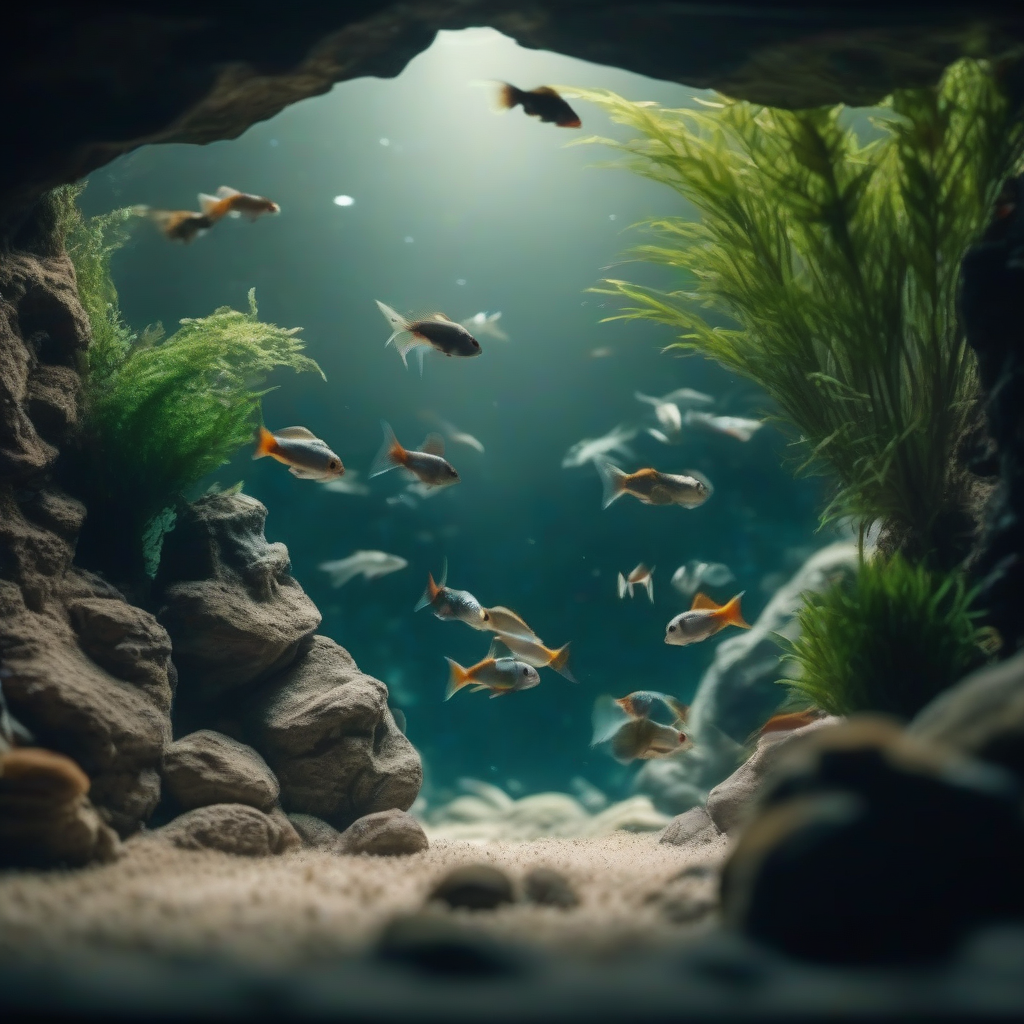
In this article, you can explore the profound effects of your fish's aquarium habitats on their well-being and happiness, and the importance of hidden hiding spots.


Discover the neurobiological signals of hidden stress your newly adopted cat experiences during adaptation to a new social environment. This article reveals 5 insidious signs of your cat's silent struggle and scientific strategies for peaceful, long-term harmony.

Your dog's anal sacs, located beneath the tail, can be hidden alarm bells often overlooked but profoundly affecting their quality of life. In this article, you will discover the 5 insidious neurobiological effects of anal sac problems on the brain and the lifesaving care secrets you need to know for your furry friend to live a peaceful life.

In this article, you will find comprehensive information on the insidious neurotoxic effects of heavy metal poisoning in aquarium fish, its symptoms, and lifesaving emergency intervention codes. This condition, which can arise from household water sources, improper equipment, or neglect, can severely threaten your fish's quality of life and lifespan.
Aquariums are more than just water tanks for our fish; they are a miniature representation of a complex ecosystem. Within this ecosystem, the psychological and behavioral well-being of fish is as important as their physical health. And one of the most critical components of this well-being is the often-overlooked 'hidden hiding spots'.
Fish, by nature, are both predators and prey. Even though the pressure of predation is removed in an aquarium environment, their instinctive need to feel secure persists. Hiding spots allow fish to lower their stress levels, avoid exhausting competition, and feel more at ease. This improves their overall health and increases their resistance to diseases.
In aquariums with insufficient or no hiding spots, fish may encounter the following problems:
As we discussed in our article, 'Your Dog's Secret 'Den' Need: More Than Shelter, It's the Key to Mental Well-being!', every species has unique needs for security and comfort. For fish, this 'den' typically refers to areas with the following characteristics:
Creating effective hiding spots in your aquarium is more than just an aesthetic concern; it involves meeting the specific needs of your fish species and their behaviors.
Rocks and roots, while enhancing the natural beauty of your aquarium, also offer hiding places for your fish, acting like mini mountain ranges or mysterious forests. By arranging rocks of different sizes or placing natural wood roots, you can create gaps and tunnels that your fish can enter and pass through. Species like tetras, livebearers, and catfish particularly enjoy hiding behind such natural formations.

Live plants not only help balance oxygen levels in the aquarium but also provide excellent hiding places. Densely leaved plants such as Java moss, Anubias species, and Amazon swords are perfect for small fish (e.g., neon tetras, rasboras) to hide and feel secure. Dense planting also positively impacts the aquarium's microclimate and mimics the natural habitats of fish.
Related Article: The Invisible Personalities of Your Aquarium Fish: Scientific Secrets to Deciphering Each Friend's Mind Map (/en/wiki/aquarium-fish-invisible-personalities-mind-map-scientific-secrets).
Special aquarium decorations, ceramic cavities, amphorae, or tube-shaped structures available on the market can offer fish safe and distinct hiding spots. When choosing these structures, ensure they have entry and exit holes suitable for your fish species' size, are free of sharp edges, and are made of materials that will not disrupt the aquarium's water chemistry.
Related Article: Hidden Feline Joint Pain and Osteoarthritis: Silent Suffering Signs and Home Care Secrets to Enhance Quality of Life (March 2026) - Oops, this is a cat article. Let's find a fish one. Oh, here we go:
Related Article: The Hidden Social Networks of Your Aquarium Fish: Unknown Rules and Secrets for a Harmonious Community (/en/wiki/aquarium-fish-hidden-social-networks-harmonious-community-rules-secrets).
It is important to equip not only the bottom of the aquarium but also its vertical and horizontal spaces with hiding spots. For example, some fish (like Bristlenose Plecos) feel secure by sticking to the aquarium glass or clinging to hard surfaces. Dense planting also creates opportunities for hiding in the middle and upper levels of the aquarium.
Each fish species has different hiding spot requirements:
Every hidden hiding spot you create in your aquarium directly impacts your fish's quality of life. These areas help them exhibit natural behaviors, remain stress-free, and improve their overall health. Therefore, not overlooking the 'habitat' and 'environment' factor in aquarium setup is one of the most important steps towards ensuring your fish live long and healthy lives.
Remember, your aquarium is not just a body of water but an ecosystem that caters to the needs of its inhabitants. And one of the most crucial elements of this ecosystem is the hiding spots that create their mysterious 'microclimate' where your fish can feel safe.
