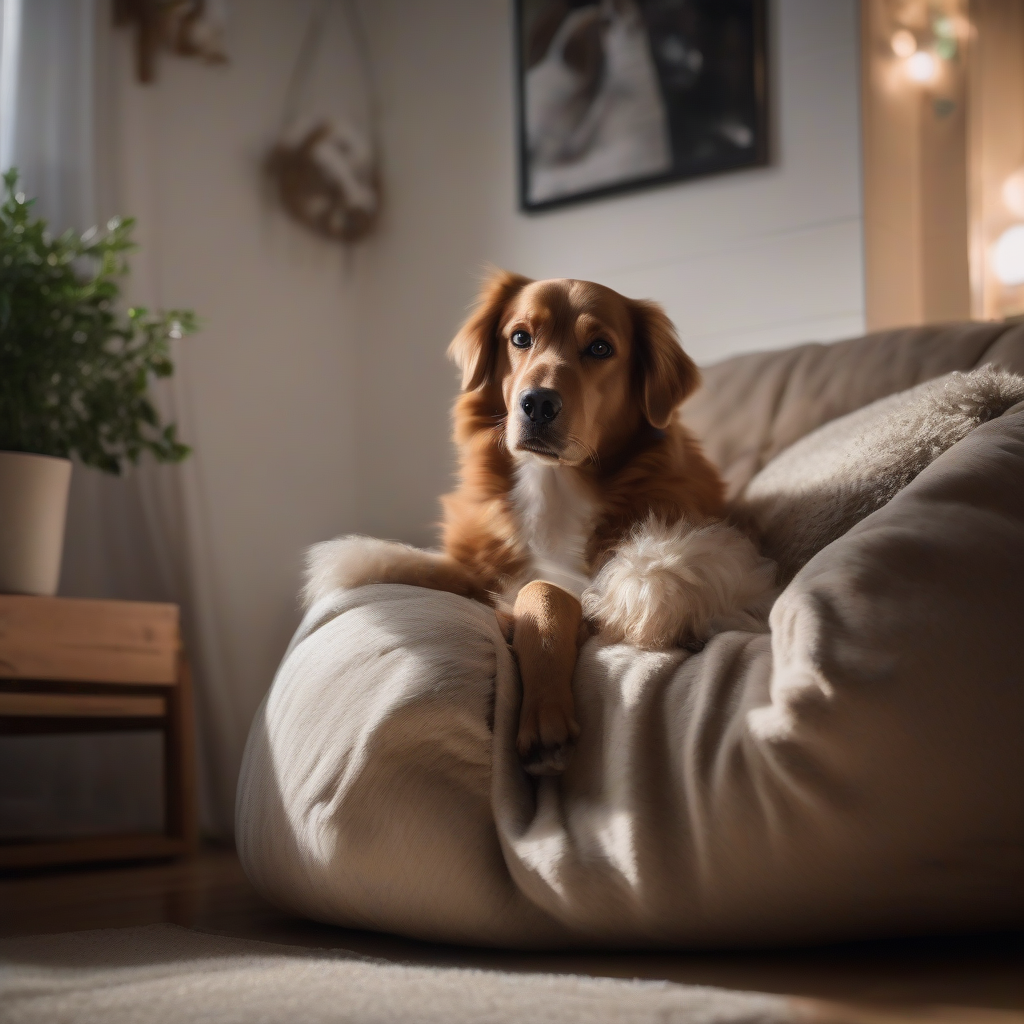
Discover the profound impact of creating special 'dens' in your dog's living space on their mental well-being and overall health. This article reveals the unknown ways to establish a safe and peaceful sanctuary for your dog.


Discover the neurobiological signals of hidden stress your newly adopted cat experiences during adaptation to a new social environment. This article reveals 5 insidious signs of your cat's silent struggle and scientific strategies for peaceful, long-term harmony.

Your dog's anal sacs, located beneath the tail, can be hidden alarm bells often overlooked but profoundly affecting their quality of life. In this article, you will discover the 5 insidious neurobiological effects of anal sac problems on the brain and the lifesaving care secrets you need to know for your furry friend to live a peaceful life.
In this article, you will find comprehensive information on the insidious neurotoxic effects of heavy metal poisoning in aquarium fish, its symptoms, and lifesaving emergency intervention codes. This condition, which can arise from household water sources, improper equipment, or neglect, can severely threaten your fish's quality of life and lifespan.
Beyond being our loyal companions, our dogs are creatures with complex emotional needs. While spacious yards or comfortable beds often come to mind when discussing their living space, they have a deeper, subconscious need: the Secret Den Need. This goes beyond mere shelter; it's a cornerstone of their mental well-being, security, and even cognitive development.
A dog's 'den' is essentially an area they can fully control, where external stimuli are minimized, and they feel safe and comfortable. This space fulfills a dog's fundamental security drive. When faced with stressors like loud noises, sudden movements, unfamiliar people, or other animals, having a place to retreat significantly lowers their anxiety levels. Much like cats enjoy hiding, dogs also require a space that is solely their own, where they feel secure.
This need becomes even more pronounced in rescue dogs or those who have experienced trauma. For these companions who have had to cope with rapid changes and uncertainties, their own 'safe haven' is a critical part of their rehabilitation process. As highlighted in the article Secure Attachment with Your Dog: Scientific Secrets to Boosting Emotional Intelligence and Social Resilience Post-Adoption, building a secure attachment is also supported by the creation of such spaces.
Many people assume that a kennel or a bed is the first thing that comes to mind when thinking about a dog's den. However, this concept can be much more creative and purpose-driven.
Dogs, with their natural instincts, find dark, enclosed, and confined spaces to be safe. Therefore, you can create a natural cave-like feeling by utilizing corners in your living space.
Scent is one of the most important senses through which dogs perceive the world. When creating a den, it's invaluable to create a space that is supported not only visually but also by scent. Inspired by the article Your Cat's Scent Code: Decipher Invisible Markers to Break Stress and Turn Your Home into a Paradise!, we can emphasize the importance of scent for dogs.
A space that is rich with the scent of your dog's favorite belongings (their toys, their blanket) will be a natural attraction and a point of security for them.
Some dog breeds, especially those that are more energetic and curious, may feel safer and more dominant in elevated positions. This is often an inherited instinct from their wild ancestors.
Sudden noises are a major source of stress for dogs. Creating a sound-insulated space where your dog can retreat during situations like storms, fireworks, or loud neighbors is invaluable.
Remember, these special spaces you create in your dog's living environment not only provide physical comfort but also directly impact their mental and emotional health. The article Your Dog's Secret 'Stress Zones': Create a Peaceful Home with the Art of Space Zoning! also addresses a different dimension of this concept, emphasizing the importance of arranging the living space. Understanding and meeting your dog's secret needs will strengthen the bond you share and help them lead a happier, more balanced life.
