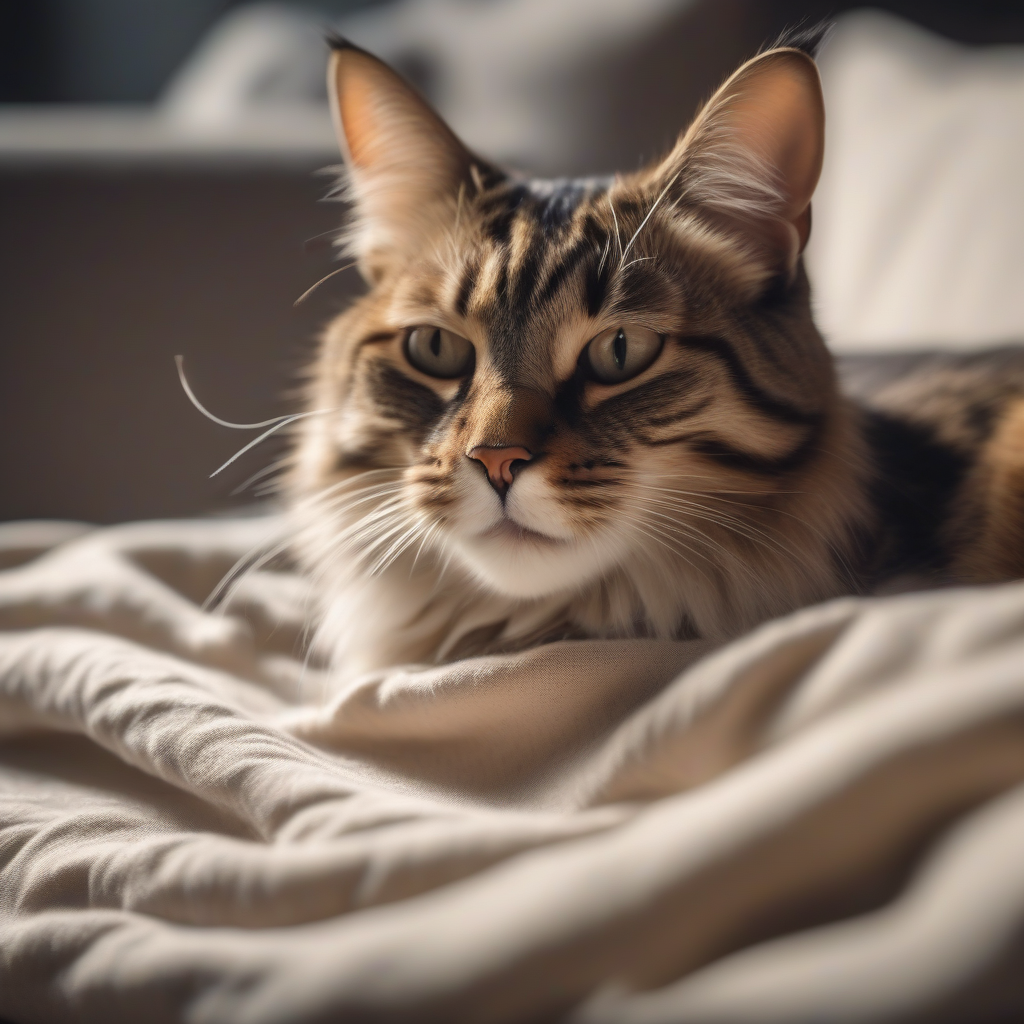
In this article, you will discover the critical role of your cat's scent map in how they perceive the world, how to read the invisible markers in your home, and the scientific secrets to designing living spaces that reduce stress and increase your companion's happiness.


Discover the neurobiological signals of hidden stress your newly adopted cat experiences during adaptation to a new social environment. This article reveals 5 insidious signs of your cat's silent struggle and scientific strategies for peaceful, long-term harmony.

Your dog's anal sacs, located beneath the tail, can be hidden alarm bells often overlooked but profoundly affecting their quality of life. In this article, you will discover the 5 insidious neurobiological effects of anal sac problems on the brain and the lifesaving care secrets you need to know for your furry friend to live a peaceful life.
In this article, you will find comprehensive information on the insidious neurotoxic effects of heavy metal poisoning in aquarium fish, its symptoms, and lifesaving emergency intervention codes. This condition, which can arise from household water sources, improper equipment, or neglect, can severely threaten your fish's quality of life and lifespan.
The world of our beloved pets is filled with sensory experiences vastly different from our own. For cats, this is especially true; they 'see,' 'understand,' and 'experience' the world not just with their eyes, but profoundly with their noses. As cat owners, we often overlook a concept that is vital for our tiny friends' mental health and behavior: Your Cat's Scent Map. Your home is not merely a shelter for your cat, but a dynamic 'scent map' woven with countless invisible odor markers. Deciphering this map is the key to reducing your cat's stress, preventing unwanted behavioral problems, and strengthening the bond between you.
Cats possess a sense of smell far more developed than humans. With approximately 200 million scent receptors (compared to about 5 million in humans), they can detect even the subtlest nuances. But it's not just about the nose. The Vomeronasal Organ (or Jacobson's organ), located on the roof of a cat's mouth, allows them to analyze pheromones and other complex chemical signals by drawing in air samples with the famous 'nose-lifting' gesture known as the Flehmen response. This is a kind of 'sixth sense' for cats, playing a critical role in everything from social interactions to hunting.
Cats mark their world in their own unique ways. These marks provide messages of security and belonging not only to other cats but also to themselves:
By observing your cat's movements within the home and following the marking behaviors described above, you can begin to understand its mental scent map. Which areas does it frequently rub against, where does it sleep, which objects does it scratch? These areas are your cat's 'main nodal points' where it feels safe and belongs. These markers, along with other forms of communication mentioned in the article Your Cat's 'Secret Messages': Misunderstood Body Language Signals and Solutions, form a complete picture.
Once you understand your cat's scent map, you can develop strategies to transform your home into a paradise for them:
Synthetic pheromone diffusers designed for cats (e.g., Feliway) mimic your cat's natural pheromones, spreading a 'safe zone' message in the environment. These can be particularly beneficial during stressful situations like moving to a new home, the arrival of a new pet, or vet visits.
Provide environments that meet your cat's natural scent marking needs. Place comfortable beds, scratching posts, and cardboard boxes in high places, turning them into their 'official' marking spots. This can prevent unwanted behaviors. For instance, secure attachment, as described in the article The Mystery of Your Cat's Bond with You: 4 Different Attachment Styles and the Art of Strengthening Your Relationship, is partly reinforced by the cat feeling safe in its own territory.
If you have multiple cats, distribute food, water, and litter boxes in different areas of the house. Each cat should have easy access to its 'safe' resources and not have to compete with another cat's scent.
Excessive or incorrect cleaning can disrupt your cat's scent map and cause stress. Avoid ammonia-based cleaners, as they can mimic the smell of urine and encourage re-marking. Clean areas where your cat has urinated with enzyme-based products that completely eliminate the odor.
Introduce toys and enrichment items that stimulate your cat's natural curiosity and offer positive scent experiences. For example, use scent balls with hidden treats or scratching materials with different textures and smells. Plants like catnip and silvervine can also positively affect your cat's mood (though not all cats react).
Sudden changes in your cat's scent map or feelings of insecurity can lead to stress and anxiety. These situations can manifest as unwanted behaviors like urine spraying. If you observe such behavioral changes in your cat, be sure to consult your veterinarian to rule out any underlying health issues (e.g., Hidden Feline Joint Pain and Osteoarthritis: Silent Suffering Signs and Home Care Secrets to Enhance Quality of Life (March 2026)). Managing stress is a crucial step in resolving scent marking behaviors.
Your cat's scent map is a fundamental part of how it experiences the world and expresses itself. Understanding this invisible language and designing your home environment based on this knowledge will significantly reduce your cat's stress levels, boost its confidence, and allow you to build a deeper, more meaningful bond. Remember, a happy cat means a peaceful home!
