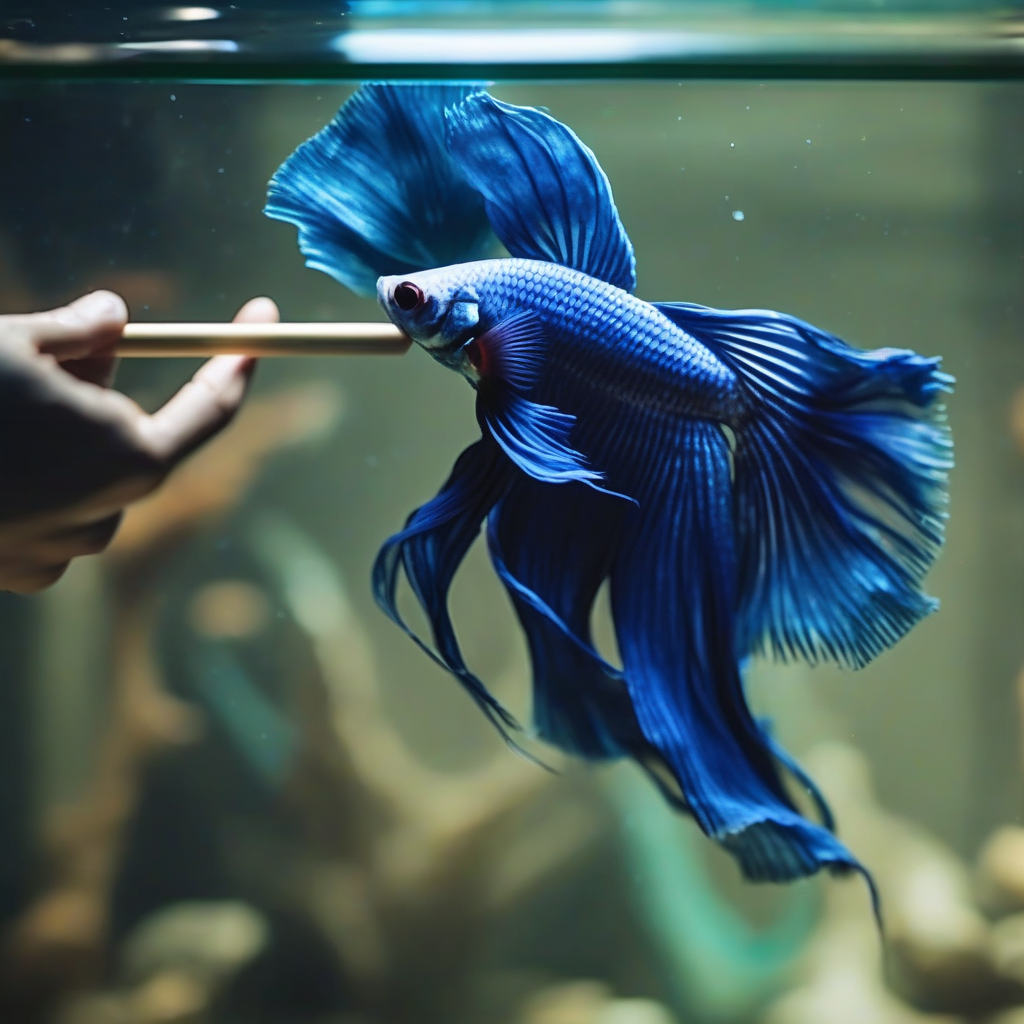
Discover the hidden intelligence potential of your fish in their silent world. Learn the training codes behind fin movements and scientific secrets that unlock the learning capacity of these mysterious creatures.


Discover the neurobiological signals of hidden stress your newly adopted cat experiences during adaptation to a new social environment. This article reveals 5 insidious signs of your cat's silent struggle and scientific strategies for peaceful, long-term harmony.

Your dog's anal sacs, located beneath the tail, can be hidden alarm bells often overlooked but profoundly affecting their quality of life. In this article, you will discover the 5 insidious neurobiological effects of anal sac problems on the brain and the lifesaving care secrets you need to know for your furry friend to live a peaceful life.
In this article, you will find comprehensive information on the insidious neurotoxic effects of heavy metal poisoning in aquarium fish, its symptoms, and lifesaving emergency intervention codes. This condition, which can arise from household water sources, improper equipment, or neglect, can severely threaten your fish's quality of life and lifespan.
Fish are often thought of as silent and passive creatures, but they actually possess incredible learning capabilities and complex behavioral codes. In the aquarium hobby, supporting our fish's mental and behavioral development is just as important as meeting their physical needs. So, how can you train your fish? As their 'invisible masters,' how can you unlock the secret training codes and sparks of intelligence behind their fin movements?
Fish are creatures capable of complex learning processes. Their memory, especially long-term memory, is far more developed than we might assume. For instance, they can recognize dangerous areas, feeding times, and even humans. This learning capacity offers tremendous potential for training with the right approaches.
One of the most fundamental and effective methods of fish training is food-based conditioning. This is similar to Ivan Pavlov's classical conditioning experiments.
This method can help fish establish a positive association with your presence and react less to certain actions (like putting your hand into the aquarium).
Fish communicate in various ways using their fins and bodies. These movements, when observed correctly, offer training opportunities.
Understanding these movements helps you decipher what your fish is feeling and wanting, laying the groundwork for better care and training.
Some aquarium fish species, particularly those with more complex brain structures, can respond to maze or target training. This allows fish to develop their problem-solving skills.
These types of training mentally stimulate your fish and prevent boredom. As we mentioned in our article on The Mysterious Power of Aquarium Lighting, appropriate environmental factors can also enhance a fish's learning capacity.
Fish training is a process that requires patience and consistency. Here are things to consider:
The world of fish holds a deep potential for intelligence and learning waiting to be discovered beneath the surface. Understanding their silent communication and using the right tools for training will enhance the quality of life for both you and your aquarium companions.
