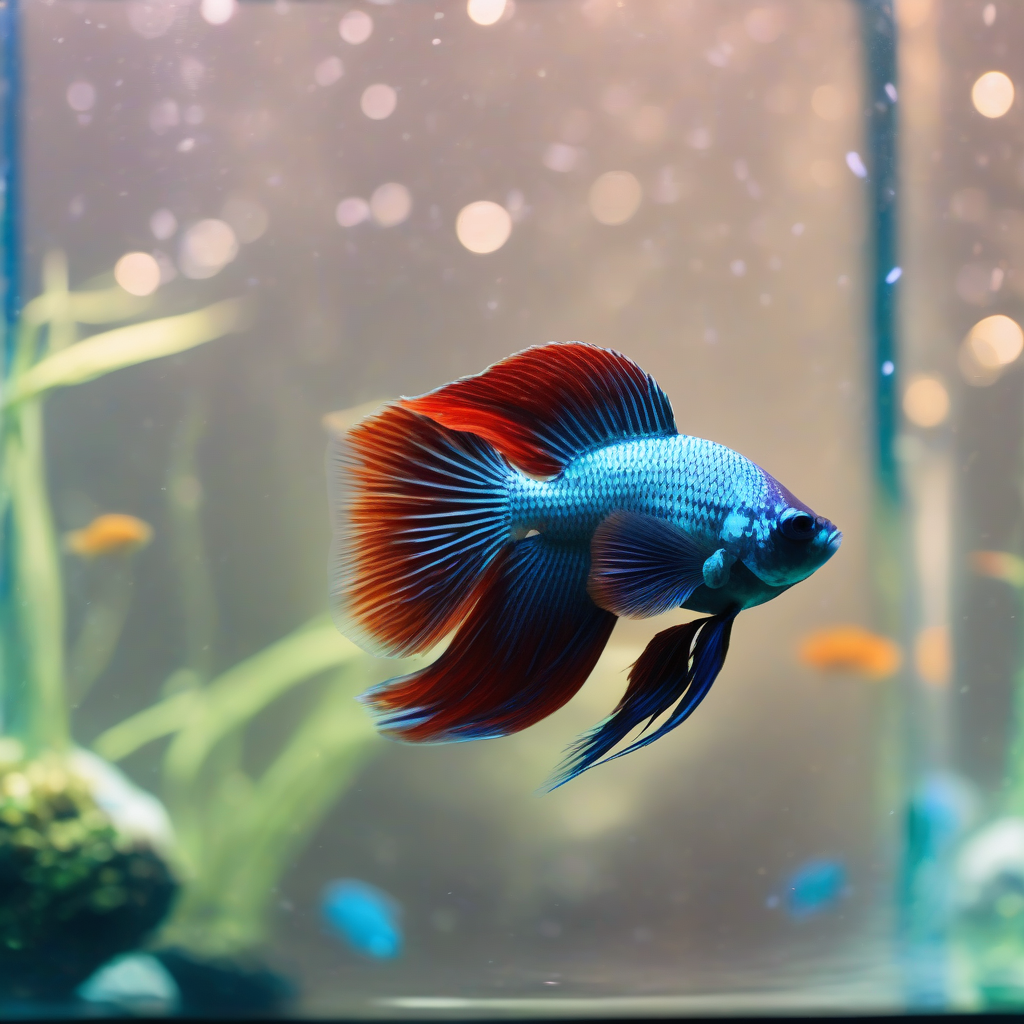
In this article, you will discover the overlooked causes of sudden physical traumas in aquarium fish, lifesaving first aid interventions, and scientific recovery secrets.


Discover the types of burns your dog can suffer, the 5 insidious neurophysiological effects these burns create in the brain and body, and lifesaving emergency intervention strategies in this comprehensive guide. We shed light on the dangers behind forgotten household accidents from a scientific perspective.

Discover the neurobiological signals of hidden stress your newly adopted cat experiences during adaptation to a new social environment. This article reveals 5 insidious signs of your cat's silent struggle and scientific strategies for peaceful, long-term harmony.

Your dog's anal sacs, located beneath the tail, can be hidden alarm bells often overlooked but profoundly affecting their quality of life. In this article, you will discover the 5 insidious neurobiological effects of anal sac problems on the brain and the lifesaving care secrets you need to know for your furry friend to live a peaceful life.
Although aquariums may seem like calm and peaceful corners of our homes, they can harbor unexpected dangers for our underwater friends. A moment of inattention, a change in decor, or hierarchical conflicts among aquarium inhabitants can lead to sudden physical traumas in your fish. Torn fins, scale loss, body wounds, or eye damage, although they may appear superficial, can invite secondary infections and even death if not intervened correctly and quickly. This article provides a comprehensive guide to understanding your fish's "invisible scars," applying lifesaving first aid steps in sudden traumas, and accelerating the recovery process with scientific approaches.
'Sudden trauma' in your fish refers to physical damage caused by a blow, collision, tear, or abrasion. These situations usually occur suddenly and can lead to serious consequences if ignored. Physical injuries weaken the fish's natural defense mechanism, the mucus layer, and suppress the immune system, leaving them vulnerable to diseases.
Many potential sources of trauma exist for fish in an aquarium environment:
Physical trauma leads to severe stress and physiological shock in fish. This condition weakens the fish's immune system, reducing its resistance to pathogens. Injured tissues become a perfect entry point for bacteria, fungi, and parasites. Therefore, the primary goal of first aid is to bring the fish out of shock and minimize the risk of secondary infection.
When trauma is detected, quick and correct intervention significantly increases your fish's chances of recovery. Without panicking, follow the steps below.
Separating the injured fish from the main aquarium allows the fish to focus on its recovery and prevents additional stress and attacks from other tank mates. Prepare a small quarantine tank (hospital tank). Ensure that water parameters in this tank are stable and optimal. Use a soft, non-sharp net or a plastic container to catch the fish. Be quick and gentle, transferring the fish to its new tank with as little time out of water as possible.
After transferring the fish to the quarantine tank, carefully observe its injuries:
Water quality is critically important during the healing process. Ensure that ammonia, nitrite, and nitrate levels in the quarantine tank are near zero. Maintain high water quality by performing regular, small water changes. Keep the water temperature stable within the optimal range for your fish species. The information in the article Your Fish's 'Invisible Chemical Stress': Insidious Toxin Sources in the Aquarium and Lifesaving Secrets of Biological Balance! will be useful for understanding the negative effects of chemical stress on recovery. Provide hiding spots where the fish can feel secure and dim the tank lights to reduce stress.
Under the right conditions, fish have an amazing ability to heal. However, there are scientifically based steps you can take to support and accelerate this process.
Fish in recovery have increased energy and nutrient needs. Feed your fish high-quality, easily digestible, and vitamin-rich foods. Vitamins that support the immune system, especially Vitamin C, are important for tissue repair. Live or frozen foods (bloodworms, artemia) can stimulate appetite and provide additional nutrients. To understand the connection between digestive health and the immune system, you can refer to the article Your Fish's 'Gut Orchestra': 5 Scientific Nutritional Secrets to Fuel Microbiome Balance and an Invisible Shield Against Diseases!.
Remove sharp-edged decorations from the quarantine tank. Provide hiding spots (PVC pipes, safe caves) to help the fish feel secure. Dim or completely turn off the aquarium lighting to reduce stress. Avoid high-flow filters or reduce their flow, as this can also create additional stress for an injured fish.
Although home first aid interventions are important, some situations require the intervention of a professional veterinarian. Consult your veterinarian without delay if you encounter the following symptoms:
Dealing with sudden traumas is a situation every fish owner may encounter in the aquarium hobby. Quick and informed interventions based on scientific knowledge will increase your fish's chances of survival and full recovery. Remember, prevention is the best treatment; always strive to keep your aquarium safe and stress-free for your fish. Do not hesitate to consult an expert if in doubt.
