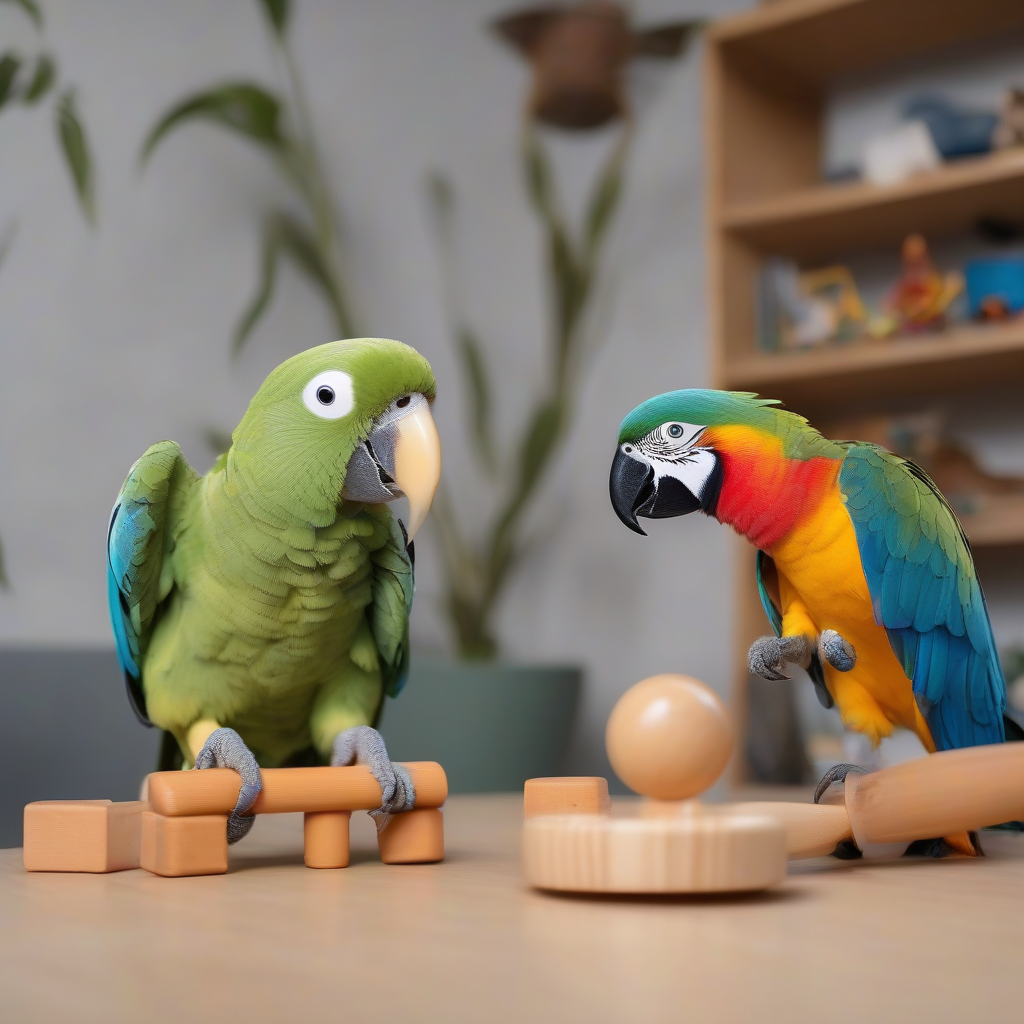
In this article, you will discover how to support your bird's free will and empower its decision-making mechanisms to transform unwanted behaviors with scientific training strategies.


Discover the neurobiological signals of hidden stress your newly adopted cat experiences during adaptation to a new social environment. This article reveals 5 insidious signs of your cat's silent struggle and scientific strategies for peaceful, long-term harmony.

Your dog's anal sacs, located beneath the tail, can be hidden alarm bells often overlooked but profoundly affecting their quality of life. In this article, you will discover the 5 insidious neurobiological effects of anal sac problems on the brain and the lifesaving care secrets you need to know for your furry friend to live a peaceful life.
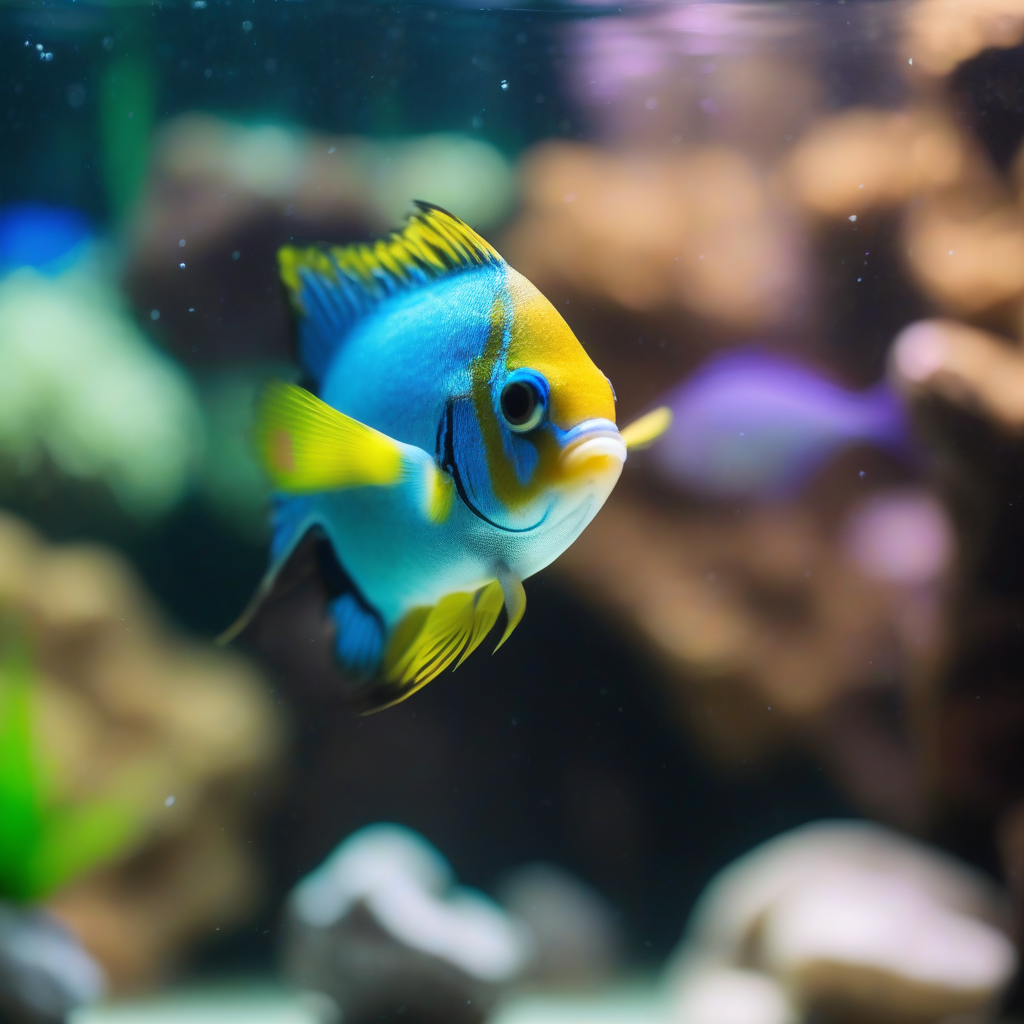
In this article, you will find comprehensive information on the insidious neurotoxic effects of heavy metal poisoning in aquarium fish, its symptoms, and lifesaving emergency intervention codes. This condition, which can arise from household water sources, improper equipment, or neglect, can severely threaten your fish's quality of life and lifespan.
Our pet birds are not merely passive creatures that mimic repetitive movements. Scientific research shows they possess deep cognitive abilities, problem-solving skills, and a surprising degree of "free will." However, when these complex minds are misunderstood or insufficiently stimulated, factors like stress and lack of control can lead to unwanted behaviors. This article delves into advanced training strategies from a scientific perspective, aiming to empower your bird's decision-making mechanisms, ensuring a happier, more balanced life, and permanently resolving common behavioral issues.
The mental world of birds reveals that they are not just creatures acting on instinctual responses, but actively perceive their environment, process information, and can even plan for the future. While the term "free will" in a human context leads to philosophical debates, in animal training, this concept refers to an animal's ability to choose, defer, or make preferences between alternatives. Birds, especially parrots, exhibit a high degree of cognitive flexibility. This flexibility enhances their ability to adapt to new situations and problems, but can also become a significant source of stress when they feel a lack of control in their environment.
Bird brains, relative to their size, possess incredibly dense and complex neural networks. Frontal lobe-like structures are responsible for "executive functions" such as problem-solving, decision-making, and planning. For instance, the complex tool-use and problem-solving skills of crows, or the language-learning abilities of parrots, are clear evidence of this cognitive capacity. This neurological infrastructure grants birds the capacity to make autonomous decisions within their environment. Providing them with opportunities to exercise this capacity is vital for their mental well-being.
A bird's ability to make choices over its own living space directly affects its welfare. Being able to choose which toy to play with, when to feed (within certain limits), where to perch, or which interaction to prefer, lowers stress levels and boosts self-confidence. Research indicates that animals capable of making their own choices experience less stress and exhibit more balanced behaviors compared to those in situations they cannot control. This is a particularly critical element for birds living in cage environments.
Birds isolated in cages or constantly restricted have very little control over their environment. This can lead to chronic stress and the emergence of unwanted behaviors such as feather plucking, excessive screaming, biting, aggression, or apathy. These behaviors are often a form of "communication" effort or a mechanism to release accumulated stress. Understanding your bird's secret communication protocols is the first step to addressing the root of the problem.
Birds whose desires or needs are consistently ignored, and whose actions have no effect on outcomes, can eventually develop "learned helplessness." In this state, birds stop reacting to negative situations because they have learned that any effort is futile. This syndrome can lead to deep apathy, depression, and physical health problems. This condition can often be seen in unexplained behaviors after adoption; your bird's silent language outside the cage might carry signals of this helplessness.
Environmental factors such as lighting, noise levels, cage location, insufficient enrichment, or inconsistent owner interactions can cause chronic stress in birds. These stressors increase the bird's cognitive load and weaken its decision-making abilities. Training that supports free will aims to reduce these stressors and enable the bird to have more control over its own life.
Modern bird training not only reinforces desired behaviors but also nurtures the bird's intrinsic motivation and decision-making ability. This approach improves your bird's overall mental health while making training processes more effective and enjoyable. Apply these strategies to unlock your bird's hidden intelligence doors.
Every bird has different favorite rewards. Some adore a specific food, others are motivated by tickles, and some by playing with a particular toy. Preference-based reinforcement allows you to determine which reward is most motivating at that moment by offering your bird choices. This creates a communication line where your bird can say "yes" or "no," giving them a sense of control.
During training, offering your bird choices gives them the opportunity to exercise their free will. For example, presenting two different toys and allowing them to choose which one to play with, or enabling them to select one of two different perches. These simple actions strengthen your bird's sense of control and help prevent learned helplessness. This right to choose is also crucial in more complex situations, such as scientific desensitization against fear and trust training secrets.
Rather than forcing birds to learn, allowing them to progress at their own pace yields more lasting and positive results. Keep training sessions short, fun, and appropriate for your bird's energy level. Read your bird's signs of boredom or stress and take a break or end the session. This increases your bird's voluntary participation in the training process and prevents negative associations.
Offering cognitive challenges, such as puzzle toys or foraging devices, develops your bird's problem-solving skills and gives them a sense of accomplishment. Such activities encourage your bird to make decisions independently and influence its environment. This boosts their self-confidence and strengthens their ability to cope with new situations.
Free will-based training focuses on understanding the underlying causes of unwanted behaviors and offering your bird healthier alternatives, rather than simply suppressing them.
Carefully note the times your bird exhibits an unwanted behavior, what happened before and after. When, where, and under what conditions does this behavior usually occur? Is it triggered by a sound, an object, or a specific interaction? Identifying triggers is critical for developing intervention strategies. For example, excessive screaming can stem from seeking attention, fear, or boredom.
Instead of directly punishing an unwanted behavior, teach your bird acceptable, rewarding alternatives it can do instead. For example, reward your bird when it calms down or makes a certain tone of voice instead of screaming. Shape the desired behavior step-by-step with positive reinforcement. This helps your bird learn which behaviors earn it what it wants.
Behavioral changes take time. Be patient, train consistently, and carefully observe your bird's reactions. Appreciate and celebrate small advancements. The art of building trust with your bird is indispensable in this process. Remember, the goal is not to create an obedient bird, but to nurture a balanced and happy life companion capable of making its own decisions.
In conclusion, recognizing and integrating our birds' "free will" into our training processes not only enhances their trainability but also profoundly enriches their mental and emotional well-being. This approach offers a scientific and ethical path beyond merely owning a pet bird—it's about truly becoming a life companion.
