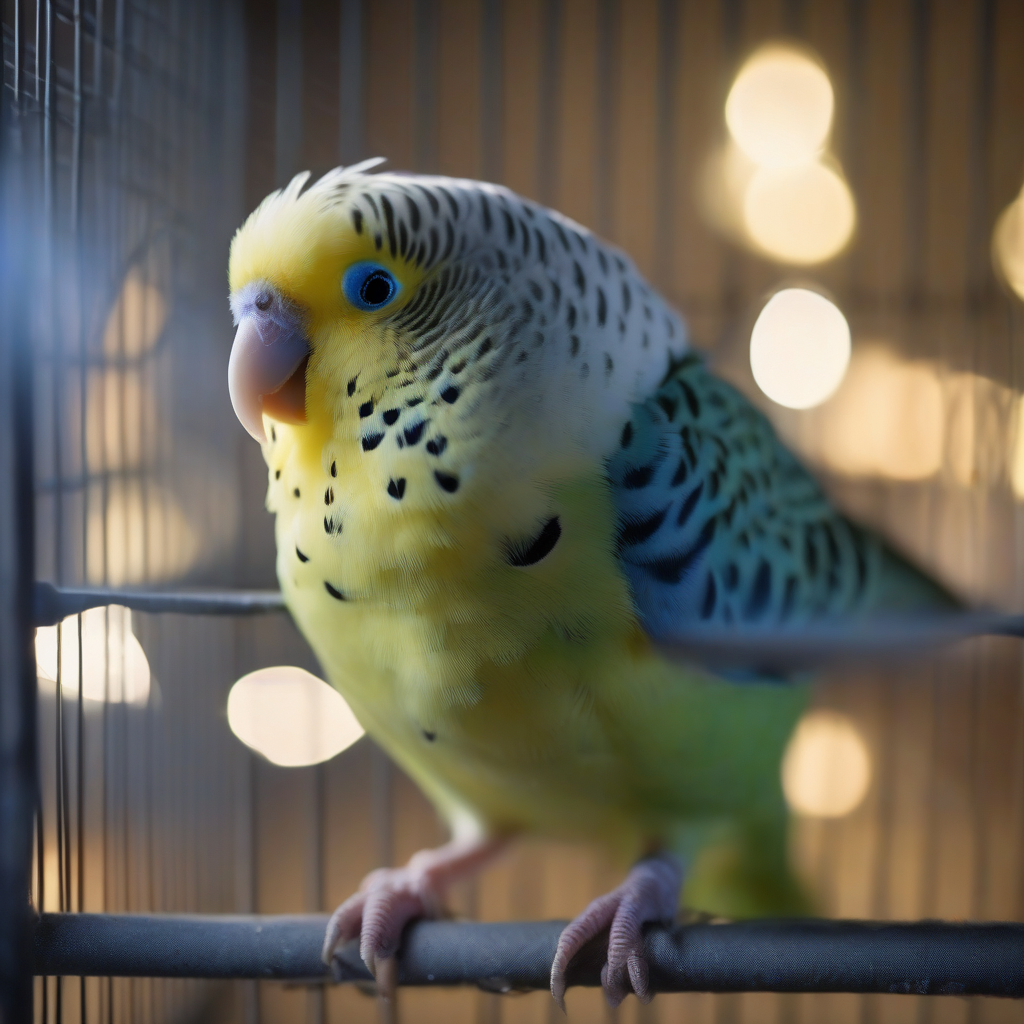
In this article, you will find comprehensive information on the scientific reasons behind your bird's night frights, its psychological and behavioral impacts, and science-based strategies for ensuring a peaceful sleep environment.


Discover the neurobiological signals of hidden stress your newly adopted cat experiences during adaptation to a new social environment. This article reveals 5 insidious signs of your cat's silent struggle and scientific strategies for peaceful, long-term harmony.

Your dog's anal sacs, located beneath the tail, can be hidden alarm bells often overlooked but profoundly affecting their quality of life. In this article, you will discover the 5 insidious neurobiological effects of anal sac problems on the brain and the lifesaving care secrets you need to know for your furry friend to live a peaceful life.

In this article, you will find comprehensive information on the insidious neurotoxic effects of heavy metal poisoning in aquarium fish, its symptoms, and lifesaving emergency intervention codes. This condition, which can arise from household water sources, improper equipment, or neglect, can severely threaten your fish's quality of life and lifespan.
The quality of life for our pet birds is as closely related to their activity during the day as it is to the quality of sleep they get at night. However, many bird owners encounter 'night frights' or 'night terrors,' an phenomenon where their feathered friends suddenly panic and flap frantically in their cages at night, sometimes even injuring themselves. This situation can be quite stressful and worrying, not only for your bird but for you as well. So, what are the scientific reasons behind these sudden panic attacks, and what strategies can we implement to provide our birds with a peaceful sleep environment?
Night frights in birds are typically triggered by a combination of their natural instincts and environmental factors. As prey animals, they are inherently hyper-vigilant to potential threats in the dark.
Birds possess far more developed senses of sight and hearing than humans. Especially in the dark, even the slightest shadow or sound can be perceived as an enormous threat. A sudden car headlight casting a shadow into the cage, a distant cat's meow, or a small object falling within the house can trigger your bird's prey instincts, leading to panic. This activates the amygdala in the bird's brain, prompting a fear response, causing the bird to instinctively try to escape. These 'invisible' dangers are significant factors that elevate your bird's stress levels. Our article, Your Bird's 'Secret Communication Protocols': Deciphering Meanings Beyond Sound and Reducing Stress in Seconds, can help you better understand the complex nature of avian sensory perception.
Birds have circadian rhythms tightly linked to the daily light-dark cycle. Artificial lighting, irregular sleep schedules, or prolonged exposure to light can disrupt your bird's biological clock, negatively impacting sleep quality. This can lead to the bird becoming more tense and prone to anxiety, increasing the risk of night frights. A consistent sleep routine is crucial for both your bird's physical and psychological well-being.
The cage's location, its internal setup, and environmental stimuli can all trigger night frights. A cage placed in a very busy area, exposure to sudden noises, silhouettes, vibrations, or unsecured objects can make your bird feel vulnerable. Furthermore, wind hitting a window, movement from another pet in the house, or even temperature fluctuations in the room can become a stress factor. For more information on the importance of the cage's microclimate and safe zones, you can refer to our article, Your Bird's Invisible Stress Factors: Cage Microclimate and Scientific Secrets of Safe Zones.
There are several science-based steps you can take to minimize your bird's night frights and ensure a peaceful sleep experience:
Make the area where your bird sleeps as dark as possible. This can be achieved by using a special cage cover, but ensure the cover does not impede air circulation and that the bird is not in complete darkness (some birds may panic more in total darkness; a dim night light can be beneficial). Ensure the perch is sturdy and comfortable, preventing your bird from falling. Also, make sure that toys or accessories inside the cage do not have sharp edges or make noise if they fall.
Prepare your bird for sleep at the same time every night and wake it up at the same time in the morning. This consistent routine regulates your bird's biological clock and reduces the likelihood of night panics. You can implement a calming pre-sleep ritual (e.g., speaking softly or humming gently).
Keep the cage away from noisy areas. Use thick curtains or window insulation to minimize sudden outside noises (traffic, neighbors). To calm ambient sounds before sleep, playing relaxing nature sounds or soft music specifically designed for birds can be beneficial. However, ensure that cage enrichments do not pose a danger at night.
If your bird experiences a night fright, immediate intervention is crucial. Instead of turning on a very bright light suddenly, provide soft light with a dim night light or flashlight. Speak to your bird in a calm tone to let it know you are there and help it calm down. Never shake the cage or yell at your bird. The article, Your Bird's 'Hidden Crisis Signals': Recognize Them in Seconds for Lifesaving Emergency Interventions!, provides additional information on how to act during such emergencies.
In some cases, night frights may stem from underlying behavioral or medical issues.
Desensitization techniques can be used to gradually reduce your bird's fear of darkness or specific sounds. This involves gradually exposing your bird to the feared stimulus and helping it overcome its fear through positive experiences. For example, initially keeping it in a dimly lit environment for short periods and slowly increasing the duration of darkness. For more detailed information, you can read Your Bird's Hidden Resistance: Scientific Secrets of Desensitization and Trust Training Against Fear!.
If night frights persist despite the strategies above, there might be an underlying health issue. Pain, vision impairments, nutritional deficiencies, or neurological conditions can make your bird more anxious and prone to night panics. Your veterinarian can rule out these possibilities with a comprehensive examination or determine an appropriate treatment plan.
Your bird's 'night frights' are a serious behavioral issue that should not be ignored. With science-based approaches, you can largely control this situation by optimizing your bird's sleep environment and minimizing stress factors. Remember that peaceful sleep is essential for your bird's overall well-being, happiness, and long-term health. Be observant, be patient, and do not hesitate to seek support from your veterinarian when needed. It is in your hands to ensure your feathered friend sleeps safely and calmly every night!
