
In this article, you will find comprehensive information about 'Learned Helplessness Syndrome' in birds, its symptoms, causes, and science-based strategies to overcome this profound psychological state. Enhance your pet bird's quality of life!


Discover the neurobiological signals of hidden stress your newly adopted cat experiences during adaptation to a new social environment. This article reveals 5 insidious signs of your cat's silent struggle and scientific strategies for peaceful, long-term harmony.

Your dog's anal sacs, located beneath the tail, can be hidden alarm bells often overlooked but profoundly affecting their quality of life. In this article, you will discover the 5 insidious neurobiological effects of anal sac problems on the brain and the lifesaving care secrets you need to know for your furry friend to live a peaceful life.
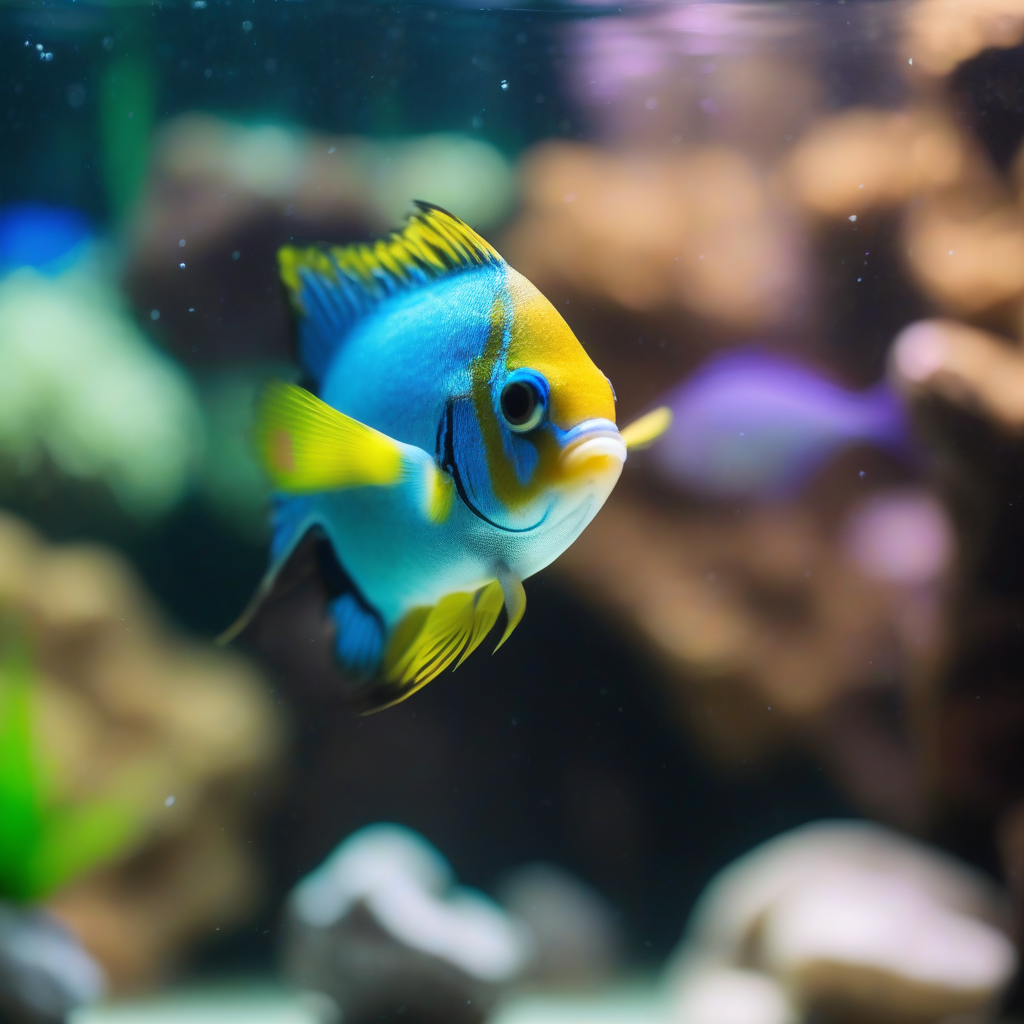
In this article, you will find comprehensive information on the insidious neurotoxic effects of heavy metal poisoning in aquarium fish, its symptoms, and lifesaving emergency intervention codes. This condition, which can arise from household water sources, improper equipment, or neglect, can severely threaten your fish's quality of life and lifespan.
Pet birds are intelligent and sensitive creatures. However, they can sometimes experience deep psychological issues that their owners may not even be aware of. One such issue, often progressing silently and profoundly, is "Learned Helplessness Syndrome." This syndrome is a devastating psychological state that arises when a bird believes it has no control over events in its environment. As of March 2026, advances in veterinary science offer more holistic approaches to such behavioral problems. In this article, we will delve into what learned helplessness is, its symptoms, causes, and lifesaving scientific strategies to help your bird recover from this condition.
Learned helplessness is a condition where an individual, after repeated unsuccessful attempts to escape or change negative experiences, eventually stops trying, even when opportunities to escape or change the situation become available. In their natural habitat, birds have active control over many activities, such as escaping predators, finding food, and building nests. In a cage environment or captivity, this perception of control can be compromised by various factors:
This condition profoundly impacts your bird's self-confidence, desire to explore, and overall quality of life.
Diagnosing learned helplessness can be challenging because symptoms are often confused with depression or general stress. However, some specific clues exist:
Your bird shows indifference towards toys, food, or interactions it once enjoyed. It moves very little within the cage or remains in the same position for extended periods.
A distinct lack of reaction to external stimuli (sounds, sights, human interaction). For example, not moving even when offered a favorite treat.
Avoiding people or other birds, shying away from interaction. A bird that was previously social suddenly becoming withdrawn.
Repetitive stereotypic behaviors (e.g., constantly pacing up and down cage bars, swaying back and forth) or feather plucking as a coping mechanism for stress Your Bird's 'Secret Sound Symphony': The Meanings of Beak Sounds and the Art of Understanding Stress-Related Feather Plucking Behavior.
A decrease in or complete cessation of your bird's normal vocalizations. Sometimes, it may also emit meaningless, monotonous sounds.
Reversing learned helplessness requires patience, understanding, and a systematic approach. The goal is to help your bird feel that it has control over its environment again.
Offer your bird choices. This could be choosing between different toys, deciding which food to eat first (among harmless options), or determining where it wants to perch within the cage. Start with simple choices to gradually increase your bird's self-confidence. This aligns with approaches discussed in Your Bird's 'Free Will' Training: Empowering Decision-Making to Reverse Unwanted Behaviors!.
Reward even the smallest positive behaviors. Such as your bird approaching a toy, making a sound, or moving slightly. Organize short, frequent training sessions and start with easy tasks where your bird can succeed every time. The feeling of success is key to breaking the feeling of helplessness. Your Bird's Voluntary Examination Training: 5 Scientific Secrets to Breaking Stress and Resistance! also emphasizes the importance of breaking resistance using such positive reinforcement techniques.
Make the cage environment stimulating both physically and mentally. Offer new toys, different perching options, interactive foraging puzzles, and safe chewing materials. Regularly rotate or rearrange toys to keep their curiosity alive. However, introduce changes slowly and predictably to avoid causing more stress.
Re-establishing the bond with your bird is vital. Be calm and patient. Avoid forceful interactions. Approach your bird's space slowly and wait for it to come to you. Speak in a soft tone and try to read its body language Your Bird's 'Secret Communication Protocols': Deciphering Meanings Beyond Sound and Reducing Stress in Seconds. Building trust is fundamental to overcoming fear and breaking resistance. Our article Your Bird's Hidden Resistance: Scientific Desensitization Against Fear and Trust Training Secrets! can assist you in this regard.
If symptoms are severe or persist, you should consult an avian veterinarian. There might be an underlying physical health issue contributing to learned helplessness, or professional behavioral therapy might be necessary. The veterinarian will assess your bird's overall health and recommend an appropriate treatment plan. Sometimes, behavioral medications may also be part of the process.
The best way to prevent learned helplessness is to always provide your bird with an environment that gives it a sense of control and predictability. A consistent routine, adequate enrichment, positive reinforcement-based training, and respecting your bird's boundaries will help prevent the development of this syndrome. Reading your bird's 'Invisible Emotional Map' to detect potential stressors early and strengthen its mental health is crucial Your Bird's 'Invisible Emotional Map': Deciphering SOS Signals Outside the Cage and Strengthening Mental Health.
Learned helplessness is a devastating condition that causes your bird to suffer silently. However, with the right approaches and patience, you can help your bird regain its joy for life, explore its environment, and form a deep bond with you. Remember, even small steps can lead to significant changes. Your bird's psychological well-being is as important as its physical health.
