In this article, you will find comprehensive information on the complex structure of your fish's vital gills, the invisible dangers threatening them, and scientific care strategies to ensure they live a long, healthy life.


In this article, you will discover the 5 insidious neurobiological effects of the Encephalitozoon Cuniculi parasite, which is often overlooked in rabbits but severely affects the brain, along with lifesaving early diagnosis methods.

In this article, we will deeply explore the insidious neurobiological effects of gut microbiome imbalance (dysbiosis) on your rabbit's brain health and provide scientific-based solutions to maintain mental vitality.

In this article, you can find comprehensive information on how pancreatitis in dogs not only affects the digestive system but also insidiously impacts the brain, its neuroinflammatory mechanisms, and lifesaving emergency intervention strategies.
In the silent world of your aquarium inhabitants, the most fundamental function of life, breathing, passes through a vital yet often overlooked organ: the gills. Fish gills are like our lungs; they are complex and delicate structures that enable fish to extract oxygen from water and expel carbon dioxide, sustaining their lives. However, these invisible heroes can be overwhelmed by many 'invisible burdens' such as environmental factors, feeding errors, and stress. This article will help you uncover the scientific secrets of your fish's gill health, recognize early warning signs, and develop proactive care strategies for a lifelong disease-free existence.
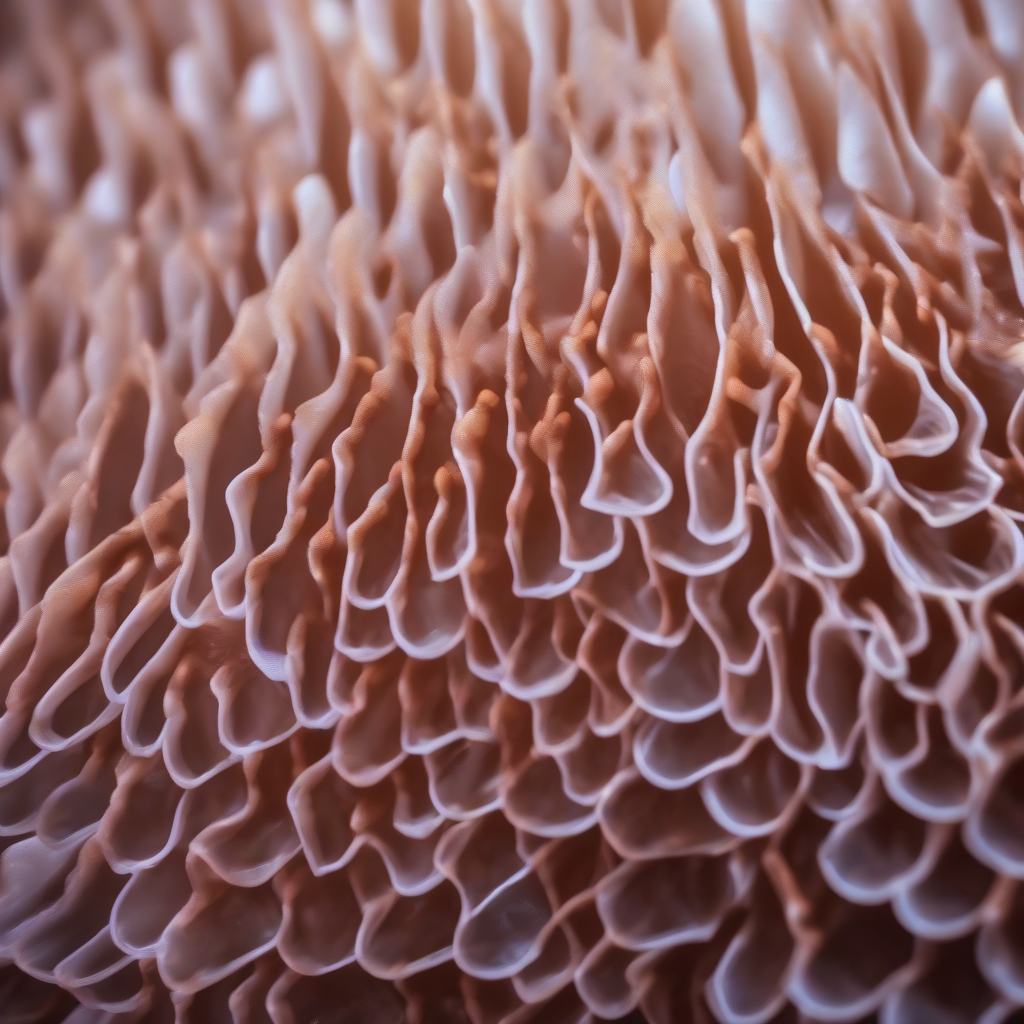
Fish gills are feathery or lamellar structures located just behind the fins, protected by special gill covers. Numerous blood vessels are found on the surface of these lamellae, where oxygen exchange occurs through the principles of osmosis and diffusion when they come into contact with water. Not only do they facilitate oxygen exchange, but they also perform critical osmoregulation (salt and water balance) and waste removal functions that stabilize the fish's body chemistry. This complex system is highly sensitive to external factors, and even a slight imbalance can prevent the gills from performing their function, threatening the fish's life.
Many environmental and biological factors affect your fish's gills. Most of these are hidden within the invisible dynamics of the aquarium and require careful observation:
The quality of aquarium water forms the foundation of gill health. Substances like ammonia, nitrite, and chlorine can directly damage gill tissues, causing inflammation and even cell death. Particularly, sudden increases in ammonia and nitrite levels dramatically reduce the fish's respiratory capacity. For more information on this, you can refer to our article Your Fish's 'Invisible Chemical Stress': Insidious Toxin Sources in the Aquarium and Lifesaving Secrets of Biological Balance!.
Inadequate aeration, overcrowded aquariums, or high temperatures can decrease the amount of dissolved oxygen in the water. When fish experience oxygen deficiency, their gills work faster, leading to long-term stress and damage.
Gills can be targets for various parasites (e.g., gill flukes) and bacterial/fungal infections. These pathogens attach to gill lamellae or penetrate the tissue, causing irritation, inflammation, and increased mucus production. Early diagnosis and intervention are vital.
Balanced and species-appropriate nutrition is crucial for the overall health and immune system of fish. Vitamin and mineral deficiencies can weaken the resistance of gill tissues, making them more vulnerable to diseases. You can find detailed information on this topic in our articles Your Fish's 'Invisible Energy Flow': Hidden Macronutrient Secrets in Feed and Species-Specific Optimal Metabolic Balance! and Your Fish's 'Gut Orchestra': 5 Scientific Nutritional Secrets to Fuel Microbiome Balance and an Invisible Shield Against Diseases!.
Situations such as transportation, adapting to a new aquarium (see: Your Fish's 'New Home Stress': Hidden Scientific Codes of Aquarium Adaptation and Overlooked Secrets for a Peaceful Start!), incompatibility with tank mates, or sudden environmental changes can cause severe stress in fish. Chronic stress weakens the immune system, paving the way for gill infections.
When there's a problem with your fish's gills, they typically show one or more of the following symptoms. Early detection of these signs is key to successful intervention:
Here are science-based strategies you can implement to protect your fish's gill health:
If you observe symptoms of gill disease in your fish and cannot find a solution on your own, it is crucial to consult an aquatic veterinarian or an experienced aquarium expert without delay. Early and accurate diagnosis can save your fish's life. Remember, seeking professional help is vital, especially in emergencies like Hidden Crisis Signals in the Aquarium: Detect Your Fish's Sudden Poisoning in 5 Minutes!.
Your fish's gills are truly a barometer of your aquarium's health. By understanding their invisible respiratory burden and implementing scientific care strategies, you can ensure your underwater companions lead long, healthy, and disease-free lives. Your proactive approach will make a significant difference in their silent world.
