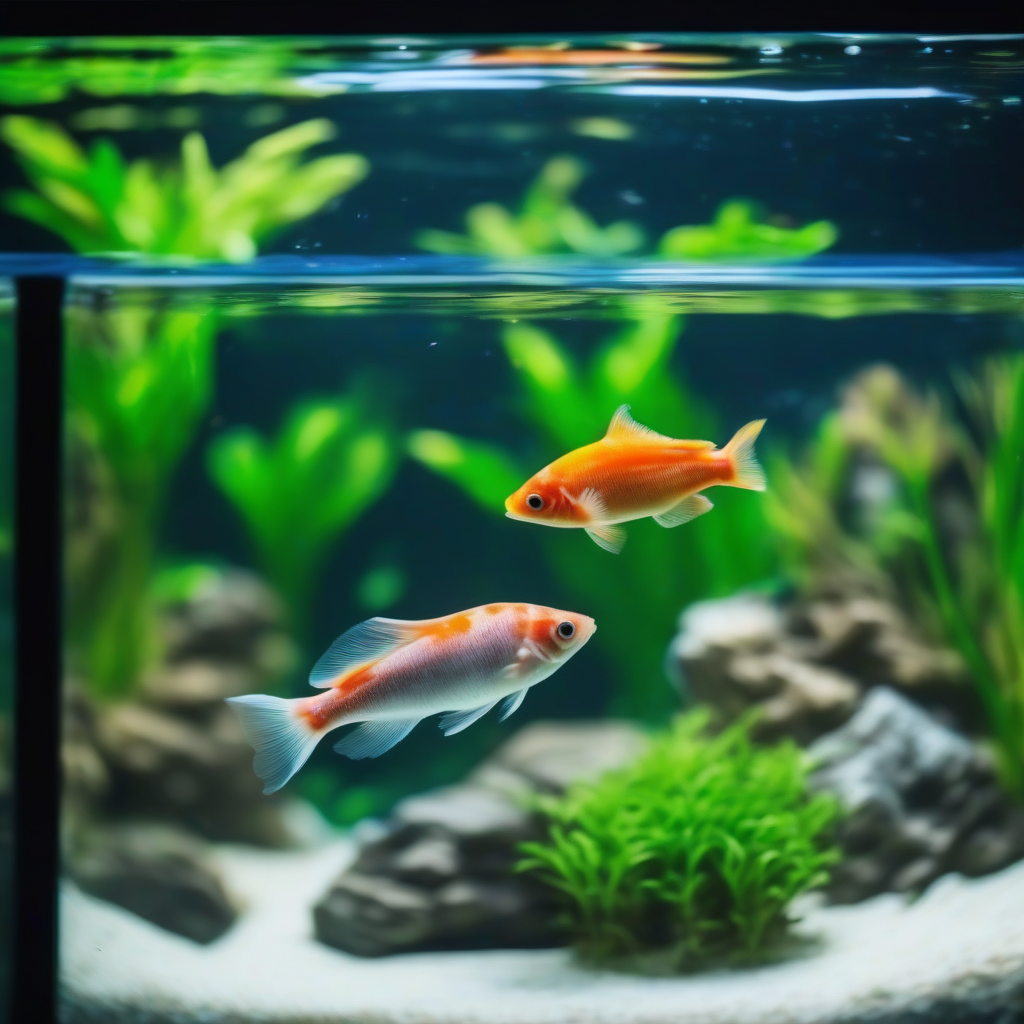
In this article, you will discover the invisible chemical stress factors affecting your fish, insidious toxins ranging from tap water to household aerosols, and scientific secrets on how to strengthen your aquarium's biological shield. Learn how to take precautions against these hidden dangers threatening life in your aquarium and what care strategies you should implement for your fish to live a long, healthy life.


In this article, you will discover the 5 insidious neurobiological effects of the Encephalitozoon Cuniculi parasite, which is often overlooked in rabbits but severely affects the brain, along with lifesaving early diagnosis methods.

In this article, we will deeply explore the insidious neurobiological effects of gut microbiome imbalance (dysbiosis) on your rabbit's brain health and provide scientific-based solutions to maintain mental vitality.

In this article, you can find comprehensive information on how pancreatitis in dogs not only affects the digestive system but also insidiously impacts the brain, its neuroinflammatory mechanisms, and lifesaving emergency intervention strategies.
Aquarium fish care often focuses on fundamental elements such as water parameters, appropriate nutrition, and aesthetic decoration. However, there are 'invisible chemical stress' sources that profoundly affect the health of our aquatic friends and are often overlooked. These insidious toxins can weaken your fish's immune system, stunt growth, lead to behavioral problems, and even cause sudden deaths. As a veterinary content strategist, with the latest scientific knowledge as of March 2026, we will shed light on these invisible dangers and provide lifesaving strategies to maintain your aquarium's biological balance.
The aquarium environment where your fish live is a much more complex area of chemical interaction than you might imagine. Here are the most common but least recognized sources of chemical stress:
Our tap water, while made safe for human consumption, is a potential source of danger for fish. Chlorine and chloramine, used for water disinfection, can severely damage fish gills, hindering oxygen uptake. Furthermore, heavy metals like lead and copper, leaching from old pipes, can accumulate in the water and become toxic to fish. These substances increase fish stress levels and can lead to organ failure in the long term. Therefore, it is vital to properly treat tap water before adding it to the aquarium. Water conditioners are the first line of defense against these threats.
The quality of aquarium water is not solely about the water itself; environmental factors also play a significant role. Chemicals such as air fresheners, cleaning products, insecticides, paint fumes, or cigarette smoke used indoors can mix with the air and then into the aquarium water, creating a toxic effect. These aerosols can alter the surface tension of the water, making gas exchange difficult, or directly adhere to the fish's gills, causing respiratory distress. Long-term exposure leads to chronic respiratory problems and immune system collapse in fish.
Sometimes, objects within the aquarium can harbor invisible dangers. Low-quality plastic decorations, ornaments, or even some equipment parts (heater casings, filter components) can contain phthalates, bisphenol A (BPA), or other chemicals that may leach into the water over time. These chemicals, especially under heat or light exposure, can seep into the water, disrupting fish hormonal balance, causing reproductive issues, and immune system dysfunctions. Opting for materials specifically manufactured for aquariums and certified safe for fish will minimize this risk.
Over- or improperly used fish medications can accumulate in the aquatic environment, reaching toxic levels. Similarly, rotting food residues due to overfeeding disrupt the water's chemical balance, increasing ammonia, nitrite, and nitrate levels. This can directly lead to chemical poisoning, as well as increase stress levels, reducing fish resistance to diseases. To understand these risks, it's important to know that even your fish's invisible feed lifespan exists, and its nutritional value diminishes over time.
Protecting your fish against these invisible chemical threats is possible with conscious and regular care routines. Here are scientifically proven strategies:
Every drop of new water you add to the aquarium is important. Always treat tap water with a quality water conditioner to remove chlorine and chloramine. Products containing special binders for heavy metals can also be preferred. If your local tap water is very hard or rich in heavy metals, using reverse osmosis (RO) water and then re-adding necessary minerals might be the safest method. Regularly checking water parameters with periodic water test kits allows you to detect potential problems early. Sudden chemical changes can lead to crisis signals as described in the article detect your fish's sudden poisoning in 5 minutes.
An effective filtration system plays a central role in maintaining water's chemical balance. Mechanical filtration removes particles, while chemical filtration (like activated carbon) removes dissolved organic compounds and some chemicals from the water. The most critical is biological filtration. Beneficial bacteria in the aquarium substrate and filter media convert ammonia and nitrite into less harmful nitrates, maintaining the hidden balance of aquarium substrate microbiome. This biological shield prevents the accumulation of harmful substances, reducing fish stress and increasing their resistance to diseases.
Adequate oxygen levels increase fish resistance to chemical stress. Surface agitation provided by air stones, filter outlets, or aquarium pumps maximizes gas exchange between water and air. This helps in expelling toxic gases from the water and dissolving sufficient oxygen. Especially in environments with high indoor air pollution, good aeration systems provide an extra layer of protection for your fish.
Minimize the use of chemicals in the environment where your aquarium is located. Never spray air fresheners, perfumes, or insecticides near the aquarium. When cleaning, choose natural and fish-safe cleaning products that won't splash into the aquarium or evaporate into the water. Avoid exposing the aquarium to direct sunlight, as this can accelerate chemical leaching from decorations or promote algal growth, reducing water quality.
Routine maintenance, such as weekly water changes (20-25%), gravel vacuuming, and filter cleaning (with dechlorinated water!), are the most effective ways to prevent chemical buildup. Observing the slightest change in your fish's behavior, colors, or appetite can indicate potential chemical stress or health problems. Even your fish's invisible armor of the mucus layer can be affected by environmental stressors. Early diagnosis is often lifesaving.
Understanding and proactively addressing 'invisible chemical stress' factors are essential for your fish to live a healthy and happy life. Many hidden dangers exist, from harmful substances in tap water to indoor pollution and toxins leaching from decorations. With scientifically-backed water preparation, optimal filtration, good aeration, and conscious environmental control strategies, you can create a safe, clean, and biologically balanced aquarium environment for your fish. Remember, knowledge and diligent care are your strongest shields against the invisible enemies of your underwater world.
