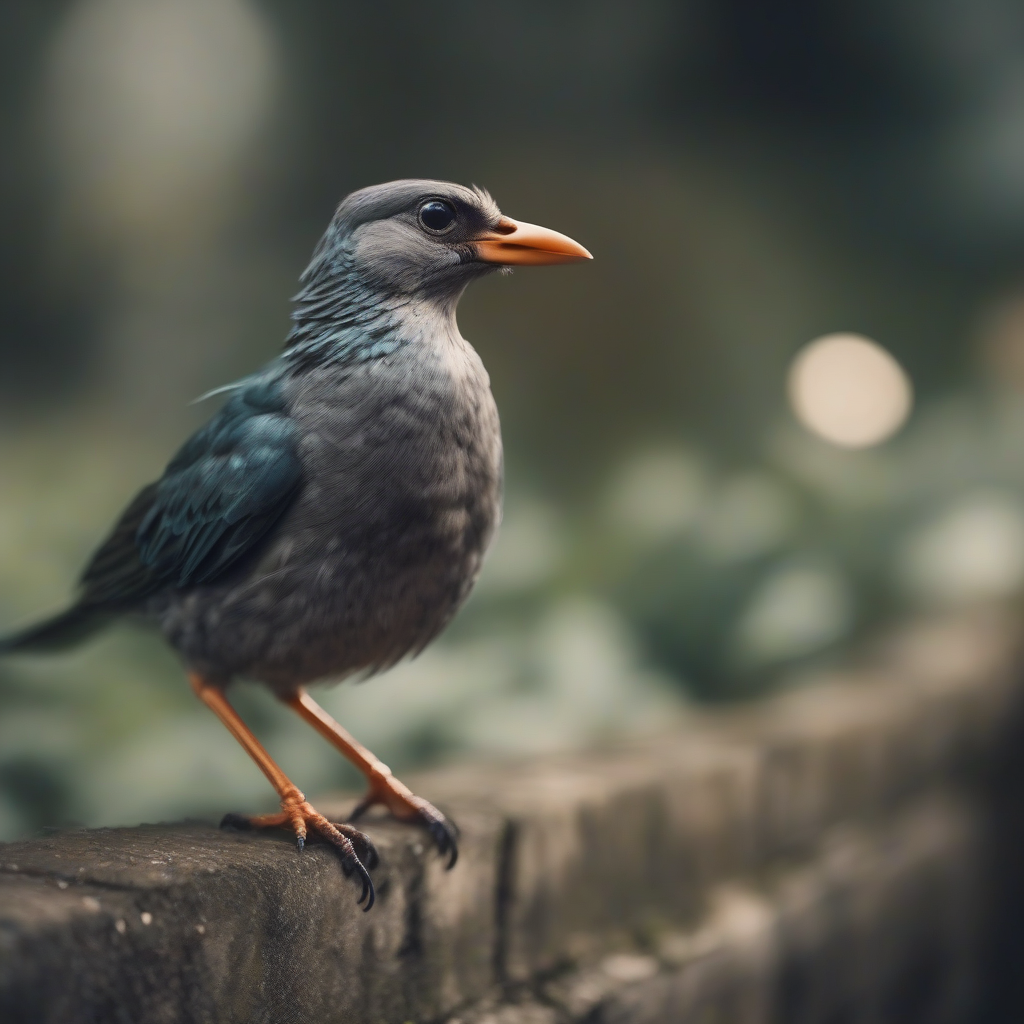
In this article, you will learn to recognize sudden health crises in your bird in seconds and master lifesaving emergency intervention methods. Being a knowledgeable owner is critical for your companion's health.


Discover the neurobiological signals of hidden stress your newly adopted cat experiences during adaptation to a new social environment. This article reveals 5 insidious signs of your cat's silent struggle and scientific strategies for peaceful, long-term harmony.

Your dog's anal sacs, located beneath the tail, can be hidden alarm bells often overlooked but profoundly affecting their quality of life. In this article, you will discover the 5 insidious neurobiological effects of anal sac problems on the brain and the lifesaving care secrets you need to know for your furry friend to live a peaceful life.
In this article, you will find comprehensive information on the insidious neurotoxic effects of heavy metal poisoning in aquarium fish, its symptoms, and lifesaving emergency intervention codes. This condition, which can arise from household water sources, improper equipment, or neglect, can severely threaten your fish's quality of life and lifespan.
Pet birds, due to their delicate nature, can be prone to sudden health issues. One of a bird owner's greatest responsibilities is to recognize such emergencies promptly and administer the correct intervention. Remember, even seconds can be life-saving for these small companions. In this article, we will delve into 5 critical emergencies that can be overlooked and the immediate interventions required for them.
If you notice your bird suddenly struggling to breathe, making wing-flapping motions, or producing noticeable sounds while breathing, it indicates severe respiratory distress. Possible causes include dust mites, toxic fumes (e.g., Teflon smoke), allergens, or a sudden infection. While we touched upon this in our article Your Bird's Sudden Respiratory Distress: Lifesaving First Steps and 5 Critical Overlooked Signs!, here are the immediate actions to take:
Bleeding in birds can often be hidden beneath their feathers. Even a small cut or a broken nail can lead to significant blood loss. Identifying and stopping the source of bleeding is vital.
If your bird suddenly becomes listless, fluffs up its feathers, has half-closed eyes, and appears unresponsive, it is likely in shock. Stress, trauma, sudden fright, pain, or internal bleeding can be causes of shock. We also discussed this in our article Your Bird's Hidden Crisis Signals: How to Save Lifes in Seconds During Sudden Shock? Emergency Intervention Guide.
Many household substances can be fatal to birds. Cleaning products, sticky traps, poisonous plants, objects containing heavy metals, or certain human foods can cause poisoning in birds.
Situations like a hard fall, an attack by another pet, or getting trapped in the cage can lead to traumatic injuries or fractures.
In any emergency, ensuring your bird remains calm and reducing its stress is the utmost priority. As highlighted in our content Your Bird's 'Secret Communication Protocols': Deciphering Meanings Beyond Sound and Reducing Stress in Seconds, understanding their silent signals can assist you during crises. Always have essential first aid supplies for your bird in an emergency kit (styptic powder, sterile gauze, warming materials, cleaning wipes, and any emergency medications recommended by your vet). Remember, knowledge and preparation can save the life of your most precious companion.
