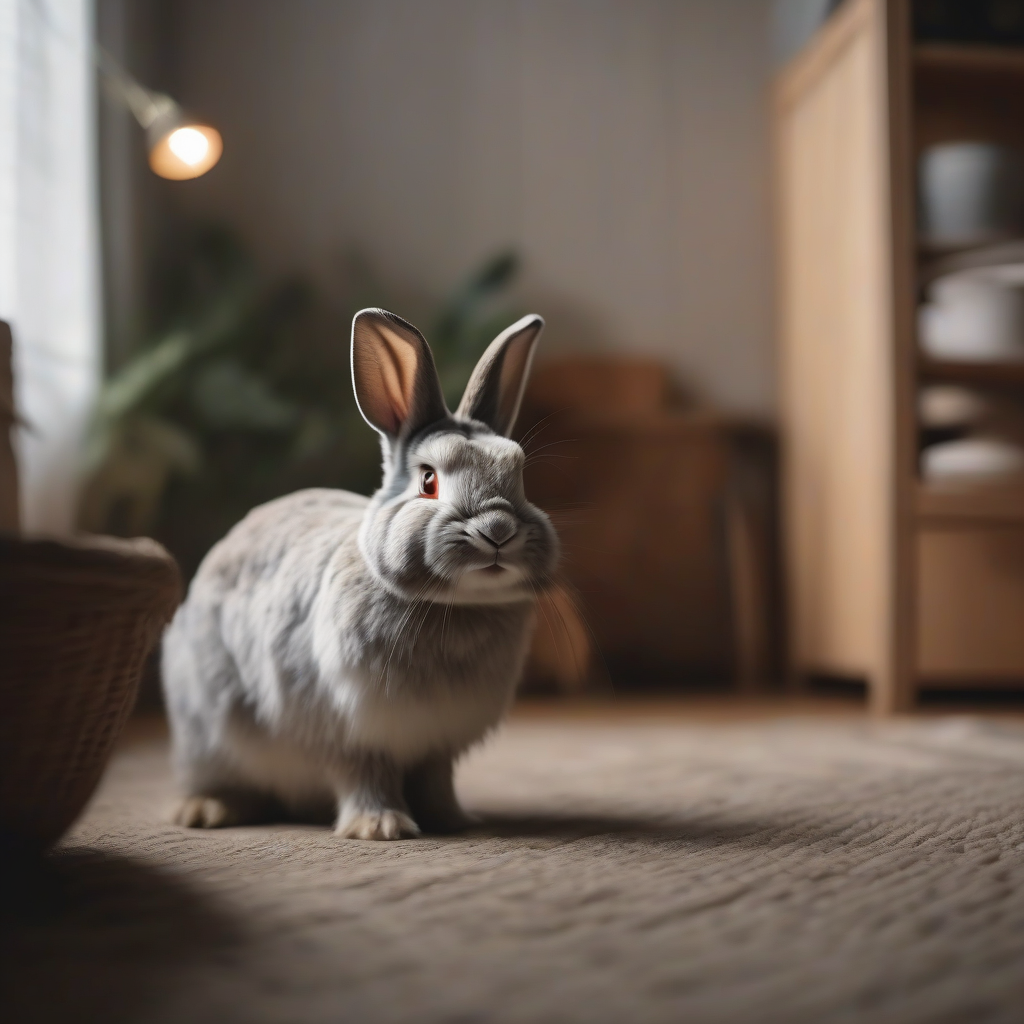
In this article, you will find comprehensive information on how rabbits are affected by light exposure, how home lighting can be a hidden source of stress, and scientific ways to create optimal comfort zones for them.

In this article, you will discover the 5 insidious neurobiological effects of the Encephalitozoon Cuniculi parasite, which is often overlooked in rabbits but severely affects the brain, along with lifesaving early diagnosis methods.
In this article, we will deeply explore the insidious neurobiological effects of gut microbiome imbalance (dysbiosis) on your rabbit's brain health and provide scientific-based solutions to maintain mental vitality.

In this article, you can find comprehensive information on how pancreatitis in dogs not only affects the digestive system but also insidiously impacts the brain, its neuroinflammatory mechanisms, and lifesaving emergency intervention strategies.
Rabbits, by nature, are creatures whose lives in their natural habitats are closely intertwined with the cycles of light and shadow. However, in domestic environments, this delicate balance is often overlooked. For pet rabbits, proper lighting creates "invisible shadow zones" that profoundly affect not only their vision but also their mood, sleep patterns, and overall well-being. This article uncovers the scientific secrets of light exposure that directly impact your rabbit's quality of life, offering ways to create an ideal environment for them, both physically and psychologically.
Rabbits are naturally crepuscular animals, meaning they are most active during dawn and dusk. This biological rhythm can be easily disrupted by artificial light sources in a home environment. Constant bright light can inhibit melatonin secretion from their pineal gland, throwing off their sleep patterns, leading to chronic stress, and weakening their immune systems. Melatonin is a crucial hormone secreted in darkness, regulating the sleep-wake cycle. When there isn't enough darkness, its production is disrupted, and rabbits' natural circadian rhythms are disturbed.
Lack of a natural light cycle can result in behavioral abnormalities in rabbits, including excessive tension, timidity, and even aggression. A constantly bright environment forces them to remain perpetually alert, preventing them from resting and relaxing. Therefore, providing access to natural daylight and a complete transition to darkness at night in their living space is of vital importance. Choosing a location near a window, but not exposed to direct harsh sunlight, helps them adapt to the natural cycle.
LED lamps, fluorescents, or halogen lighting used in our homes, while comfortable for the human eye, can present a different experience for rabbits. Flickering lights in particular (even at frequencies imperceptible to the human eye) can act as a stressor on rabbits' sensitive eyes and nervous systems. These flickers can cause rabbits to constantly scan their surroundings, leading to chronic fatigue and anxiety. Prolonged exposure to high-intensity artificial light can lead to eye health problems and, in some cases, even myopia, as their eyes are adapted to natural, dimmer light conditions.
Some UV spectra emitted by lamps not designed for animals can be harmful to rabbits. In contrast, the balance of UV-A and UV-B rays found in natural sunlight is crucial for vitamin D synthesis and overall health. Since vitamin D is critical for calcium absorption, its deficiency can lead to dental and bone problems. However, overexposure can lead to skin and eye damage. Therefore, it is important to consider full-spectrum lighting solutions specifically designed for pets and to strictly follow their usage instructions.
Rabbits inherently need hiding and refuge areas. This is not just an instinct for protection from predators but also a desire to escape excessive light or environmental stimulation. Providing sufficient shadow areas in their living space helps them feel secure and reduces their stress levels. These areas should be places where rabbits can rest and nap during the day, feeling comfortable and at ease.
In cage setups, dark tunnels, enclosed boxes, or specially designed burrows offer "sanctuaries" where your rabbit can calm down and rest, in alignment with their internal compass. These areas provide opportunities for them to avoid excessive light exposure during the day and exhibit natural behaviors. Understanding your rabbit's overlooked stress triggers will help you better grasp the importance of such shadow areas. Such refuges also allow them to manage their territorial behaviors and feel safe.
The lighting in your rabbit's living space has a far greater impact on their physical and emotional health than you might imagine. By understanding "invisible shadow zones" and the scientific secrets of light exposure, you can create a stress-free environment where your rabbit can exhibit natural behaviors and live in peace. This conscious approach will strengthen the bond between you and your rabbit and help them lead a long, healthy life. Remember, your rabbit's well-being begins with the attention you pay to the smallest details.
