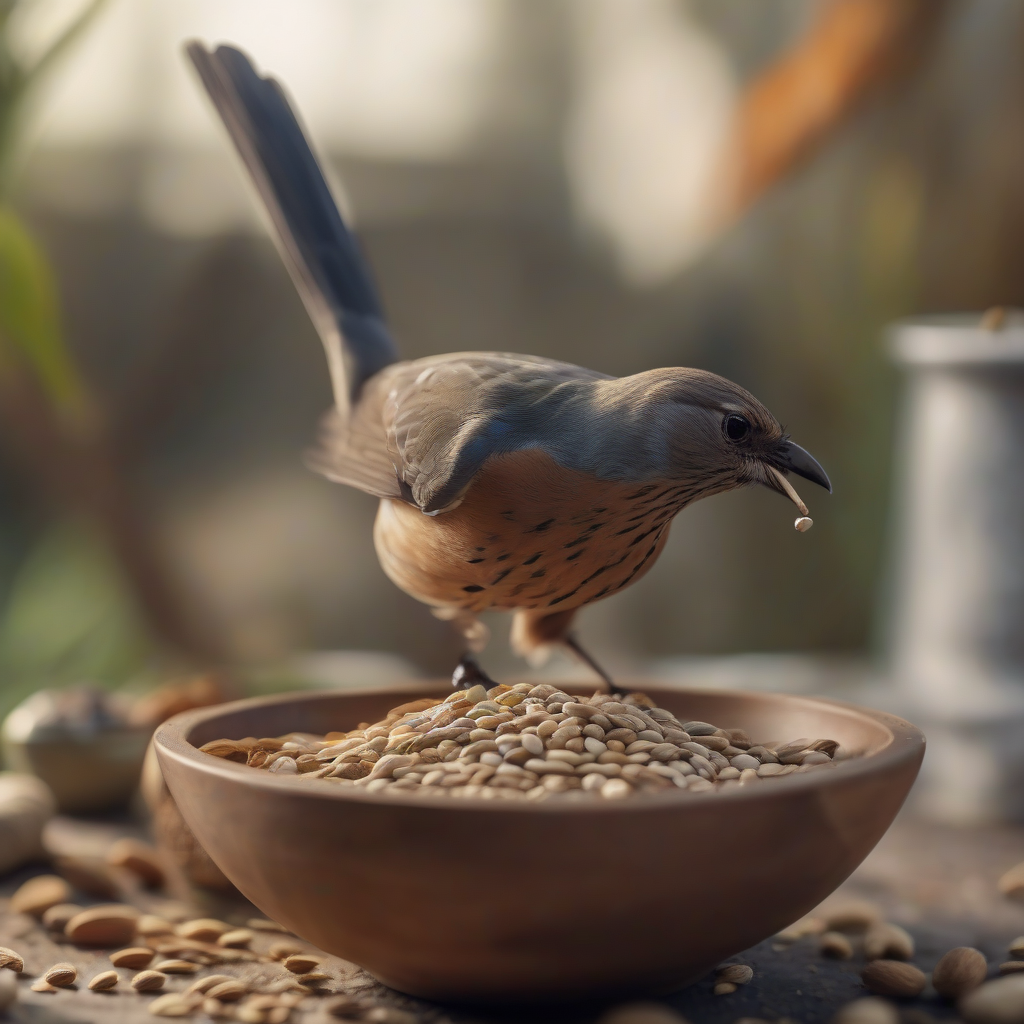
In this article, you will find comprehensive information regarding hidden dangers in your bird's diet, especially toxic seeds and seed traps.


Discover the neurobiological signals of hidden stress your newly adopted cat experiences during adaptation to a new social environment. This article reveals 5 insidious signs of your cat's silent struggle and scientific strategies for peaceful, long-term harmony.

Your dog's anal sacs, located beneath the tail, can be hidden alarm bells often overlooked but profoundly affecting their quality of life. In this article, you will discover the 5 insidious neurobiological effects of anal sac problems on the brain and the lifesaving care secrets you need to know for your furry friend to live a peaceful life.
In this article, you will find comprehensive information on the insidious neurotoxic effects of heavy metal poisoning in aquarium fish, its symptoms, and lifesaving emergency intervention codes. This condition, which can arise from household water sources, improper equipment, or neglect, can severely threaten your fish's quality of life and lifespan.
Birds, by nature, are curious creatures with a tendency to explore everything around them. One of the most common encounters in this exploration journey is food sources. However, the dietary routine of our pet birds is vastly different from the complex food chains in nature. This difference can lead to both nutritional deficiencies and unknowingly offered harmful foods. Particularly, seeds and kernels, due to their appealing appearance and energy density, can be both a food source and a hidden danger for birds. In this article, we will delve into the toxic seeds and seed traps that can put your bird's health at risk, examining their scientific codes, and detailing the steps for a balanced diet.
Seeds form a significant part of the natural diet for many bird species. However, for pet birds, this can be dangerous if the wrong type of seed is chosen. Most commercial bird seed mixes are filled with high-fat seeds. This can lead to your bird gaining excessive weight, developing fatty liver disease, and other metabolic issues.
Oily seeds, especially sunflower seeds, safflower seeds, and peanuts, are the primary culprits behind obesity in birds. This is not just an aesthetic problem; it can negatively affect your bird's joint health, cause breathing difficulties, and even pave the way for chronic diseases like diabetes. In the long run, such a diet can diminish your bird's overall quality of life and shorten its lifespan.
Interestingly, similar to the effects of changing dietary habits in humans, excessive consumption of oily seeds in birds can negatively impact the gut microbiome, leading to digestive problems. When the balance of your bird's hidden gut warriors' is disrupted, its immune system weakens, making it more vulnerable to diseases.
Some seeds can be directly toxic to birds. These generally harm the bird's metabolism due to their chemical composition. For instance, some wild seeds or unprocessed grains may contain compounds that birds cannot digest or that are toxic.
Cyanide compounds found in fruit pits like apple seeds, cherry pits, and peach pits can be fatal to birds. Even small amounts can lead to severe poisoning. Similarly, some seeds can cause allergic reactions in birds. These reactions can range from mild itching to difficulty breathing.
These hidden dangers can threaten your bird's overall health and even its life. Nutritional poisoning can be one of the underlying causes of your bird's sudden respiratory distress. Therefore, you must ensure that every food item you offer your bird is safe.
Seeds can be potential nutrient sources for birds to meet their energy needs. However, excessive consumption or offering the wrong types can lead to serious health problems.
Seeds and kernels alone are not sufficient for birds' nutrition. A balanced diet should include a variety of fruits, vegetables, and specially formulated bird foods. Vitamin and mineral supplements, especially calcium, vitamin D, and other micronutrients, are vital for your bird's bone health, feather structure, and overall metabolism. Your bird's hidden solar energy, meaning vitamin D synthesis from UVB/UVA radiation, is also critical for the absorption of these minerals.
Your bird's overall health condition can also be reflected in changes in its feather structure. As mentioned in the article Your Cat's 'Hidden Fur Migration': Why Does Its Coat Texture Change and How to Read Health Signals?, nutritional deficiencies can directly affect feather health. Similarly, in birds, nutritional deficiencies can lead to feather loss, color fading, or abnormal feather development.
Carefully select the types of seeds and kernels you offer your bird. More balanced seeds like soybeans, flaxseeds, quinoa, and buckwheat can be preferred. However, these seeds should also be consumed in moderation and balanced with other food groups. When creating your bird's diet, it is best to consult your veterinarian to establish a nutrition plan appropriate for your bird's species, age, and activity level. Your bird's hidden intelligence doors and its overall well-being are directly linked to proper nutrition.
Understanding the hidden dangers in your bird's diet is one of the most crucial steps towards ensuring a long and healthy life for it. By eliminating toxic seeds and excessively fatty kernels from its diet and establishing a balanced and varied nutritional regimen, you can support your bird's metabolism and protect it from numerous health issues.
Remember, conscious nutrition strengthens the bond between you and your bird and enhances its quality of life. Always consider your bird's specific needs and heed veterinary advice. This way, by ensuring your bird receives its hidden minerals correctly, you can keep it away from illnesses and dangers.
In this article, we have focused on the specific seed and kernel-based hidden dangers that you should be aware of in your bird's diet. Just as it is vital to recognize your bird's hidden crisis signals, preventing the dietary mistakes that can lead to these crises is also of paramount importance.
