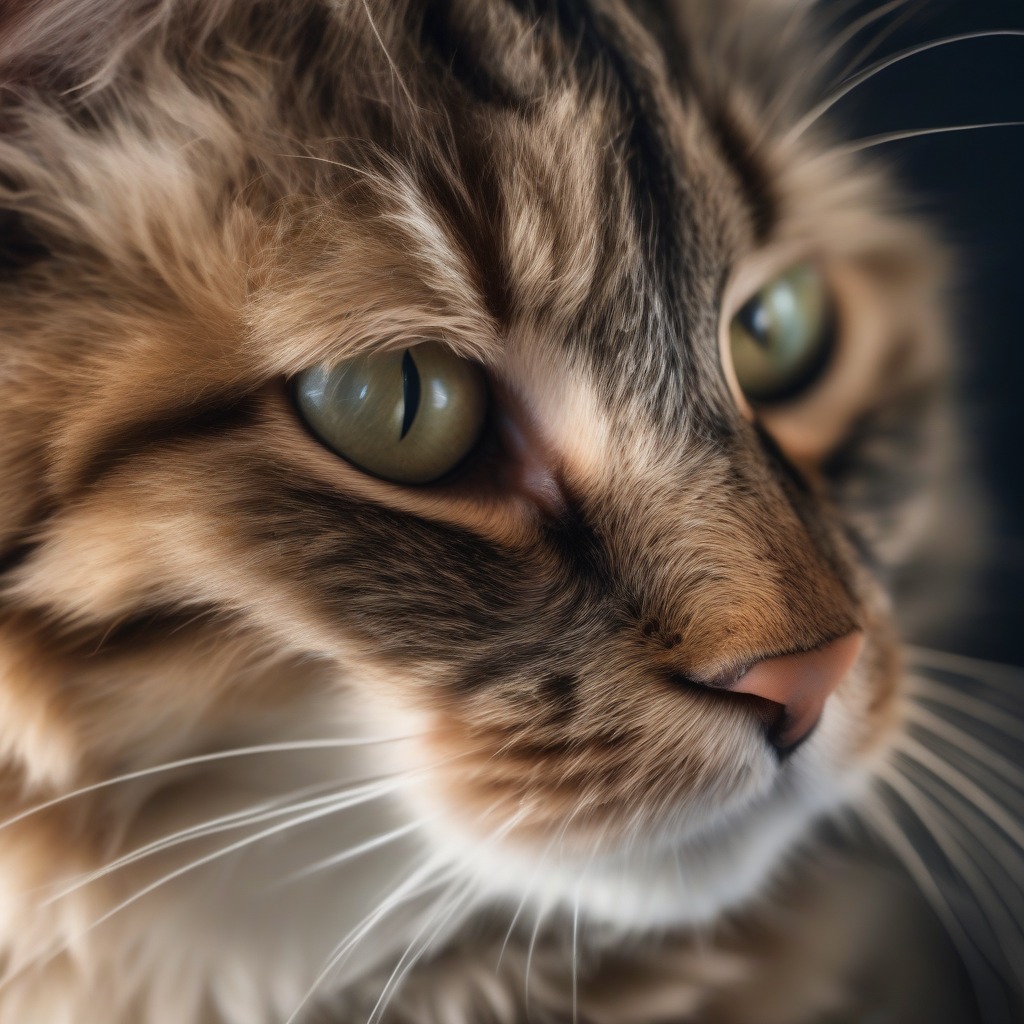
In this article, you will find comprehensive information about the hidden health signals behind changes in your cat's fur texture, fur migration, and the importance of understanding these changes in maintaining your cat's overall health.


In this article, you will discover the 5 insidious neurobiological effects of the Encephalitozoon Cuniculi parasite, which is often overlooked in rabbits but severely affects the brain, along with lifesaving early diagnosis methods.

In this article, we will deeply explore the insidious neurobiological effects of gut microbiome imbalance (dysbiosis) on your rabbit's brain health and provide scientific-based solutions to maintain mental vitality.

In this article, you can find comprehensive information on how pancreatitis in dogs not only affects the digestive system but also insidiously impacts the brain, its neuroinflammatory mechanisms, and lifesaving emergency intervention strategies.
The world of cats, often remains behind a veil of mystery for us humans. Especially changes in their fur structure might seem like just an aesthetic difference, but in reality, they can carry crucial clues about your cat's overall health. This process, which we call 'Hidden Fur Migration,' meaning the changing texture, color, or structure of the fur over time, can point to a range of health issues that can directly affect your cat's quality of life.
Like our hair, a cat's fur is in a constant renewal cycle. However, sometimes disruptions can occur in this cycle. These disruptions can stem from a wide range of causes, from invisible stressors in your cat's life to nutritional deficiencies, hormonal imbalances, or underlying chronic diseases. This is where the concept of 'Hidden Fur Migration' comes into play.
Fur migration is a condition where the cyclical changes in your cat's hair follicles are unexpectedly affected. This can manifest as the fur becoming finer, more brittle, dull-looking, or showing unexpected color changes. In some cases, the angle at which the hair grows can even change, affecting the overall appearance of the coat.
Understanding the reasons behind these changes is critical for your cat's health. For instance, a dulling of your cat's previously shiny and vibrant fur could be a harbinger of a nutritional deficiency or a problem in the digestive system. Just as mentioned in the article Your Dog's Hidden Fur Power: Not Just Appearance, but the Key to Health!, fur reflects not only appearance but also the overall health of the pet.
Cats are highly sensitive to changes in their environment. Situations like acoustic stress at home (Your Cat's 'Invisible Soundscape': Hidden Sources of Acoustic Stress at Home and the Science of Creating a Peaceful Environment!) or the adaptation process to a new home (Your Cat's Step-by-Step Gentle Transition to a New Home: 5 Hidden Signals and Behavior Codes that Build Trust (March 2026)) can lead to significant stress responses in cats. This stress can disrupt hormonal balances, affecting the fur cycle and causing changes in the fur's texture.
When a cat is stressed, its body releases stress hormones like cortisol. These hormones can interfere with the healthy functioning of hair follicles, leading to increased shedding or a decrease in fur quality. In such cases, a noticeable dullness or lifelessness might be observed in the fur texture.
Fur migration is not limited to stress and can also be an indicator of more serious health problems.
Overactive or underactive thyroid glands can cause significant changes in a cat's fur texture. In hypothyroidism, the fur can become finer, more brittle, and dull, while in hyperthyroidism, an increase in hair loss can be observed. These hormonal imbalances can also affect your cat's overall energy levels, appetite, and even behavior.
Quality and balanced nutrition form the foundation of healthy fur. Deficiencies in essential nutrients such as protein, fatty acids (especially omega-3 and omega-6), vitamins (A, E, B vitamins), and minerals (zinc, copper) can lead to deterioration of the fur structure. For example, a lack of omega-3 fatty acids can cause the fur to lose its shine. Therefore, reviewing your cat's diet is vital for fur health. As mentioned in the article Your Cat's 'Invisible Thirst': The Dry Food Trap and Secret Nutritional Strategies for Lifesaving Urinary Health!, nutrition is always directly related to the cat's overall health.
Fungal infections, parasitic infestations (like fleas, mites), or allergies in cats can cause itching, redness, and inflammation of the skin. These conditions weaken the hair follicles, leading to hair loss and damage to the fur structure. If your cat is constantly scratching, pulling its fur, or experiencing patchy hair loss, it could be a sign of a skin problem.
Systemic diseases such as chronic kidney disease (Your Cat's Silent Kidney Enemy: Early Signs of Chronic Kidney Disease and Home Care Strategies to Improve Quality of Life) or Inflammatory Bowel Disease (IBD) (Your Cat's Hidden Gut Battle: Silent Symptoms of IBD and Lifesaving New Treatment Secrets!) can also cause changes in fur texture. These diseases can disrupt a cat's overall health, affecting nutrient absorption and consequently negatively impacting fur quality. In such cases, changes in the fur usually become more pronounced as the disease progresses.
When you notice unexpected changes in your cat's fur texture, it's important to assess the situation calmly rather than panicking. Here are the steps you can take:
