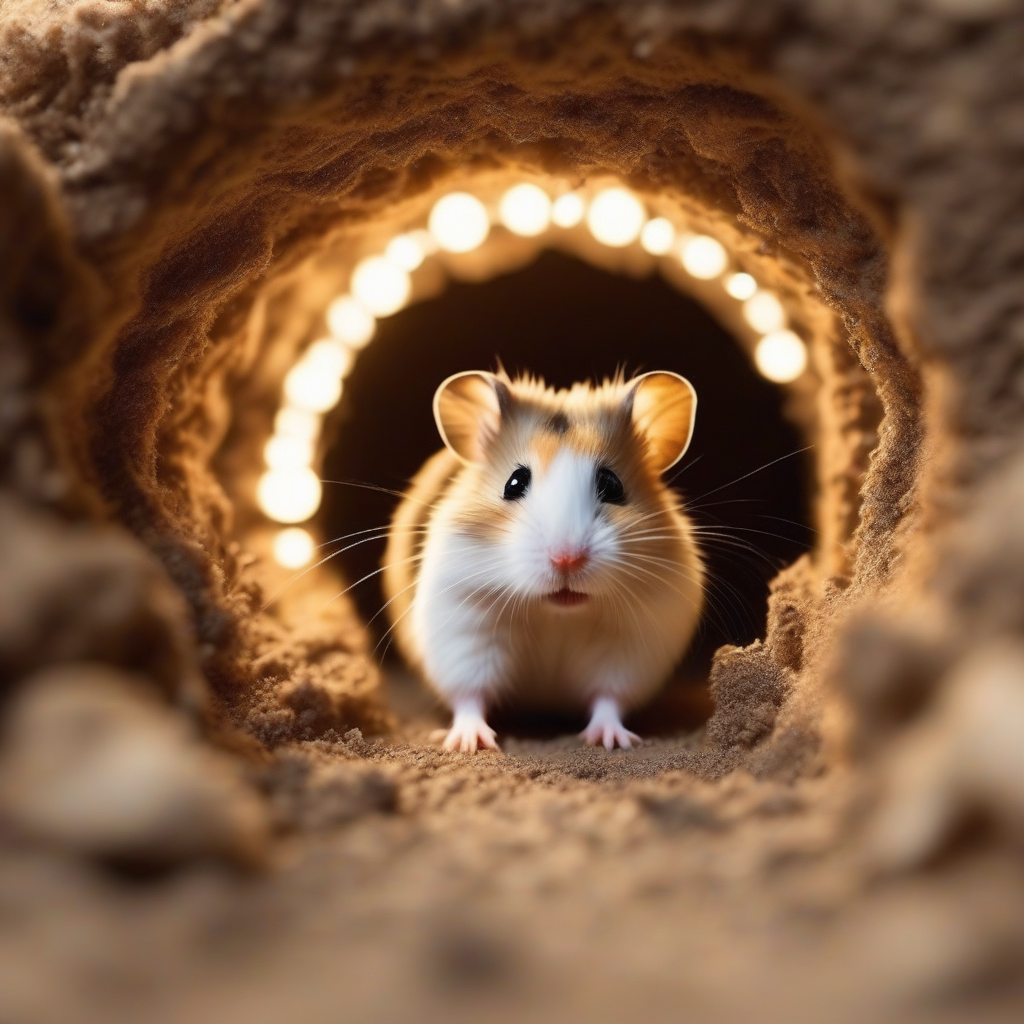
In this article, you will discover that hamsters' natural burrowing behavior is not just a pastime, but a key to their deep psychological and physical well-being. We explore scientifically how to create optimal tunnel systems and how these 'underground masterpieces' can enhance your pet's quality of life.


In this article, you will discover the 5 insidious neurobiological effects of the Encephalitozoon Cuniculi parasite, which is often overlooked in rabbits but severely affects the brain, along with lifesaving early diagnosis methods.

In this article, we will deeply explore the insidious neurobiological effects of gut microbiome imbalance (dysbiosis) on your rabbit's brain health and provide scientific-based solutions to maintain mental vitality.

In this article, you can find comprehensive information on how pancreatitis in dogs not only affects the digestive system but also insidiously impacts the brain, its neuroinflammatory mechanisms, and lifesaving emergency intervention strategies.
When you adopt a hamster, one of the first things that usually come to mind are wheels, food bowls, and maybe a small hideout. However, one of the most critical, yet often overlooked, elements for these tiny creatures' well-being is their underground world: their tunnel systems. In nature, hamsters can dig complex tunnels miles long, and for them, this behavior is not just a hobby but the foundation of their survival instincts and psychological health. So, how can you meet your pet hamster's deep need for this "underground masterpiece" and truly create a peaceful living space for them? In this article, we delve into the hidden psychological power of tunnel systems on hamster well-being with scientific data and offer strategies to enhance your furry friend's quality of life.
The burrowing instinct of hamsters is a product of millions of years of evolution. In their natural habitats, living in sandy and earthy terrains, these creatures create complex underground networks to protect themselves from predators, store food, keep their young safe, and shield themselves from extreme temperature changes. These tunnels are vital for both their physical and mental survival.
Every hamster is born with an "engineering blueprint" embedded in their genetic code. This blueprint whispers to them where, at what depth, and at what angles to dig. When provided with sufficient digging space and appropriate substrate, hamsters act on their natural instincts to bring this plan to life. Suppressing this behavior can lead to severe stress, behavioral problems, and even health issues. In fact, many of your hamster's hidden stress points stem from the unmet need to express natural instincts.
Tunnel systems are not just shelters for hamsters; they are also a "safe haven" and a source of "psychological enrichment." The process of deep burrowing and tunnel creation enhances their sense of control and reduces anxiety levels.
A hamster feels secure in the tunnels it digs deep underground. This is one of their most basic needs, offering an escape from potential dangers. The tunnel network creates a micro-universe where the hamster can control its environment and hide from predators. This sense of control acts as a shield against stress and significantly improves their overall well-being. This situation also resembles rabbits' need for peaceful living spaces, as your rabbit's overlooked stress triggers also arise from similar quests for security and control.
Building and navigating complex tunnel systems develops hamsters' cognitive abilities. Skills such as problem-solving, memory, and spatial awareness are actively engaged during tunnel construction and use. This mental stimulation prevents boredom and reduces the risk of stereotypical behaviors (repetitive, meaningless movements). Indeed, the psychological power of your hamster's habitat arrangement is largely associated with such enrichments.
Creating an ideal tunnel system for a pet hamster begins with choosing the right material and providing sufficient depth. This is vital for your hamster to exhibit natural behaviors and live truly in well-being.
For most hamster species, a minimum of 15-20 cm (6-8 inches) of diggable substrate is recommended, but for some species (e.g., Syrian hamsters), 30 cm (12 inches) or more is ideal. Quality, dust-free, and safe substrate materials include:
What to Avoid: Cotton-based or excessively scented bedding can lead to respiratory problems and digestive blockages.
Not just depth, but also the complexity of the tunnel system is important. Piling high bedding material in one section of the cage and adding cardboard tubes, tunnel pipes, or branches can help your hamster build a more realistic tunnel network. Such a structure also allows your hamster to optimize its micro-climate map, as different temperatures and humidity levels can form at various depths.
Observing your hamster's behavior is crucial to understanding whether its burrowing needs are adequately met. Hamsters with inadequate living spaces can show various signs of stress.
Proper tunnel systems and habitat enrichment can significantly reduce such undesirable behaviors and ensure your hamster lives a healthy, happy life both physically and mentally. Remember, a well-designed tunnel system is not just a home for your hamster but an 'underground paradise.'
