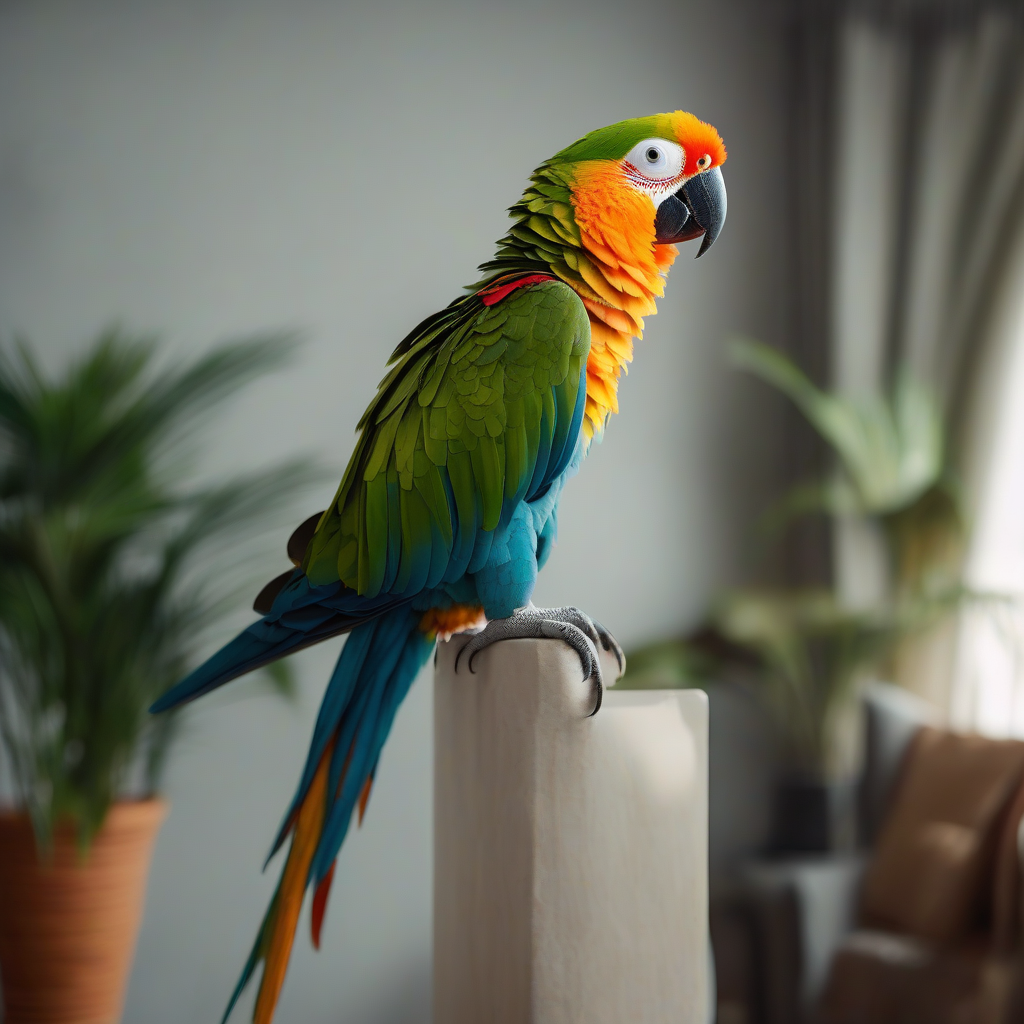
In this article, you will find comprehensive information about the invisible toxins threatening your bird's liver health, the insidious signs of this burden, and scientific detox strategies that enhance quality of life.


Discover the neurobiological signals of hidden stress your newly adopted cat experiences during adaptation to a new social environment. This article reveals 5 insidious signs of your cat's silent struggle and scientific strategies for peaceful, long-term harmony.

Your dog's anal sacs, located beneath the tail, can be hidden alarm bells often overlooked but profoundly affecting their quality of life. In this article, you will discover the 5 insidious neurobiological effects of anal sac problems on the brain and the lifesaving care secrets you need to know for your furry friend to live a peaceful life.
In this article, you will find comprehensive information on the insidious neurotoxic effects of heavy metal poisoning in aquarium fish, its symptoms, and lifesaving emergency intervention codes. This condition, which can arise from household water sources, improper equipment, or neglect, can severely threaten your fish's quality of life and lifespan.
Your bird's vibrant feathers, cheerful chirps, and energy are often visible indicators of health. However, sometimes one of the most critical organs, the liver, silently carries a burden that can lead to serious long-term health problems. Your bird's liver, much like a chemical laboratory, works to clear toxins from the body, process nutrients, and regulate many vital functions. In this article, we will delve into the invisible toxins threatening your bird's liver health, its insidious signs, and scientific detox strategies that enhance quality of life.
Birds have a much faster metabolism than humans, and this speed requires their livers to work more intensely. The liver is the body's detoxification center. It processes substances ingested with food, medications, and environmental toxins, rendering them harmless. It also plays a key role in fat, carbohydrate, and protein metabolism, regulates blood sugar, and produces essential proteins for the immune system.
In birds, the liver is involved in every stage, from nutrient absorption to excretion. A healthy liver ensures your bird is energetic, has bright plumage, and maintains its resistance to diseases. Any malfunction in the liver can create a domino effect throughout the entire system.
Many factors increase the liver's workload, and most of these can be overlooked by owners. These 'invisible' enemies can eventually lead to liver failure or other serious health issues.
Bird nutrition is critically important for liver health. Especially seed-heavy diets, due to their high-fat content, can lead to fat accumulation in the liver (hepatic lipidosis). Furthermore, stale seeds or low-quality feed can contain liver-toxic substances like mycotoxins. You can find more information about such food-borne dangers in the article Your Bird's Hidden Minerals: Toxic Seeds and Seed Traps - Scientific Codes for Healthy Nutrition.
Many household products contain chemicals that can be toxic to birds. Environmental factors such as cleaning sprays, perfumes, candles, gases emitted from non-stick cookware coatings (PTFE poisoning), and cigarette smoke can accumulate in the liver when inhaled or ingested during preening. These substances can overload the liver's detoxification mechanisms. For a broader perspective on similar toxin sources and their impact on general health, you can refer to our article Your Fish's 'Invisible Chemical Stress': Insidious Toxin Sources in the Aquarium and Lifesaving Secrets of Biological Balance!.
Mycotoxins secreted by fungi growing in damp or improperly stored feed are highly toxic to birds and can cause liver damage. Similarly, bacterial or viral infections can also affect the liver, leading to inflammation and loss of function.
The liver often shows no symptoms until a significant amount of damage has occurred. However, a careful observer might notice subtle changes in their bird. These signs could be the liver's cry for help:
Birds with liver problems may have dull feathers, faded colors, or abnormal feather loss. Symptoms like jaundice (icterus) or bruising on the skin may also appear.
Changes in droppings color (yellowish or greenish droppings), digestive difficulties, and weight loss are common signs of liver problems. Loss of appetite or excessive appetite can also be observed. These conditions, similar to the emergency signals mentioned in Your Bird's 'Hidden Crisis Signals': Recognize Them in Seconds for Lifesaving Emergency Interventions!, should be taken seriously.
Liver dysfunction affects your bird's overall energy level. Lethargy, sluggishness, decreased activity, less play, and increased sleep may be observed.
Long-term liver problems can lead to overgrowth, deformities, or discoloration of the beak and nails. This is because the liver is unable to process the necessary nutrients and vitamins required for the healthy growth of these tissues.
Taking proactive steps to protect and heal your bird's liver is vital. These strategies should be implemented in consultation with your veterinarian.
Your bird's liver is an unsung hero, working tirelessly for its long and healthy life. Paying attention to nutrition, environment, and regular veterinary check-ups is crucial to protect this silent hero. With early diagnosis and correct strategies, you can eliminate your bird's 'invisible liver burden' and offer it a higher quality of life. Remember, always seek professional veterinary advice for any signs of health issues.
