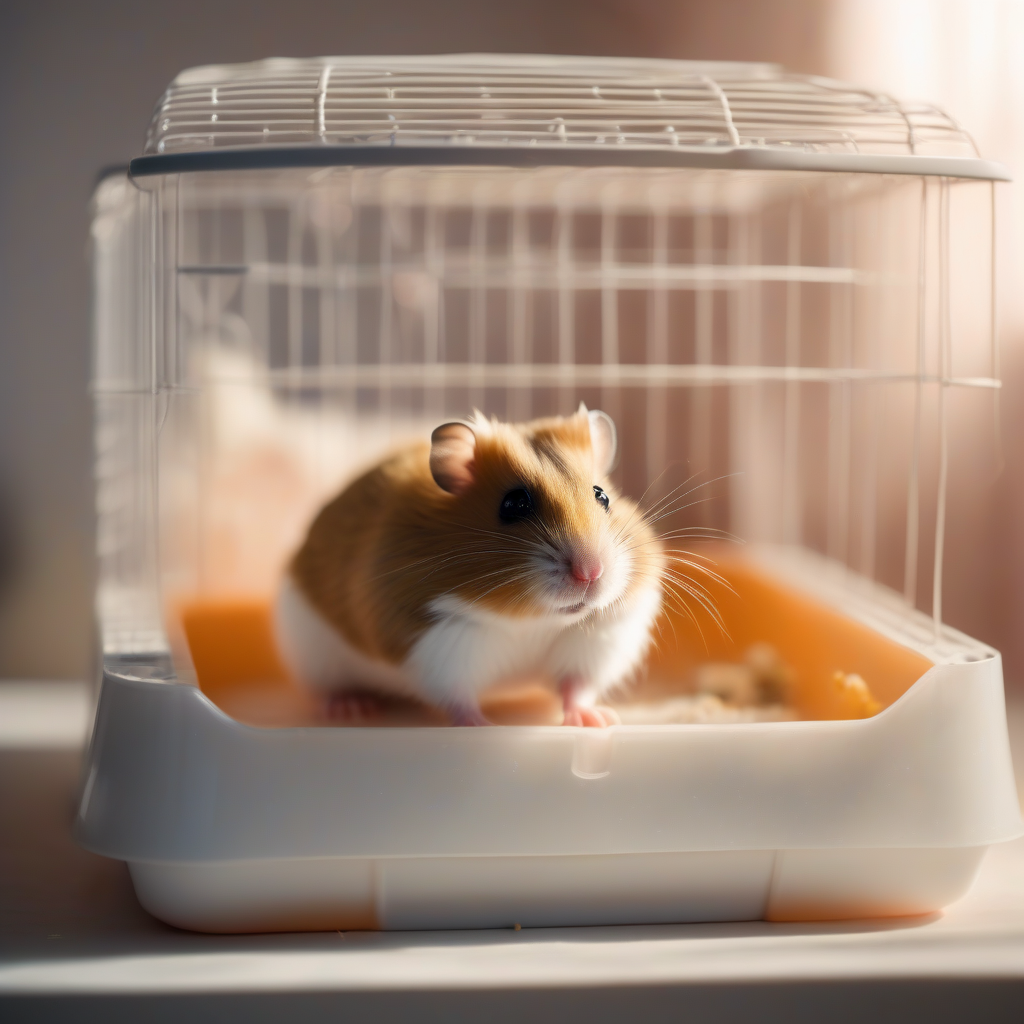
In this article, you will discover how to understand your hamster's potty habits based on scientific foundations and achieve cage hygiene, putting an end to dirty cage issues.


In this article, you will discover the 5 insidious neurobiological effects of the Encephalitozoon Cuniculi parasite, which is often overlooked in rabbits but severely affects the brain, along with lifesaving early diagnosis methods.

In this article, we will deeply explore the insidious neurobiological effects of gut microbiome imbalance (dysbiosis) on your rabbit's brain health and provide scientific-based solutions to maintain mental vitality.

In this article, you can find comprehensive information on how pancreatitis in dogs not only affects the digestive system but also insidiously impacts the brain, its neuroinflammatory mechanisms, and lifesaving emergency intervention strategies.
Adopting a hamster brings the joy of spending delightful moments with your tiny furry friend, along with the responsibility of maintaining a clean and hygienic living space. However, for many hamster owners, "dirty cages" and "bad odor" unfortunately seem like inevitable problems. Yet, hamsters are naturally very clean creatures, and with the right approach, it's possible to manage their potty habits. In this in-depth guide, you will decipher your hamster's invisible potty codes, revolutionize cage hygiene with science-based litter training strategies, and discover the secrets to creating a healthier, odor-free environment for both you and your little companion. The time has come for dirty cages to become a thing of the past!
Understanding your hamster's elimination behaviors is the first step towards a successful training process. These small rodents have complex behavioral patterns shaped by their survival instincts in the wild.
Hamsters extensively use scent to mark their territory and communicate. In the wild, they keep their burrows and food storage areas clean, depositing urine and feces away from their living quarters, typically in specific corners. This is a survival strategy aimed at keeping predators away from their nests and delineating the boundaries of their territory. They continue these instinctive tendencies in a cage environment. This is why they might use one or two corners of the cage, or sometimes a specifically designated "potty corner," for urination and defecation. These territorial behaviors are an indication of your hamster's need for both security and order. For more information on your hamster's stress, you can check out our article, Your Hamster's Hidden Stress Points: Insidious Home Dangers and the Science of Creating a Safe Haven!.
Hamsters, much like cats, are fastidious animals. They keep their nests as clean as possible to reduce the risk of disease and avoid attracting predators. This instinctual need for cleanliness forms a basis for litter training. When provided with an appropriate potty area, they show a natural inclination to use it. This cleanliness not only supports physical health but also contributes to your hamster's psychological well-being. A clean and organized living space ensures they are less stressed, which positively impacts their training processes. Our article, Your Hamster's 'Silent Screams': Scientific Secrets of Unexplained Post-Adoption Behaviors and the Art of Building Trust (March 2026), can help you understand hamster behaviors more deeply.
Litter training for your hamster offers many "invisible" benefits that extend beyond mere cage cleanliness.
The most obvious benefit is undoubtedly a more hygienic cage environment and less odor. When hamster waste is concentrated in a single area within the cage, cleaning that area becomes much easier. This simplifies your cleaning routine and also reduces ammonia buildup and harmful bacteria formation in the cage, protecting your hamster's respiratory health.
A clean living space means less stress for hamsters. Living in a consistently dirty environment can weaken your hamster's immune system and lead to behavioral problems. Through litter training, your hamster's natural instinct for cleanliness is satisfied, which significantly improves their overall quality of life. Our content, Your Hamster's Hidden Architect: The Psychological Power of Habitat Arrangement and Scientific Secrets to Enhancing Welfare (March 2026), provides further insights into the psychological effects of habitat arrangement.
While requiring patience and consistency, the training process can help you build a unique bond with your hamster. Earning your hamster's trust and teaching them a specific behavior strengthens your communication channels and increases mutual understanding.
Success in litter training comes from applying the right strategies with scientific principles.
Place a small, separate potty area in your hamster's cage. This area should typically be a corner of the cage and positioned near where your hamster naturally urinates. Special hamster litter boxes or ceramic dishes can be used. Fill it with an absorbent, sand-like material different from their bedding and safe for hamsters (e.g., specialized litter sand or unscented, dust-free play sand). To understand how potty material can affect your hamster's overall habitat microclimate, refer to our article, Your Hamster's Microclimate Map: Invisible Threats, Hidden Comfort Zones, and Scientific Secrets to Optimizing Their Habitat.
At the beginning of training, take a small amount of soiled bedding material from where your hamster has urinated or defecated and place it into the new litter box. This uses scent signals to show your hamster the purpose of the potty area. When your hamster starts using the litter box, reward them with a small treat (a favorite food piece). Positive reinforcement will strengthen the desired behavior.
Litter training does not happen overnight. Be consistent and clean the litter box regularly. When cleaning the litter box, still leave a tiny amount of soiled material inside to maintain the scent cue. It may take time for your hamster to adjust to this new routine, so be patient and avoid trying to rush the process.
Some mistakes made during the training process can halt or reverse progress.
Cage setup plays a critical role in litter training. A misplaced litter box or a generally disorganized cage can cause your hamster to view any part of the cage as a potty. Place the litter box in a corner where your hamster usually feels comfortable and can access it calmly. Additionally, ensure there is sufficient hiding space, sleeping area, and play area in the cage so that the potty area can be used solely for that purpose.
A stressed hamster may change its potty habits or ignore your training efforts. Factors such as cleaning the cage too frequently or too infrequently, sudden changes, noise, or inadequate nutrition can cause stress. Learning your hamster's stress signals and providing them with a peaceful environment is essential for training success. It's always important to evaluate any sudden changes in your hamster's behavior with a veterinarian.
Litter training your hamster is not just about a cleaner cage; it's a science-based approach that enhances your little friend's well-being, reduces stress, and strengthens the bond between you. By applying the steps in this guide with patience and consistency, you can decipher your hamster's invisible potty codes and leave dirty cages in the past. Remember, every hamster is different, and the training process is a personal journey. Strive to understand them, listen to their needs, and turn this process into an enjoyable experience together.
