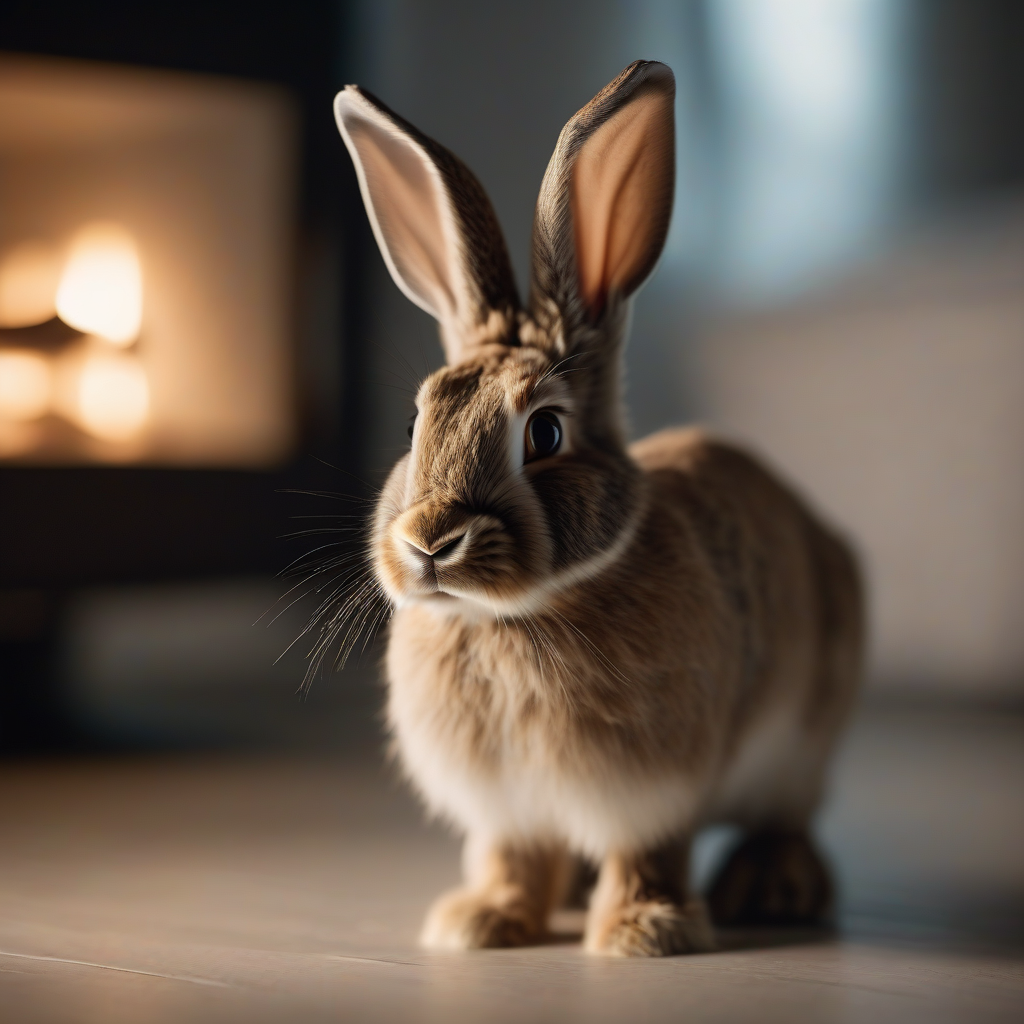
In this article, you will find the scientific origins of rabbits' "freeze response" to stress and fear, the invisible threats behind this behavior, and methods for creating a psychological safety shield for your rabbit.


In this article, you will discover the 5 insidious neurobiological effects of the Encephalitozoon Cuniculi parasite, which is often overlooked in rabbits but severely affects the brain, along with lifesaving early diagnosis methods.

In this article, we will deeply explore the insidious neurobiological effects of gut microbiome imbalance (dysbiosis) on your rabbit's brain health and provide scientific-based solutions to maintain mental vitality.

In this article, you can find comprehensive information on how pancreatitis in dogs not only affects the digestive system but also insidiously impacts the brain, its neuroinflammatory mechanisms, and lifesaving emergency intervention strategies.
Rabbits, by nature, are prey animals, and their survival strategies are built upon escaping or hiding from predators. One of the most fundamental and instinctive of these strategies is the "freeze response." When perceiving a threat, they may become completely motionless, aiming to avoid detection by predators or to wait for the threat to pass. However, in a home environment, this behavior is often misunderstood, leading you to overlook the deep stress your rabbit is experiencing. As of March 2026, recent research on rabbit psychology reveals that this response is not merely a defense mechanism but also a significant indicator of stress that can seriously impact their psychological well-being in the long term.
Rabbits' nervous systems are designed to react quickly in moments of immediate danger. When a threat is perceived, the sympathetic nervous system kicks in, putting the body into "fight or flight" mode. However, for small prey animals like rabbits, flight is not always the best option. Sometimes, remaining motionless can be a more effective strategy to distract a predator or to camouflage themselves within their environment. This "freeze" state is characterized by physiological changes such as a slowed heart rate, decreased respiration, and tensed muscles. This condition is a reflection of the internal fear your rabbit is experiencing.
While pet rabbits do not face the predatory threats of their natural habitat, they can encounter many "invisible" stressors in daily life. These triggers can activate your rabbit's freeze response and lead to a state of chronic anxiety:
Understanding your rabbit's freeze response is the first step towards building a deeper bond and enhancing their welfare. Signs often include:
Such behaviors can have a significant impact on Your Rabbit's 'Hidden Emotional Map' and, if overlooked, can lead to chronic stress.
Reducing your rabbit's freeze response and creating a safe living environment requires scientific approaches:
Provide easily accessible hiding boxes, tunnels, or enclosed areas with multiple exits where your rabbit can feel secure. This offers them options to escape or hide when they perceive a threat. Inadequate hiding spots are a significant factor among Your Rabbit's Overlooked Stress Triggers.
Rabbits thrive on routine. Maintaining consistent feeding, play, and cleaning times as much as possible helps them build trust in their environment. Minimizing unexpected events and sudden changes reduces your rabbit's overall anxiety levels.
Interact with your rabbit slowly and gently. Build trust by approaching at their level, avoiding direct eye contact, and allowing them to approach you at their own pace. Understanding Your Rabbit's 'Silent Language of Consent' is critical in these interactions. Avoid loud noises and sudden movements.
You can reduce your rabbit's fears by gradually exposing them to stress-triggering sounds or sights (desensitization) while providing a positive experience (reward, favorite treat) (counter-conditioning). This is similar to the principles described in the article Your Bird's Hidden Resistance: Scientific Desensitization and Trust Training Secrets to Overcome Fear!. This process requires patience and consistency.
Enriching their living space with chewing toys, tunnels, puzzle toys, and new scents keeps your rabbit mentally engaged and helps reduce stress levels. An active and engaged rabbit tends to be less anxious.
If your rabbit constantly exhibits the freeze response, shows significant changes in normal behavior, refuses to eat, or displays new behaviors like aggression, it is important to consult a veterinarian. These behaviors could indicate an underlying health issue or a severe stress condition. Your veterinarian will assess your rabbit's physiological and psychological health to establish an appropriate treatment and management plan.
Understanding your rabbit's freeze response and providing a safe environment is vital for them to live a long and healthy life. With scientific approaches, you can create not just a home, but a peaceful sanctuary for your rabbit.
