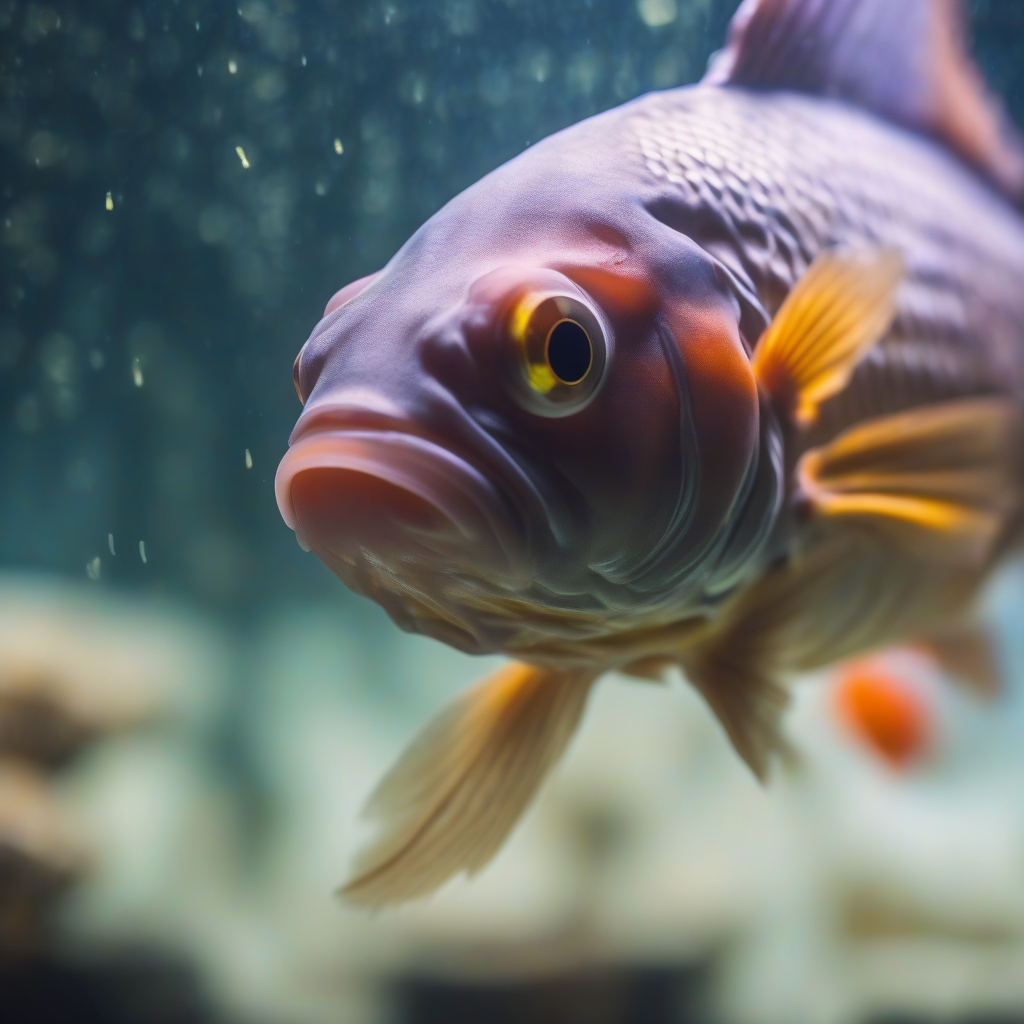
In this article, you will find 5 insidious neurometabolic effects of Dropsy (fluid accumulation in the body), a common and life-threatening condition in fish, on the brain, along with lifesaving scientific intervention methods.

In this article, you will find 5 insidious neurometabolic effects of Dropsy (fluid accumulation in the body), a common and life-threatening condition in fish, on the brain, along with lifesaving scientific intervention methods.

In this article, you will find comprehensive information about feline hypertension, a frequently overlooked condition with serious neurovascular effects, its insidious impacts on the brain, and lifesaving early diagnosis methods.
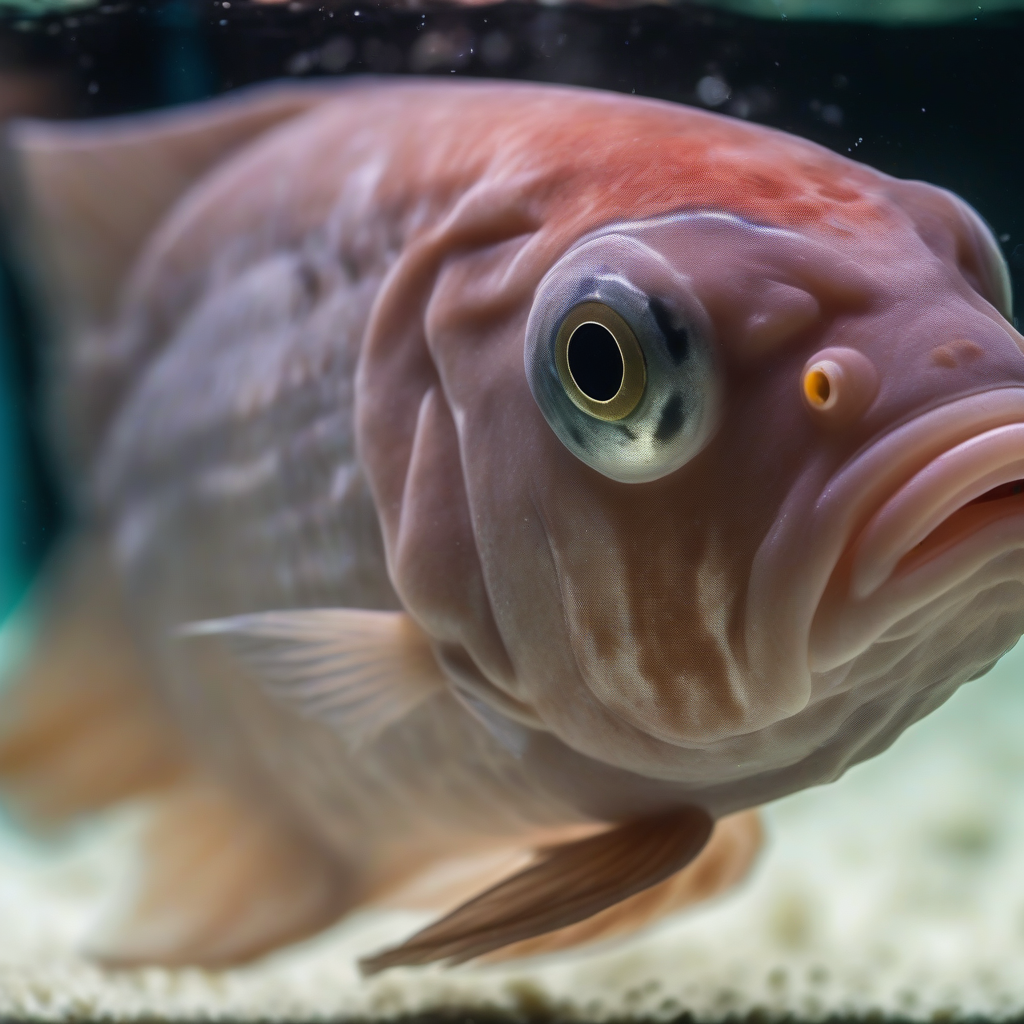
In this article, you can find comprehensive information about the insidious neuroinflammatory effects of Amoebic Gill Disease (AGD), often overlooked but potentially fatal in aquarium fish, and lifesaving emergency intervention strategies.
In the silent world of aquarium fish, there are many health problems that go unnoticed but can lead to fatal consequences. One of these is a condition commonly known as 'Dropsy', characterized by excessive fluid accumulation in the fish's body and protruding scales. Dropsy is not a disease in itself, but rather a symptom of an underlying serious infection, organ failure, or environmental stress. However, this 'bloating nightmare' does not only affect physical appearance; it also creates insidious and destructive neurometabolic effects on your fish's brain. As of August 2026, understanding the scientific codes of this hidden danger and taking lifesaving steps is the responsibility of every aquarium owner.
Dropsy is often an indication that the fish's kidneys or liver are not functioning properly. These organs play a critical role in maintaining fluid and toxin balance in the body. When their functions are impaired, fluid accumulates in the body, leading to the fish's scales standing out (pinecone appearance), a swollen abdomen, and general lethargy. Underlying causes can include bacterial infections (especially Aeromonas species), viral diseases, internal parasites, inadequate nutrition, and poor water quality. This systemic collapse deeply affects the fish's overall metabolism and can cause irreversible damage to brain functions.
The physiological imbalances caused by Dropsy disrupt the delicate chemistry and structure of the fish's brain, leading to a range of neurometabolic effects. These effects can result in noticeable changes in your fish's behavior and cognitive abilities.
Underlying kidney or liver failure due to Dropsy causes toxic waste products like ammonia to accumulate in the fish's body. Ammonia is normally converted into less toxic urea in the liver. However, when organ function is impaired, ammonia levels rise and cross the blood-brain barrier, reaching brain tissue. This leads to ammonia encephalopathy, which is toxic to neurons. Fish may experience lethargy, loss of coordination, disorientation, and even coma. For more information on this condition, please refer to our article, Your Fish's 'Silent Ammonia Shock': 5 Insidious Neurotoxic Effects.
Excessive fluid retention and organ failure severely disrupt the fish's electrolyte balance (sodium, potassium, calcium, etc.). Electrolytes are vital for neuronal signal transmission and general cellular functions. When this balance is disturbed, neurons cannot function properly, leading to neurological symptoms such as convulsions, spasms, abnormal swimming patterns, and altered consciousness. The fish's mental alertness and responses diminish.
Severe Dropsy weakens the fish's overall physiological state and can also affect gill functions. This reduces the blood's oxygen-carrying capacity, leading to insufficient oxygen delivery to the brain, known as hypoxia. Brain cells are extremely sensitive to oxygen deficiency. Hypoxia halts energy production and increases intracellular free radicals, leading to oxidative stress. Oxidative stress can damage neuronal DNA, proteins, and lipids, causing permanent neurological damage.
Bacterial infections or systemic organ failure often accompanying Dropsy trigger an intense inflammatory response in the body. During this response, pro-inflammatory cytokines can cross the blood-brain barrier, causing neuroinflammation in the brain. Neuroinflammation disrupts synaptic plasticity, can lead to neuronal death, and negatively affects the fish's cognitive functions, memory, and learning ability. Our article, Your Fish's Brain's Secret Fermentation Orchestra: 5 Insidious Neurobiological Effects of Gut Microbiota, can help you better understand the link between gut health and systemic inflammation.
Chronic illness and organ failure prevent the fish's digestive system from properly absorbing nutrients. The brain is one of the body's most energy-consuming organs and requires a continuous supply of glucose and essential micronutrients (vitamins, minerals) to function correctly. Malabsorption and general metabolic disorders caused by Dropsy deprive the brain of energy and nutrient sources. This can result in cognitive decline, learning difficulties, and general neurological dysfunction. For more details on this topic, please read our article, Your Fish's Brain's 'Hidden Nutrient Gaps': 5 Insidious Neurocognitive Effects of Insufficient Nutritional Variety.
Advanced cases of Dropsy are often fatal, so early diagnosis and rapid intervention are crucial. Here are emergency intervention codes you can apply:
Since Dropsy is difficult to treat, prevention is the best approach. Here are some scientific secrets:
Dropsy is a serious threat to aquarium fish. However, with conscious observation, rapid intervention, and proactive prevention strategies, you can help your fish live a long, healthy, and happy life. Remember, a healthy aquarium ecosystem is the foundation of healthy fish.
