
In this article, you will find comprehensive information about feline hypertension, a frequently overlooked condition with serious neurovascular effects, its insidious impacts on the brain, and lifesaving early diagnosis methods.

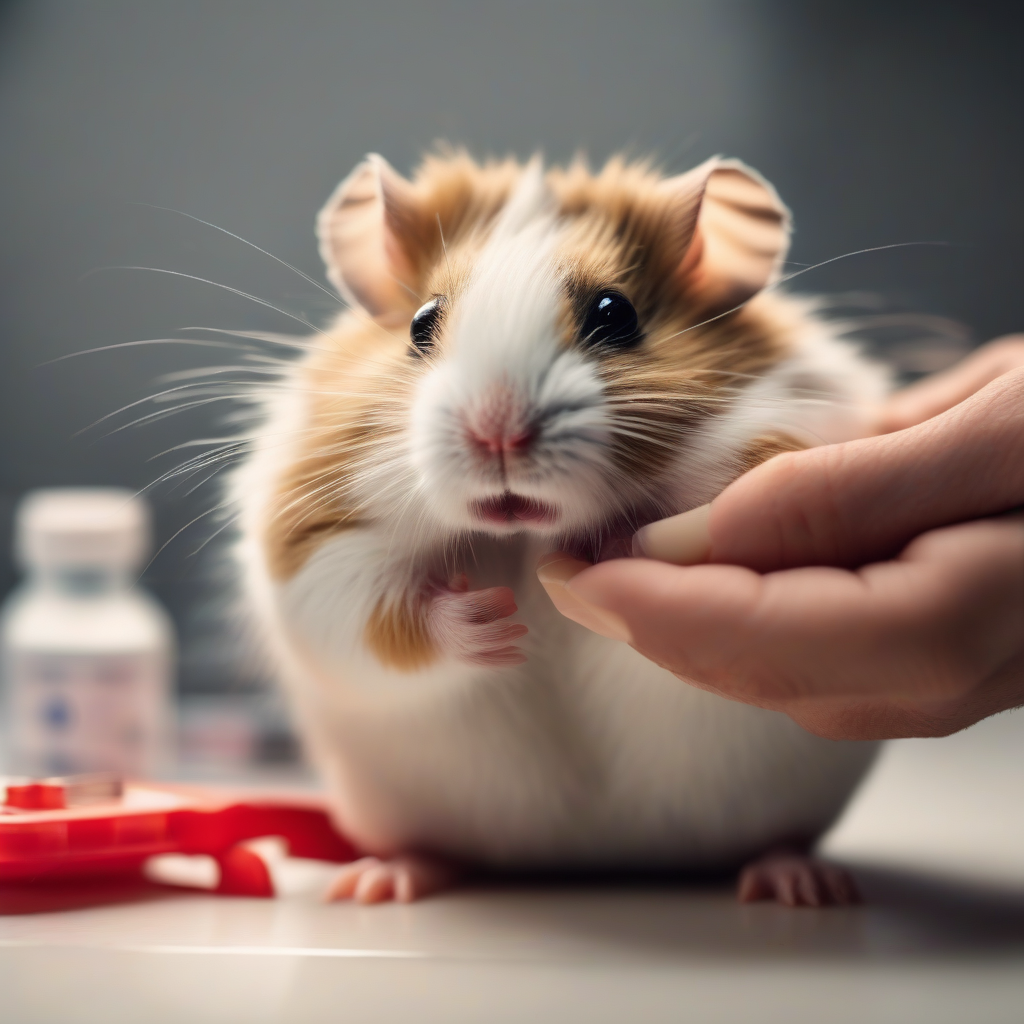
Acute respiratory obstruction, or choking, in your hamster is one of the most urgent, life-threatening emergencies. In this article, we will delve into the 5 insidious neurophysiological effects of choking on your hamster's brain and the lifesaving emergency intervention codes you can apply in this critical situation. Swift and correct action can save your tiny friend's life.

In this article, we scientifically examine the 'shadow of the past' carried in the brains of rehomed birds, exploring the neurocognitive effects of old home connections and secrets to building lasting trust in their new homes.

Adequate water intake is fundamental for your cat's overall health and especially brain function. This article deeply explores the insidious neurobiological effects of chronic dehydration on your cat's brain and offers lifesaving scientific hydration strategies.
Ensuring your beloved cat lives a healthy and happy life is the foundation of the deep bond you share. However, sometimes "silent killers" that show no obvious symptoms can threaten a cat's quality and length of life. Feline hypertension, or high blood pressure in cats, is precisely such an insidious health problem. If not diagnosed early, it can cause permanent damage to vital organs, especially the heart, kidneys, and eyes. But one of its least known and most devastating effects is the neurovascular damage it inflicts on your cat's brain.
As of August 2026, recent advancements in veterinary science are shedding clearer light on the profound and often overlooked effects of hypertension on feline brain health. In this article, we will delve into 5 insidious neurovascular effects that your cat's high blood pressure can cause in the brain, along with lifesaving early diagnosis and management strategies, all illuminated by scientific data.
High blood pressure in cats (systolic blood pressure consistently above 160 mmHg) often arises as a secondary symptom of an underlying disease. The most common causes include chronic kidney disease (Your Cat's 'Hidden Bladder Wars': 5 Insidious Neurophysiological Effects of FLUTD and Lifesaving Scientific Solutions!), hyperthyroidism (an overactive thyroid gland), and diabetes. These underlying conditions cause blood pressure to rise slowly and unnoticed, while cats typically show no signs of pain or discomfort. This situation often leads owners to discover the problem only when serious complications arise, thus validating the "silent killer" analogy. Regular blood pressure measurement during routine veterinary check-ups is a critical step in catching this insidious disease early.
The effects of high blood pressure on a cat's brain can often lead to irreversible damage. Here are these insidious effects:
In cats, high blood pressure can overwhelm the brain's ability to regulate its own blood flow against high pressure in cerebral blood vessels. This can lead to a breakdown of the blood-brain barrier and leakage of fluid into the brain. This fluid accumulation causes swelling of the brain tissue, known as hypertensive encephalopathy. Symptoms can manifest as sudden blindness, seizures, imbalance, loss of coordination, dizziness, behavioral changes, and even coma. This condition requires immediate veterinary intervention.
Chronic high blood pressure can cause thickening and narrowing of the walls of small blood vessels in the brain. This hardening of the arteries (atherosclerosis) reduces blood flow to the brain, leading to an insufficient supply of oxygen and nutrients (cerebral ischemia). Over time, this increases the risk of stroke in cats. A stroke can present with symptoms such as one-sided weakness, behavioral changes, balance problems, or loss of consciousness, depending on the affected brain region. Cognitive decline symptoms in your cat, which might be confused with conditions like Your Cat's Brain's 'Seeds of Forgetfulness': 5 Insidious Neurocognitive Effects of Hidden Choline Deficiency and Scientific Secrets for Mental Vitality!, could actually be a precursor to a stroke.
The eyes are delicate organs closely related to the brain and are among the most affected by high blood pressure. High pressure in the retinal vessels can damage vessel walls and lead to blood leakage. This can result in hemorrhage, edema, and even retinal detachment. Retinal detachment is a dramatic condition that can cause your cat to become suddenly blind. This completely halts the transmission of visual information to the brain, fundamentally changing how the cat perceives the world. While emergency treatment may offer a chance of retinal reattachment, the risk of permanent vision loss is high.
Long-term uncontrolled hypertension can impair the function of neurons (nerve cells) in the brain. Reduced blood flow and chronic inflammation can lead to neuronal damage and cell death. This can cause a slow and insidious decline in your cat's cognitive abilities. You might notice symptoms such as disorientation, disinterest in their surroundings, changes in sleep patterns, or a lack of enthusiasm for activities they once enjoyed. Such cognitive declines can easily be mistaken for signs of aging in their early stages.
Chronically high blood pressure leads to microscopic damage in the walls of cerebral blood vessels. This damage can cause vessel walls to weaken, lose elasticity, and form microaneurysms. These weakened vessels carry a higher risk of bleeding and can lead to small or large hemorrhages (intracerebral hemorrhage) within the brain. These hemorrhages directly damage brain tissue, causing severe neurological symptoms and even death. This situation is similar to other Neurotoxic Dance of Hidden Household Dangers that pose urgent and life-threatening scenarios.
Early diagnosis and management of your cat's high blood pressure are key to preventing these insidious neurovascular damages.
Your cat's high blood pressure is a serious condition that can progress silently but have devastating effects on brain health. Being proactive, scheduling regular veterinary check-ups, and paying attention to subtle changes in your cat's behavior are the most effective ways to catch this "silent killer" early and preserve your cat's quality of life. Remember, your dedication to your cat's health will gift them a long and happy life.
