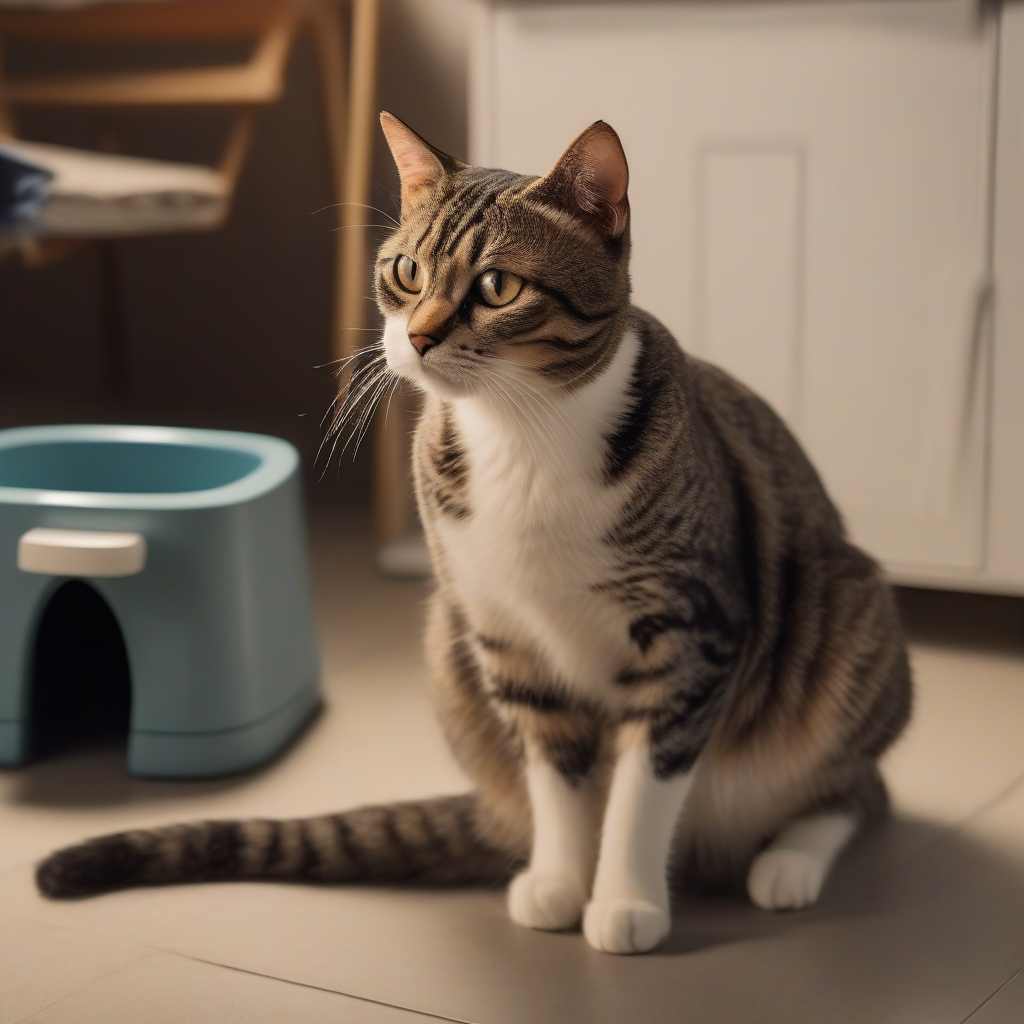
In this article, you will find 5 insidious neurophysiological effects of FLUTD (Feline Lower Urinary Tract Disease) on the brain-bladder axis and lifesaving scientific solutions for early detection of these 'hidden wars' in cats.

In this article, you will find comprehensive information on the insidious neurotoxic effects of lead poisoning on the bird's brain and lifesaving emergency intervention codes.
While cats possess a surprising ability to adapt to high-rise fall traumas, the insidious neurophysiological effects on their brain carry vital risks. In this article, we reveal 5 critical neurobiological effects your cat may experience after a fall and the lifesaving emergency intervention codes with scientific secrets.

In this article, you will discover how your rabbit copes with unexpected situations and its neurocognitive responses to non-routine events. Learn scientific secrets to enhance mental flexibility and manage stress.
Feline urinary tract issues often go unnoticed or are misinterpreted by owners, leading to complex and sometimes life-threatening conditions. Feline Lower Urinary Tract Disease (FLUTD) is a broad term encompassing various conditions affecting the lower urinary tract in cats. This syndrome covers a wide spectrum, from bladder inflammation (cystitis) to urinary crystals, blockages, and even stress-related behavioral changes. However, its most insidious aspect is that cats experience this condition as 'hidden bladder wars,' masterfully concealing their pain and discomfort from humans. As of May 2026, neurocognitive research in veterinary medicine reveals that FLUTD is not just a physical problem but also creates profound neurophysiological effects on your cat's brain-bladder axis. In this article, we will delve into the insidious effects of FLUTD on your cat's brain health and provide lifesaving scientific solutions to enable early detection of these 'hidden wars.'
FLUTD refers to a range of conditions affecting the lower urinary tract in cats. These conditions typically manifest with symptoms such as difficulty urinating (dysuria), frequent urination (pollakiuria), blood in the urine (hematuria), or urinating outside the litter box. However, cats, by nature, are masters at hiding their pain. Evolutionarily, showing signs of weakness meant vulnerability to predators. Therefore, cats tend to internalize pain and maintain normal behaviors. This state of 'hidden war' allows FLUTD to progress, leading to more severe health problems.
The cat's bladder is in constant communication with the brain via nerve networks. Irritation, inflammation, or blockages in the bladder send pain signals to the brain via the spinal cord. When chronic, these signals can cause lasting changes in the cat's central nervous system. This condition is called 'central sensitization,' meaning the brain starts to overreact even to stimuli that are not normally painful. This leads to the cat being in a constant state of discomfort and stress, without showing traditional signs of pain.
FLUTD can profoundly affect not only your cat's physical health but also their cognitive and behavioral well-being. Here are 5 insidious neurophysiological effects of these 'hidden bladder wars' on the brain:
The chronic pain and discomfort of FLUTD constantly activate your cat's stress response system (HPA axis). This leads to continuously elevated levels of stress hormones like cortisol. Chronic cortisol elevation can affect cognitive functions by impacting areas of the brain responsible for learning and memory, such as the hippocampus. Furthermore, your cat's immune system may weaken, making them more vulnerable to other health issues. Our article The Mystery of Your Cat's 'Silent Inflammation': 5 Hidden Neurobiological Triggers and Scientific Solutions to Strengthen Your Immune Shield! delves deeper into the connection between inflammation and the immune system.
As mentioned above, constant pain signals lead to 'central sensitization' in the brain. This means the cat becomes more sensitive to signals coming from its bladder. Even a normally tolerable sensation of fullness can be perceived as extremely painful. This can cause the cat to frequently visit the litter box but urinate very little each time. Additionally, the overall pain threshold decreases, and your cat may show sensitivity to touches or movements they previously did not react to.
The chronic discomfort caused by FLUTD can alter your cat's brain chemistry, paving the way for behavioral problems. Imbalances in neurotransmitters like serotonin and dopamine can lead to behaviors such as increased anxiety, depressive tendencies, aggression, or withdrawal. Your cat may play less, show a tendency to hide, or meow more than usual. Our article Your Cat's 'Silent Stress Signals': 5 Neurobiological Collapses in the Food Bowl and Scientific Shield Secrets for Healthy Digestion! sheds light on the effects of stress on behavior and its relationship with nutrition.
Chronic pain and stress can also disrupt your cat's sleep patterns. A constant feeling of discomfort prevents your cat from entering deep REM sleep, making it difficult for them to rest. This can lead to fatigue, irritability, and daytime sleeplessness. Disruptions in the brain areas regulating circadian rhythms have negative effects on overall health and behavior. For the potential of sudden routine changes to cause stress in your cat, it would be beneficial to read Your Cat's Brain's 'Expectation Code': 5 Insidious Neurobiological Collapses Triggered by Routine Changes and Scientific Secrets to Harmonious Living!.
Chronic pain and stress associated with FLUTD can also affect your cat's appetite and metabolic processes. Some cats may experience loss of appetite or weight loss, while others may develop stress-induced overeating. Stress hormones can affect glucose metabolism and fat storage, disrupting your cat's energy balance. This can lead to secondary health problems such as obesity or diabetes in the long run. For more information on the effects of nutrition on metabolism, you can review Your Cat's Hidden 'Carbohydrate Shock': 5 Insidious Neurobiological Collapses of Metabolic Rhythm and Energy Balancing Secrets!. Additionally, for insights into the effects of gut microbiota on overall health, check out our article Is Your Cat's Hidden 'Bacterial Defense Line' Collapsing? 5 Insidious Neurobiological Triggers of Dysbiosis and a Scientific Shield.
Given the insidious nature of FLUTD, early diagnosis and proactive management are crucial.
Consult your veterinarian immediately if you notice even the slightest change in your cat's behavior or urinary habits. Regular annual check-ups are critical for detecting hidden problems early. Urinalysis, blood tests, and imaging techniques will help determine the underlying cause of FLUTD.
Stress is a significant trigger for FLUTD. Enriching your cat's living environment helps reduce stress levels. High climbing areas, hiding spots, various toys, and regular play sessions enhance your cat's mental and physical well-being. Pheromone diffusers can also be effective in reducing stress in cats.
Special diets may be recommended by your veterinarian to support urinary tract health and prevent crystal formation. Adequate water intake is also critical for bladder health. Water fountains, different water bowls, or wet food can be ways to increase water consumption.
Your cat's 'Hidden Bladder Wars,' or FLUTD, is an insidious disease with profound effects at both physical and neurophysiological levels. Recognizing its symptoms and understanding the impact of chronic stress and pain on your cat's brain health are essential for early diagnosis and effective management. Remember, your cat is a master at hiding pain, but as a conscious owner, you can hear their silent cries and provide them with the comfortable life they deserve. By maintaining regular communication with your veterinarian and implementing the scientific solutions above, you can protect your cat's bladder health and help them live a happy, stress-free life.
