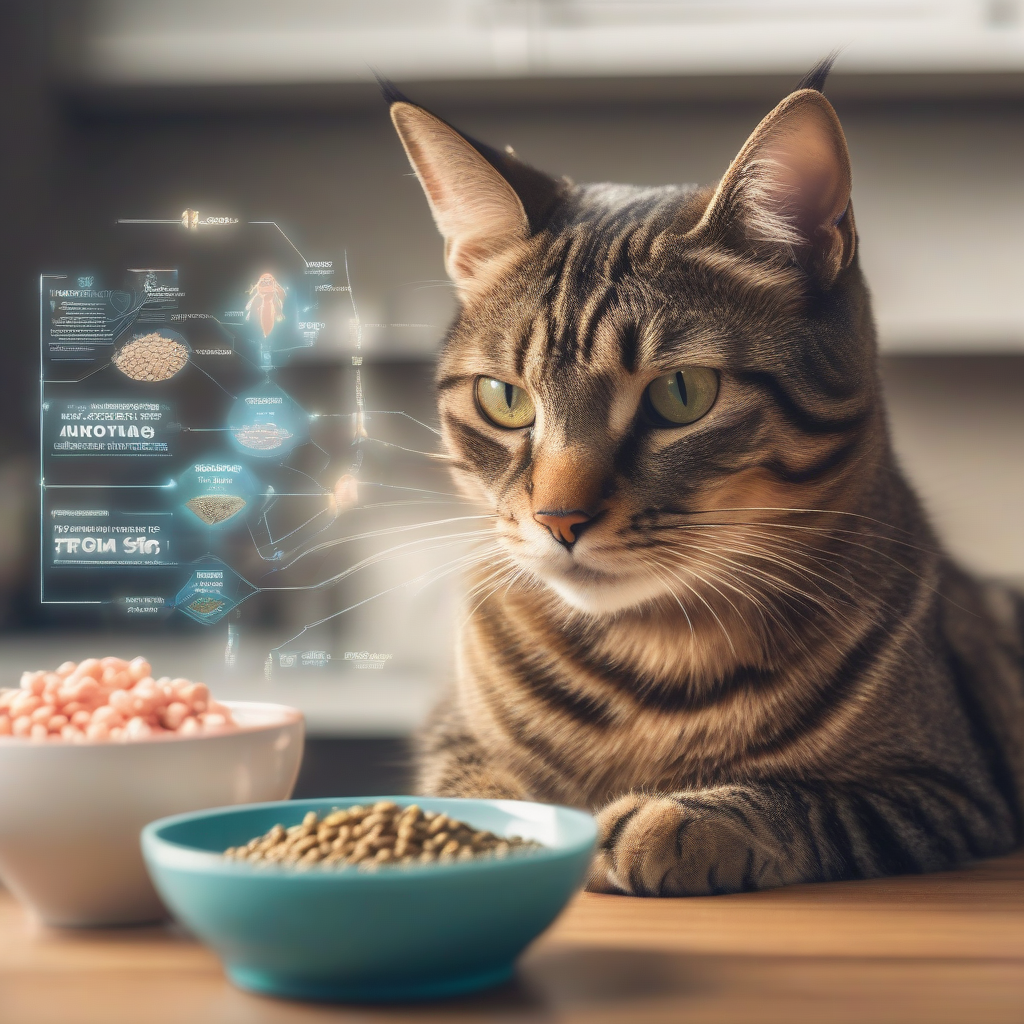
In this article, you will discover the insidious neurobiological effects of high-carbohydrate cat foods on feline body and brain health, contrary to their natural diet, and learn the scientific secrets to maintaining optimal energy balance.


While cats possess a surprising ability to adapt to high-rise fall traumas, the insidious neurophysiological effects on their brain carry vital risks. In this article, we reveal 5 critical neurobiological effects your cat may experience after a fall and the lifesaving emergency intervention codes with scientific secrets.

In this article, you will discover how your rabbit copes with unexpected situations and its neurocognitive responses to non-routine events. Learn scientific secrets to enhance mental flexibility and manage stress.

In this article, you will find comprehensive information on the insidious neurophysiological effects of seizures in cats' brains and lifesaving emergency intervention codes during a seizure.
Cats are, by nature, obligate carnivores. Their wild ancestors thrived on a diet rich in protein and fat, and extremely low in carbohydrates, consisting of the meat, organs, and bones of their prey. However, today's domestic cats are often fed commercial foods containing high amounts of grains, potatoes, or other starchy components. This situation can lead to unpredictable and insidious neurobiological effects on cats' delicate metabolic systems. Sudden drops in energy, mood swings, or unexpected weight issues in your cat's behavior could be the result of a 'hidden carbohydrate shock' in their food bowl.
In this comprehensive guide, we will scientifically examine how high-carbohydrate diets can cause a hidden collapse in your cat's body, particularly in the brain, disrupting its metabolic rhythm and hindering energy balance. Our goal is to unveil the keys to understanding your cat's internal biochemical balance, offering them a happier, healthier, and more energetic life.
A cat's digestive system and metabolism are optimized for deriving energy from protein and fat. Some enzymes necessary for carbohydrate digestion (e.g., amylase) are found at much lower levels in cats compared to humans and herbivores. This means that excess carbohydrates cannot be effectively broken down and instead enter a different metabolic pathway in the body. In the long term, this can lead to a series of neurobiological and physiological problems.
A high-carbohydrate diet causes a rapid surge in your cat's blood sugar. The body responds by releasing insulin, which can then lead to a sharp drop in blood sugar (hypoglycemia). This continuous "peak and trough" cycle makes it difficult to provide a stable energy source, especially for the brain. While the brain primarily needs glucose for energy, extreme fluctuations can impair neuronal function, affecting memory and learning processes. Chronically high insulin levels can also lead to insulin resistance over time, increasing the risk of type 2 diabetes and preventing nerve cells from effectively utilizing glucose. This can result in symptoms such as lethargy, lack of energy, and even cognitive decline in cats.
Nutrition profoundly influences brain chemicals that directly affect your cat's mood and behavior. Serotonin, in particular, is a crucial neurotransmitter associated with happiness, calmness, and well-being. Serotonin production relies on an amino acid called tryptophan. Diets rich in carbohydrates can affect the competition between tryptophan and other large neutral amino acids (LNAAs). High carbohydrate intake can accelerate the passage of LNAAs into the brain while relatively reducing tryptophan's access. This can negatively impact serotonin synthesis, paving the way for increased anxiety, irritability, and even aggressive behaviors in cats. You can explore your cat's emotional perceptions in more detail in our article Your Cat's Brain's 'Emotion Receptors': 5 Mysterious Neurobiological Secrets to Sensing Your Owner's Mood and Scientific Ways to Build a Deep Bond!.
The trillions of microorganisms (microbiota) living in your cat's intestines are critical not only for digestion but also for the immune system and brain health. High-carbohydrate diets can disrupt the cat's natural gut flora, leading to a condition known as "dysbiosis." This imbalance promotes the growth of harmful bacteria while reducing beneficial ones. The direct communication between the gut microbiota and the brain (the gut-brain axis) is severely affected by this imbalance. Dysbiosis can increase inflammatory responses, causing neuroinflammation in the brain and affecting neurotransmitter production (e.g., GABA), thereby negatively impacting your cat's cognitive functions and mood. In our article Your Cat's Hidden 'Gut Codes': 5 Shocking Neurochemical Effects of Probiotics on Brain Health!, you can discover the effects of probiotics on this axis more closely.
Free radicals produced during metabolism are unstable molecules that can damage cells. Normally, the body balances these free radicals through antioxidants. However, high-carbohydrate diets, especially with increased glucose metabolism, can elevate levels of oxidative stress. This challenges the body's antioxidant defense mechanisms and can lead to damage in cells, including neurons. Chronic oxidative stress in the brain can impair nerve cell function, accelerating cognitive decline, memory problems, and even neurodegenerative processes. This is also closely related to The Mystery of Your Cat's 'Silent Inflammation': 5 Hidden Neurobiological Triggers and Scientific Solutions to Strengthen Your Immune Shield!, as oxidative stress often triggers inflammatory processes.
Cats' energy levels and sleep patterns are inextricably linked to their metabolic health. High-carbohydrate diets can disrupt your cat's circadian rhythm (sleep-wake cycle) through blood sugar fluctuations and changes in gut microbiota. Particularly, sudden drops in blood sugar can lead to restlessness, frequent awakenings, and poor-quality sleep throughout the night. Chronically disrupted sleep can result in energy deficiency, lethargy, and daytime drowsiness. This negatively affects your cat's overall well-being and quality of life.
The key to preventing 'carbohydrate shock' in your cat's food bowl and balancing its metabolic rhythm is to offer a diet that aligns with its natural nutritional requirements.
Your cat's energy levels, mood, and overall health are directly linked to the small decisions made at the food bowl. 'Carbohydrate shock', with its insidious neurobiological effects, can silently diminish your cat's quality of life. By considering their natural nutritional requirements and providing a protein- and fat-rich, low-carbohydrate diet, you can balance your cat's metabolic rhythm, offering them a healthier, more energetic, and happier life. Remember, your cat's optimal well-being is in your hands!
