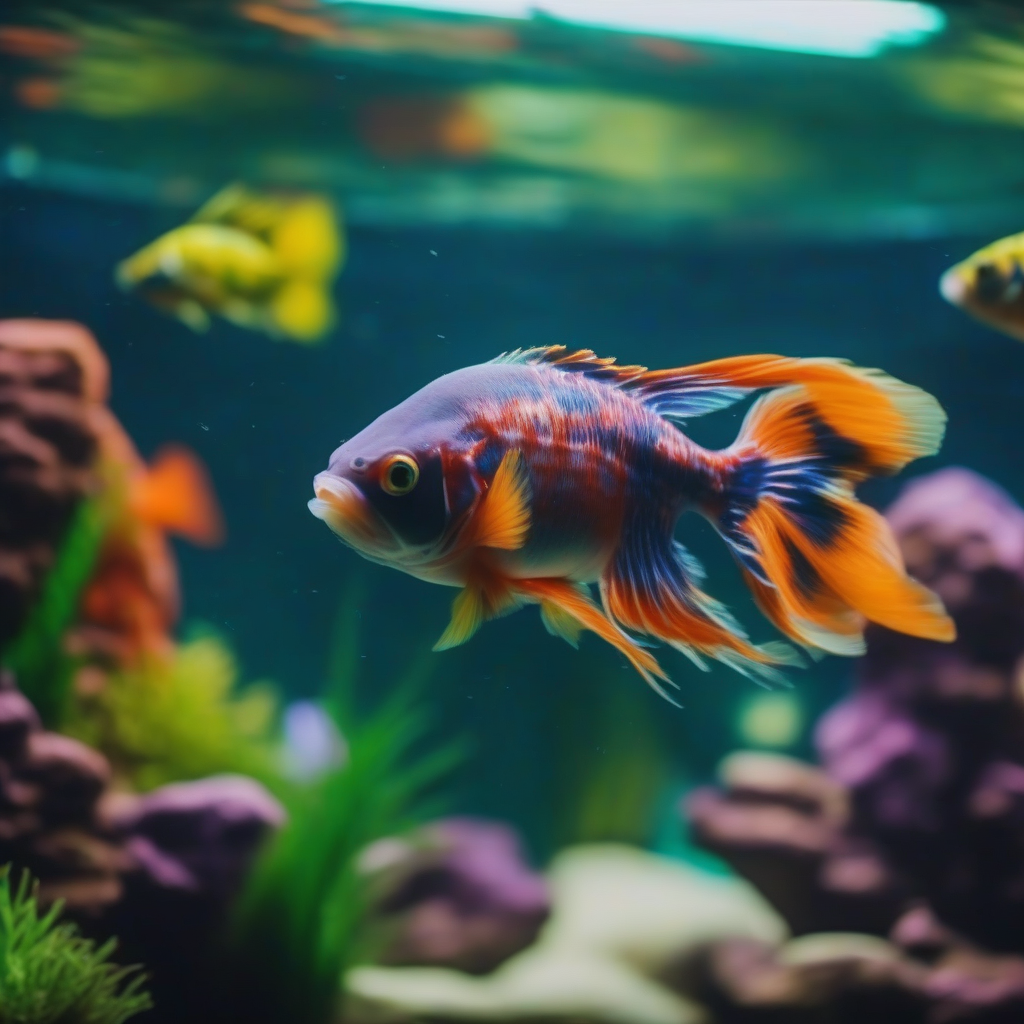
Discover 5 neurocognitive rules to understand the often-overlooked hierarchical dynamics in your aquarium's fish colony and how new individuals integrate into this complex social structure. A comprehensive guide with scientific strategies to reduce aggression, enhance harmony, and ensure your fish's well-being.


Discover the types of burns your dog can suffer, the 5 insidious neurophysiological effects these burns create in the brain and body, and lifesaving emergency intervention strategies in this comprehensive guide. We shed light on the dangers behind forgotten household accidents from a scientific perspective.

Discover the neurobiological signals of hidden stress your newly adopted cat experiences during adaptation to a new social environment. This article reveals 5 insidious signs of your cat's silent struggle and scientific strategies for peaceful, long-term harmony.

Your dog's anal sacs, located beneath the tail, can be hidden alarm bells often overlooked but profoundly affecting their quality of life. In this article, you will discover the 5 insidious neurobiological effects of anal sac problems on the brain and the lifesaving care secrets you need to know for your furry friend to live a peaceful life.
Aquariums are not just colorful display areas but miniature ecosystems where complex social dynamics of living creatures unfold. Although often overlooked, fish, like other vertebrates, establish their own hierarchical structures, and these structures are vital when adopting a new fish. Introducing a new individual to an aquarium can upset existing balances, leading to stress and even aggression. So, how can we understand this hidden hierarchy in a fish colony and ensure the social adaptation of newcomers using scientific methods? Neurocognitive science sheds light on these questions, allowing us to delve into the depths of fish social behaviors.
Fish have far more complex social interactions than we might imagine. Social hierarchy refers to the dominance and submission relationships among members of a group. These structures become more pronounced, especially in schooling fish or species that defend specific territories. The brains of fish have specialized neural networks to perceive other individuals in their environment, assess their social status, and react accordingly.
Fish use both visual and chemical signals in the aquatic environment to perceive social hierarchy. Visually, a fish's size, color intensity, fin condition, and specific postures can indicate social status. These visual signals become even more pronounced during breeding seasons or competitive moments. Chemically, fish can glean information about each other's physiological states and even stress levels through pheromones. For instance, a dominant fish can influence the behavior of others by releasing specific chemicals. These neurocognitive processes allow each fish's brain to create a “social profile” of others, which plays a critical role in determining their hierarchical positions. This understanding is also crucial for comprehending the stress fish experience during the adaptation process to a new environment. For more information, you can refer to our article: Your Fish's New Home Stress: The Hidden Neurocognitive Map of Adaptation and Peace-Oriented Scientific Harmony Strategies!.
When a new fish is added to an aquarium, the existing hierarchy is disrupted, and a transition period ensues until a new balance is established. During this period, behaviors such as aggression, stress, and social exclusion can be observed.
When there is insufficient space or hiding places in the aquarium, existing fish may exhibit territorial aggression towards the newcomer. This aggression can manifest as biting, chasing, or fin nipping. Brain regions like the amygdala activate neural pathways that trigger aggressive responses when a threat is perceived or territorial boundaries are violated. This translates to high-stress levels for both the newcomer and the existing fish. Our article, The 'Neurocognitive Shield' of Live Plants in Fish Aquariums: 5 Unknown Effects of Hiding Spaces and Stress Management Secrets!, offers important tips on this topic.
Social hierarchy has direct effects on the physiology of fish. In fish with low social status or those constantly under attack, levels of stress hormones like cortisol increase. Chronic stress can weaken the immune system, reduce growth rates, and negatively impact reproductive success. This highlights the importance of understanding the 'stress sirens' in a fish's brain. Our article, Your Fish's Secret Mind Map: 5 Neurocognitive Secrets to Hearing the 'Stress Sirens' in the Aquarium, will help you decipher these signals.
When introducing a new fish to a colony, simply releasing it into the aquarium is not enough. With scientifically proven strategies, you can minimize hierarchical tensions and maximize your fish's social well-being.
Providing sufficient hiding places helps new fish avoid stress and limit aggressive interactions. Plants, caves, or decorative structures make fish feel secure. This creates a perception of a safe environment in their brains, reducing the release of stress hormones and improving their neurocognitive well-being. These areas are vital, especially to escape constant pursuit by dominant fish.
Many fish species socialize best within a specific group size and sex ratio. For example, some schooling fish can be more stressed and aggressive when kept alone or in very small numbers. A sufficient number of individuals can diffuse aggression and reduce the likelihood of any single fish becoming a 'target'. Sex ratios are also important; too many males in some species can lead to territorial fights. To overcome the neurocognitive hurdles encountered during new tank mate acceptance, you can benefit from the article Your Fish's 'Aquarium Social Intelligence': 5 Hidden Neurocognitive Hurdles of Meeting a New Tank Mate and Harmony Secrets.
Social adaptation doesn't end with just adding new fish. The aquarium environment and its management must consistently meet the social needs of fish for long-term well-being.
Feeding times and food quantity can trigger competition among fish. Distributing food to different parts of the aquarium or using different types of food can prevent the most dominant fish from monopolizing all the food. This ensures that every fish receives adequate nutrition, reducing stress and aggression over food resources. Hunger and satiety signals in the brain can directly influence competitive behaviors; thus, a balanced feeding strategy also contributes to social balance.
Regularly observing your fish's behavior allows you to detect potential hierarchy problems or signs of stress early. Signs such as excessive hiding, frayed fins, loss of appetite, or constant chasing can indicate social imbalance in the aquarium. Early intervention can prevent more serious health problems or inter-colony aggression. Through these observations, you can gain valuable insights into your fish's neurocognitive states and increase harmony by making environmental adjustments when necessary.
Understanding the hidden hierarchy in a fish colony and ensuring the social adaptation of new individuals is one of the most rewarding aspects of the aquarium hobby. With scientific strategies, you can ensure your fish not only survive but also thrive and live peacefully in your aquarium. Remember, every fish can exhibit individual differences; therefore, observation and patience are key to successful aquarium management.
