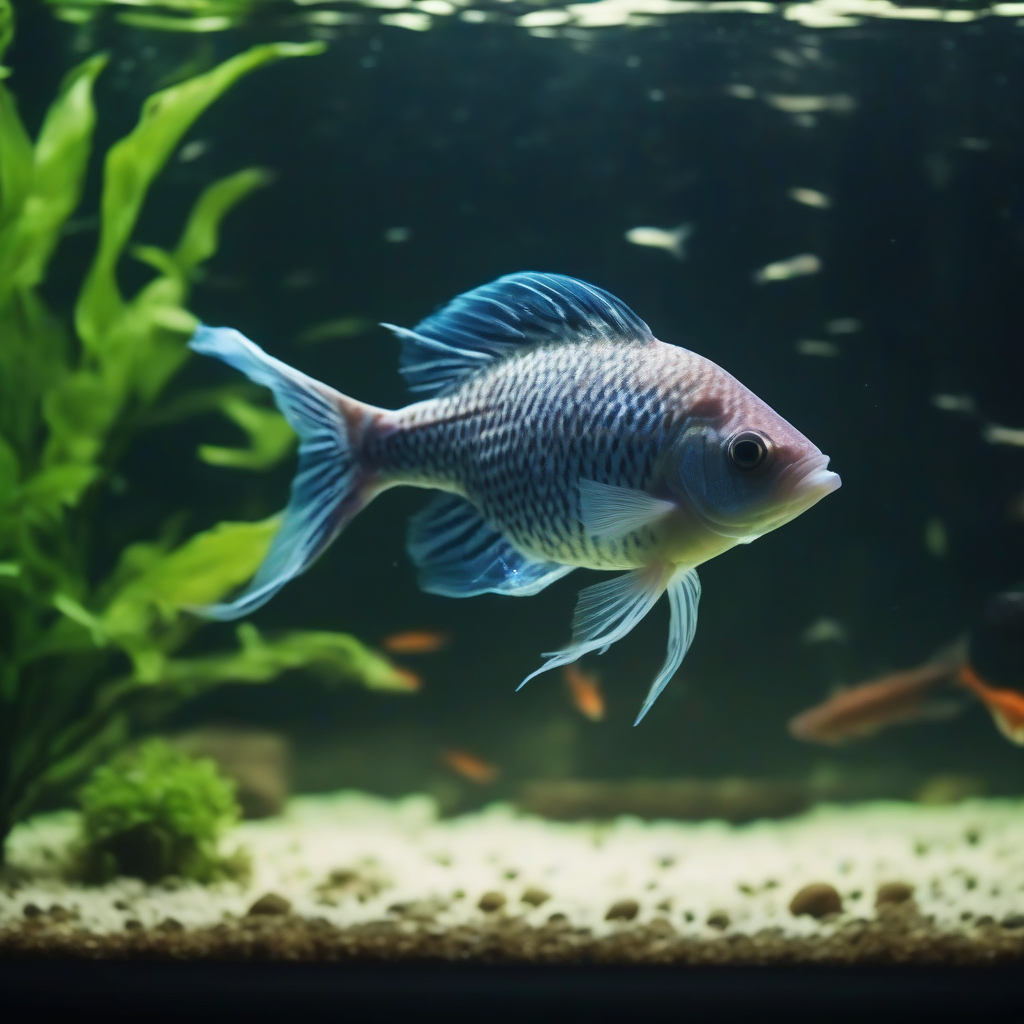
In this article, discover the profound neurobiological effects of aquarium lighting on fish circadian rhythm, color perception, and overall well-being, and learn scientific strategies to create an optimal light balance in your aquarium.


In this article, you will discover the little-known but profound effects of the acoustic environment in rabbit living spaces on their brain health and general well-being, exploring the neurobiological consequences of both sound deprivation and overstimulation, and scientific secrets to creating a peaceful environment. Understand and optimize your rabbit's world with expert tips.

In this article, you will find comprehensive information about the insidious neurobiological effects of artificial colorings, preservatives, and flavors found in commercial bird feeds on your bird's brain health and mental vitality. We explore scientific nutritional secrets to combat these hidden dangers, shedding light on a wide spectrum of effects from behavioral changes to cognitive decline.

In this article, you can discover the scientific secrets to understanding your cat's undesirable habits, deciphering the neurocognitive mechanisms in their brain, and establishing lasting new routines.
Caring for aquarium fish involves many details, from balancing water chemistry to selecting the right food. However, there's a crucial factor often overlooked but vital for fish's physiological and neurobiological health: Lighting. Beyond merely a visual stimulus, light is a powerful environmental signal that shapes their biological clock, mood, and even reproductive behaviors. Correct lighting strategies not only enhance the aesthetic appeal of your aquarium but also scientifically proven ways to improve your fish's quality of life.
In this article, we will delve into the profound neurobiological effects of aquarium lighting on fish circadian rhythm, color perception, and overall well-being. We will also explore 5 scientific strategies to help you establish an optimal light balance in your aquarium.
Like all living beings, fish possess a 24-hour biological clock, known as the circadian rhythm. Light is the most potent synchronizer of this rhythm. A regular light/dark cycle in the aquarium ensures the correct timing for the secretion of hormones like melatonin and cortisol. Melatonin, secreted in darkness, promotes sleep and rest, while cortisol, released in light, supports activity and wakefulness. Incorrect or irregular lighting disrupts this hormonal balance, leading to chronic stress. This can weaken the fish's immune system, reducing their resistance to diseases and potentially shortening their lifespan in the long run.
An optimal light/dark cycle (typically 10-14 hours of light, with the rest in darkness) helps fish maintain their natural sleep patterns and regulate metabolic processes. This also positively influences their adaptation to a new aquarium environment, reducing stress levels and ensuring a peaceful transition. For more details on this topic, you can read Your Fish's New Home Stress: The Hidden Neurocognitive Map of Adaptation and Peace-Oriented Scientific Harmony Strategies!.
Fish perceive a different spectrum of colors than humans, profoundly influencing their interactions with their environment, hunting strategies, and reproductive behaviors. Different photoreceptors (cones) in fish eyes are particularly sensitive to blue and green spectra, and some species can even detect UV light. The color temperature (Kelvin) and spectrum of light in the aquarium directly affect fish communication (e.g., color changes), mate selection, and camouflage abilities within their species. Lighting with the correct spectrum allows fish to display their natural colors more vibrantly, contributing to their neurocognitive development and promoting more active and healthy lives.
While excessive blue or UV light can cause stress or vision problems in some fish species, spectra closest to natural sunlight encourage innate behaviors, helping them be less stressed and exhibit more natural behaviors in the aquarium. Understanding lighting parameters is crucial to hearing the 'stress sirens' in the aquarium.
Lighting directly impacts fish's stress responses and overall mood by regulating levels of neurotransmitters (serotonin, dopamine) and hormones (cortisol). Continuously high light intensity or irregular light cycles can increase cortisol levels, a chronic stress hormone, in fish. This can lead to behavioral changes such as anxiety, hiding, loss of appetite, and aggression. Conversely, an adequate and regular photoperiod reduces stress levels, promoting the release of feel-good neurotransmitters like endorphins and serotonin.
Proper lighting also supports the creation of hiding spaces necessary for fish to feel secure. Shaded areas created by plants or decorations allow fish to escape excessive light and rest. Incorrect lighting is one of the hidden behavioral traps triggering stress in the aquarium; therefore, carefully observing your fish's behavior and optimizing your lighting settings is of paramount importance.
Aquarium lighting directly affects not only the fish but also the plant life within the aquarium. Through photosynthesis, plants consume carbon dioxide and release vital oxygen, significantly improving water quality. Sufficient light ensures healthy plant growth, which helps absorb harmful substances like nitrates, thus creating a cleaner and more balanced aquatic environment. Optimal water quality is essential for the proper functioning of fish's neurophysiological systems. For more information, you can refer to Your Fish's 'Mysterious Water Chemistry' Secrets: 5 Sensitive Parameters and Scientific Care Strategies in the Aquarium.
Healthy vegetation also provides natural hiding and exploration areas for fish. This biodiversity enhances fish's mental stimulation, reduces stress levels, and allows them to exhibit natural behaviors. To learn more about the 'neurocognitive shield' role of plants, explore our article: The 'Neurocognitive Shield' of Live Plants in Fish Aquariums: 5 Unknown Effects of Hiding Spaces and Stress Management Secrets!.
Every fish species has different lighting requirements. A correct lighting strategy should focus on mimicking the natural habitats of the fish species in your aquarium. For example:
Aquarium lighting is a critical care factor that affects not only the aesthetic appearance of your fish but also their profound neurobiological systems. Viewing lighting not as a luxury but as a fundamental requirement for fish health and well-being will elevate your aquarium hobby on a scientific basis. By implementing the correct lighting strategies, you can ensure your fish live healthier, happier, and longer lives, displaying their natural behaviors. Remember, every detail profoundly affects the well-being of your aquarium inhabitants. Make informed choices and illuminate the mysteries of your underwater world with science.
