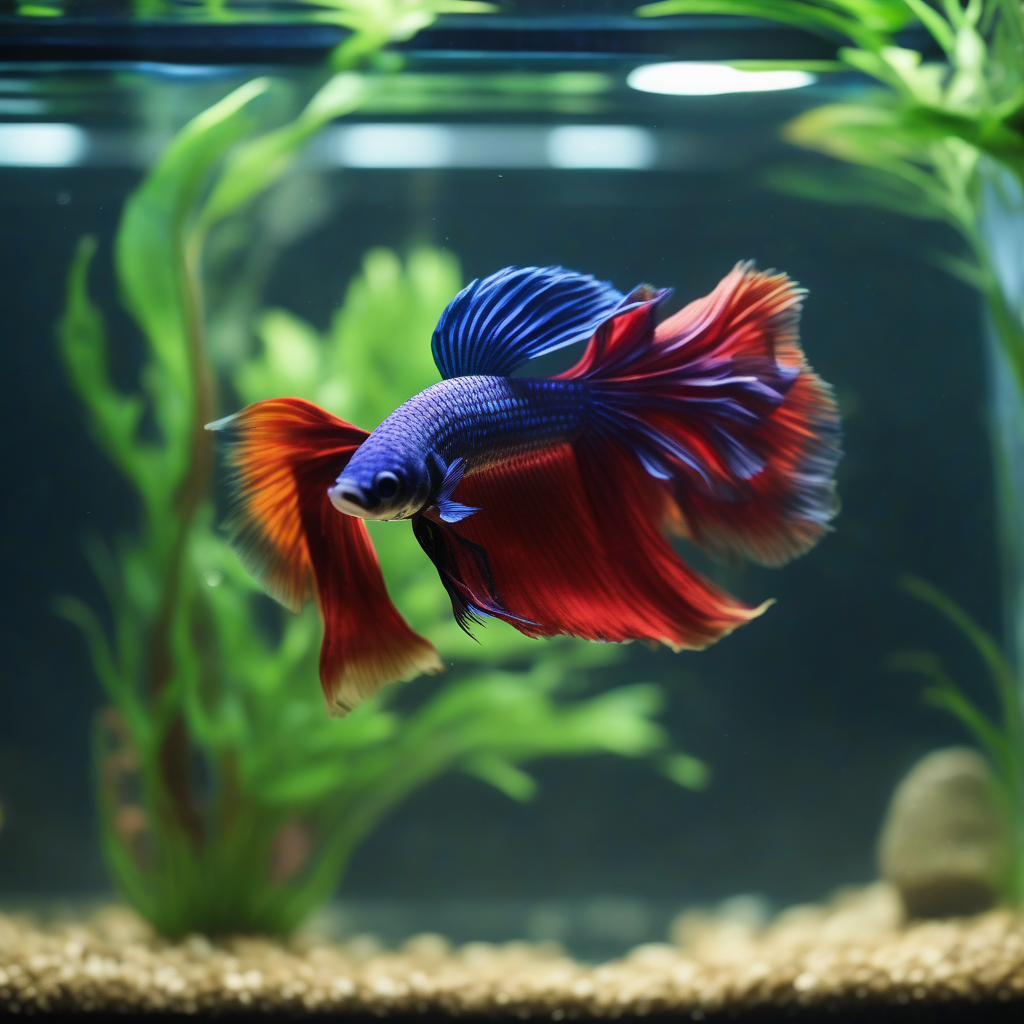
In this article, you will find comprehensive information about the hidden details of your fish's aquarium water chemistry and the importance of sensitive parameters for a healthy life.


Discover the types of burns your dog can suffer, the 5 insidious neurophysiological effects these burns create in the brain and body, and lifesaving emergency intervention strategies in this comprehensive guide. We shed light on the dangers behind forgotten household accidents from a scientific perspective.

Discover the neurobiological signals of hidden stress your newly adopted cat experiences during adaptation to a new social environment. This article reveals 5 insidious signs of your cat's silent struggle and scientific strategies for peaceful, long-term harmony.

Your dog's anal sacs, located beneath the tail, can be hidden alarm bells often overlooked but profoundly affecting their quality of life. In this article, you will discover the 5 insidious neurobiological effects of anal sac problems on the brain and the lifesaving care secrets you need to know for your furry friend to live a peaceful life.
Your fish's health and well-being are not limited to just food selection or decoration. In fact, the water chemistry, which we cannot see visually but directly affects their quality of life, is one of the most critical aspects of aquarium management. These creatures, which attract attention with their vibrant scales and energetic movements, are actually part of highly sensitive ecosystems. In this article, we will dive into the depths of your fish's aquarium's mysterious water chemistry, discover 5 critical parameters that can be overlooked, and explore how to manage these parameters with scientifically based strategies.
Ammonia, one of the most dangerous substances in an aquarium, originates from fish waste, undigested food, and decaying organic matter. Ammonia can rapidly lead to fish poisoning by damaging their gills and nervous system. Fortunately, beneficial bacteria convert this ammonia into nitrite, which is less harmful. However, nitrite can also impair gill function, preventing oxygen uptake. This duo can be called the 'invisible poisons' of the aquarium. A sudden rise in these values in newly established aquariums or with dense fish populations can pose a deadly threat to your fish.
Scientific Solutions:
Nitrate, following nitrite, is produced by harmful bacteria. While not as acutely toxic as ammonia and nitrite, it can weaken the fish's immune system over time, cause stunted growth, and even lead to stress-related diseases. Excessive nitrate buildup is like 'silent inflammation' in the aquarium; it's not immediately noticeable but severely degrades fish health over time. High nitrate levels, especially for sensitive fish species, negatively affect overall well-being.
Scientific Solutions:
pH indicates the acidity or alkalinity of the water. Each fish species is known to thrive best within a specific pH range. Different fish species have adapted to different pH levels. For instance, some tropical fish prefer slightly acidic water, while some freshwater species may prefer neutral or slightly alkaline waters. Sudden fluctuations in pH can irritate fish gills, cause stress, and even disrupt cell functions. This is an indication that they live in a 'secret balance maze'.
Scientific Solutions:
GH (General Hardness) refers to the amount of dissolved minerals, especially calcium and magnesium, in the water. KH (Carbonate Hardness) indicates the presence of calcium carbonate and magnesium carbonate and plays a critical role in stabilizing pH. These values are vital for fish, particularly for bone health, osmoregulation (balancing body fluids), and even reproductive success. Our article Your Fish's Secret Calcium Traps in the Aquarium: 5 Insidious Neurological Triggers Sabotaging Bone Health and Lifesaving Scientific Care Secrets! discusses this topic in more detail.
Scientific Solutions:
Fish need water to breathe, and this breathing process occurs thanks to dissolved oxygen in the water. As water temperature rises, the amount of dissolved oxygen decreases. Additionally, excessive biological load or inadequate aeration can also lower oxygen levels. Low dissolved oxygen levels cause your fish to struggle to breathe, become stressed, and become more susceptible to diseases. This is the 'invisible life source' in the aquarium, and its deficiency may not be immediately apparent, but its consequences can be devastating.
Scientific Solutions:
Understanding and managing the 'hidden world' of water chemistry in your fish's aquarium is one of the most important steps to ensure they lead a healthy, happy, and long life. By implementing these science-based strategies, you can make your aquarium not only visually appealing but also a safe and peaceful living space for your fish.
