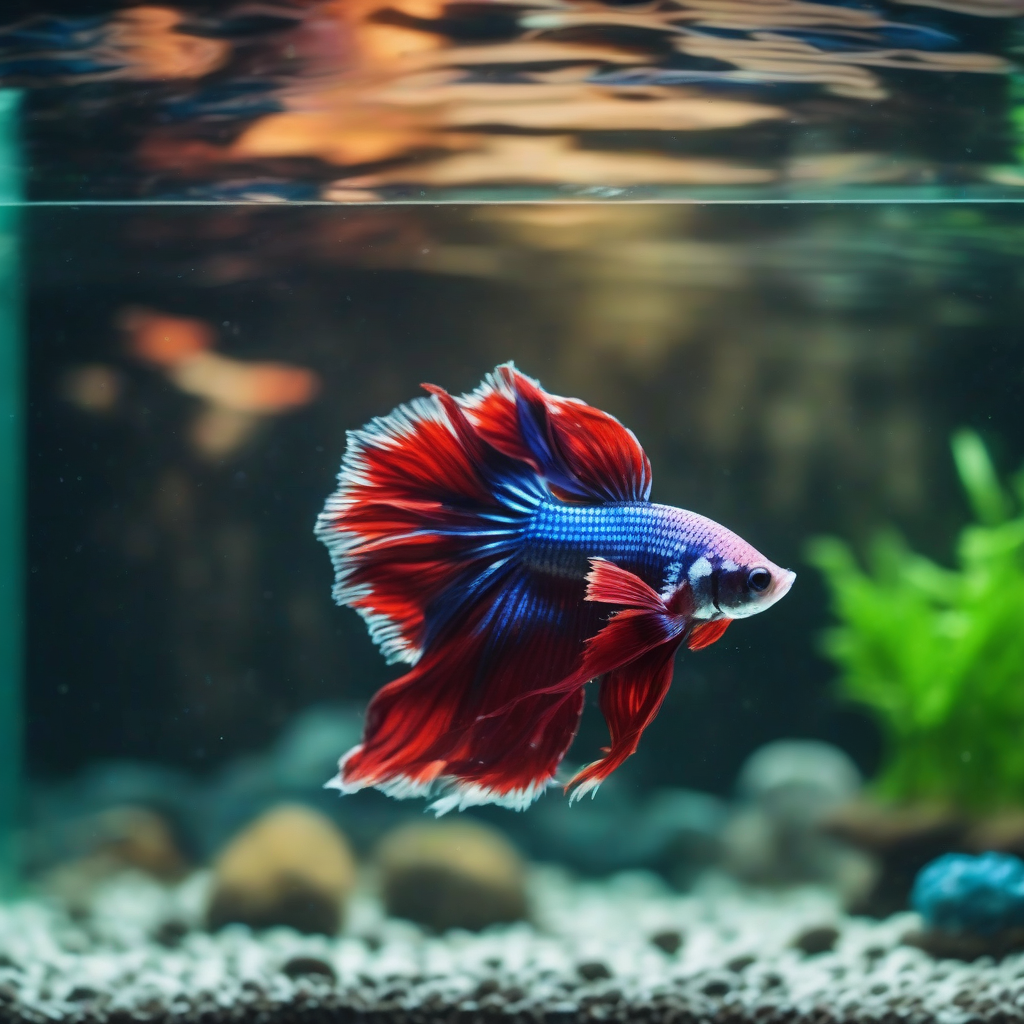
In this article, discover the 5 hidden neurometabolic dangers behind 'silent inflammation' in fish aquariums and scientific solutions to prevent them.


Discover the types of burns your dog can suffer, the 5 insidious neurophysiological effects these burns create in the brain and body, and lifesaving emergency intervention strategies in this comprehensive guide. We shed light on the dangers behind forgotten household accidents from a scientific perspective.

Discover the neurobiological signals of hidden stress your newly adopted cat experiences during adaptation to a new social environment. This article reveals 5 insidious signs of your cat's silent struggle and scientific strategies for peaceful, long-term harmony.

Your dog's anal sacs, located beneath the tail, can be hidden alarm bells often overlooked but profoundly affecting their quality of life. In this article, you will discover the 5 insidious neurobiological effects of anal sac problems on the brain and the lifesaving care secrets you need to know for your furry friend to live a peaceful life.
The quality of life for our fish in the aquarium involves much more than just visible health. Insidious, unnoticed conditions, known as 'silent inflammation,' can seriously threaten our fish's well-being. These conditions lead to the immune system being constantly active, negatively impacting overall health and paving the way for more serious diseases over time. So, what are these hidden dangers, and how can we prevent them in our aquariums?
Many aquarium owners focus on the visible clarity of the water. However, even low levels of substances like ammonia, nitrite, and nitrate can lead to silent inflammation in the fish's metabolism. These toxins seep into the fish's gills and bloodstream, causing cellular stress. Stress suppresses the immune system, triggering inflammation instead of letting it combat it.
Our fish's dietary needs vary greatly depending on their species. Incorrect or low-quality food can lead to digestive system problems. These issues hinder nutrient absorption and cause the proliferation of unwanted bacteria in the gut. This imbalance in the gut microbiome directly affects the immune system, triggering chronic inflammation.
An overcrowded aquarium causes constant stress for fish. Lack of adequate social interaction, competition for space, and no escape routes trigger the fish's physiological stress response. Chronic stress elevates levels of stress hormones like cortisol, which suppresses the immune system and accelerates inflammatory processes. Inadequately designed aquariums, such as a lack of hiding places or an overly simplistic substrate setup, can further exacerbate this stress. Articles such as Your Fish's Secret Aquarium Logic: 5 Insidious Neurocognitive Keys to Meeting New Neighbors and Harmony Secrets! and Your Fish's 'Hidden Sensor Map' in the Aquarium Substrate: 5 Neurocognitive Effects of Sand and Gravel Selection and Scientific Design Secrets to Zero Out Stress! provide more details on this issue.
The duration and intensity of aquarium lighting directly affect the fish's circadian rhythms. Excessive or insufficient lighting can lead to hormonal imbalances and stress. Similarly, sudden and large fluctuations in water temperature are a major stress factor for fish. Inconsistencies in these external factors can disrupt the immune system's balance, leading to increased inflammation.
The skin mucosa and gills, the primary points of contact between fish and the external environment, are a critical part of the immune system. Damage to this barrier facilitates the entry of pathogens into the body and triggers a chronic inflammatory response. Poor water quality, chemicals, or physical trauma can weaken this barrier. Articles like Your Fish's 'Invisible Shield': 5 Insidious Neuroimmune Secrets of Skin Mucosa and Holistic Health Protocols! and Your Fish's 'Breathing Crises': 5 Neurophysiological Signals of Acute Oxygen Deprivation and Lifesaving Scientific Interventions offer detailed information on this subject.
Understanding and taking proactive measures against these 'silent inflammation' traps is the key to ensuring our fish live long, healthy, and stress-free lives. Remember that your aquarium is an ecosystem, and consciously manage how each component affects your fish's health.
