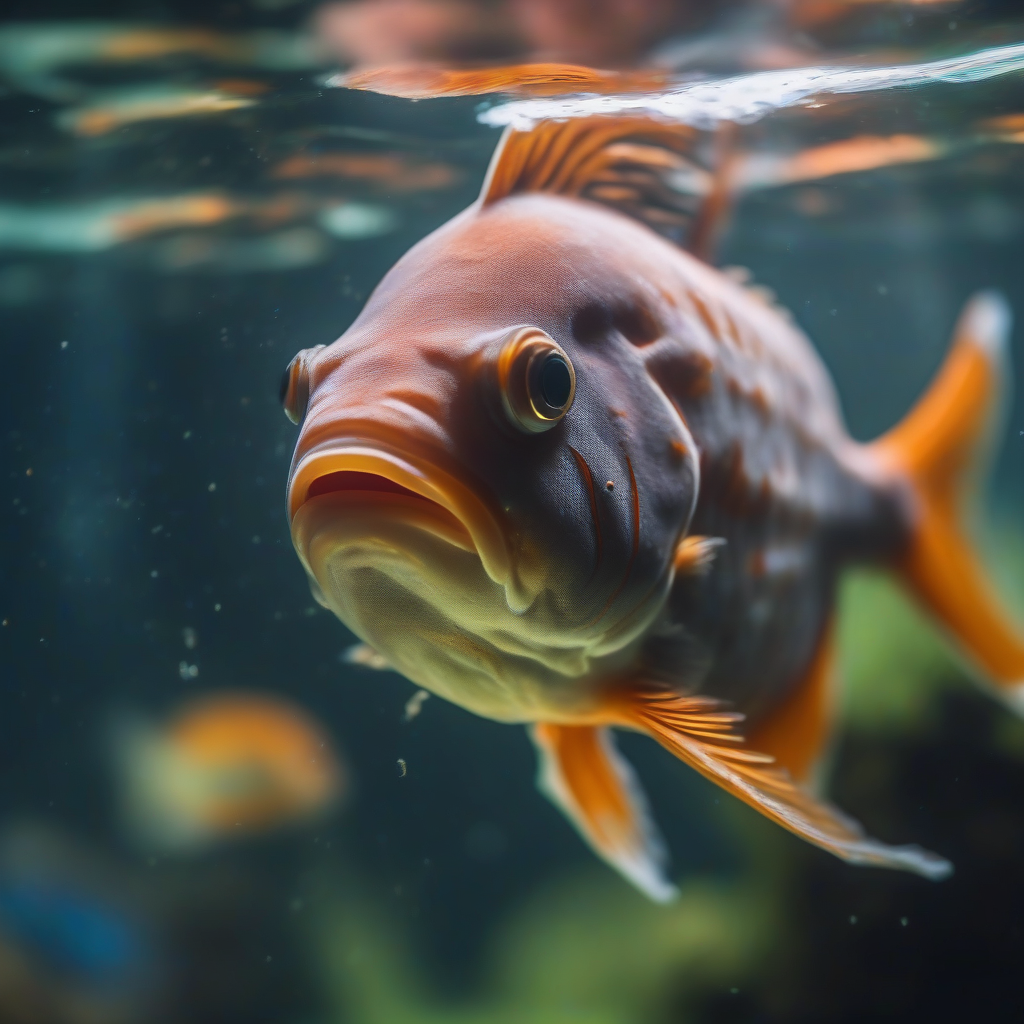
In this article, you will learn how to decipher your fish's mind map to perceive the stress sirens in the aquarium and how to respond with scientific solutions.


Discover the types of burns your dog can suffer, the 5 insidious neurophysiological effects these burns create in the brain and body, and lifesaving emergency intervention strategies in this comprehensive guide. We shed light on the dangers behind forgotten household accidents from a scientific perspective.

Discover the neurobiological signals of hidden stress your newly adopted cat experiences during adaptation to a new social environment. This article reveals 5 insidious signs of your cat's silent struggle and scientific strategies for peaceful, long-term harmony.

Your dog's anal sacs, located beneath the tail, can be hidden alarm bells often overlooked but profoundly affecting their quality of life. In this article, you will discover the 5 insidious neurobiological effects of anal sac problems on the brain and the lifesaving care secrets you need to know for your furry friend to live a peaceful life.
Fish, with their calm and silent appearance, are often perceived by observers as creatures lacking deep mental activity. However, this misconception stems from not fully understanding their complex neurocognitive worlds and their sensitivity to environmental influences. Especially in the aquarium environment, there are 'stress sirens' that fish cannot express on their own but can be detected with careful observation. As WikiPet, we will illuminate 5 critical neurocognitive secrets that will help you decipher your fish's hidden mind map and maximize their well-being.
Fish coping mechanisms for stress differ significantly from those of mammals. In many fish species, instead of sudden and obvious reactions, more subtle and long-term neurocognitive changes are observed. These changes can manifest both physically and behaviorally. Even minor changes in aquarium conditions can trigger fish's neurological systems, causing them to emit stress signals unknowingly.
While fish can be social creatures, they can also be highly sensitive to their own 'personal space.' Introducing a new fish species into the aquarium can trigger a 'territorial invasion' alarm on the neurological maps of existing inhabitants. This can lead to sudden aggressive behaviors, hiding tendencies, or cessation of feeding. Understanding how your fish reacts to this situation is the first step to comprehending their social intelligence and adaptability.
Lighting in the aquarium profoundly affects fish's circadian rhythms and overall mood. Sudden or irregular light changes can stimulate fish's neurocognitive systems, leading to stress responses. Especially sudden bright light changes at night can cause fish to enter a 'hidden danger' mode. This can disrupt their sleep patterns and negatively impact their overall health.
Water current plays a critical role in fish perceiving their living space. Overly strong or weak currents can continuously stimulate fish's neurological systems, leading to fatigue and stress. Excessive current forces fish to expend energy constantly swimming against it, while very weak currents can lead to stagnation and a drop in oxygen levels. The correct current level helps fish determine their 'safe movement' zones.
Fish feeding preferences are not limited to hunger instincts. The neurocognitive effects of food ingredients, the sensitivity of taste buds, and even the texture of the food play a significant role in fish's food selection. Incorrect or low-quality foods can lead to hidden 'neurological conflicts' in the digestive system, negatively impacting their overall health and mental state. Species-specific nutrition directly affects their brain chemistry.
The aquarium substrate is not just a surface for fish; it is also a source of sensory input. Different substrate materials like sand, gravel, or plant cover affect fish's sense of touch and how they perceive their living environment. Rough or unsuitable substrates can damage fish fins and cause stress. Furthermore, the cleanliness and order of the substrate directly impact fish's perception of a 'safe zone.'
Understanding your fish's mind map allows you to better interpret their behavior and shape the aquarium environment according to their neurocognitive needs. This is the key to maximizing not only your fish's physical health but also their mental well-being.
