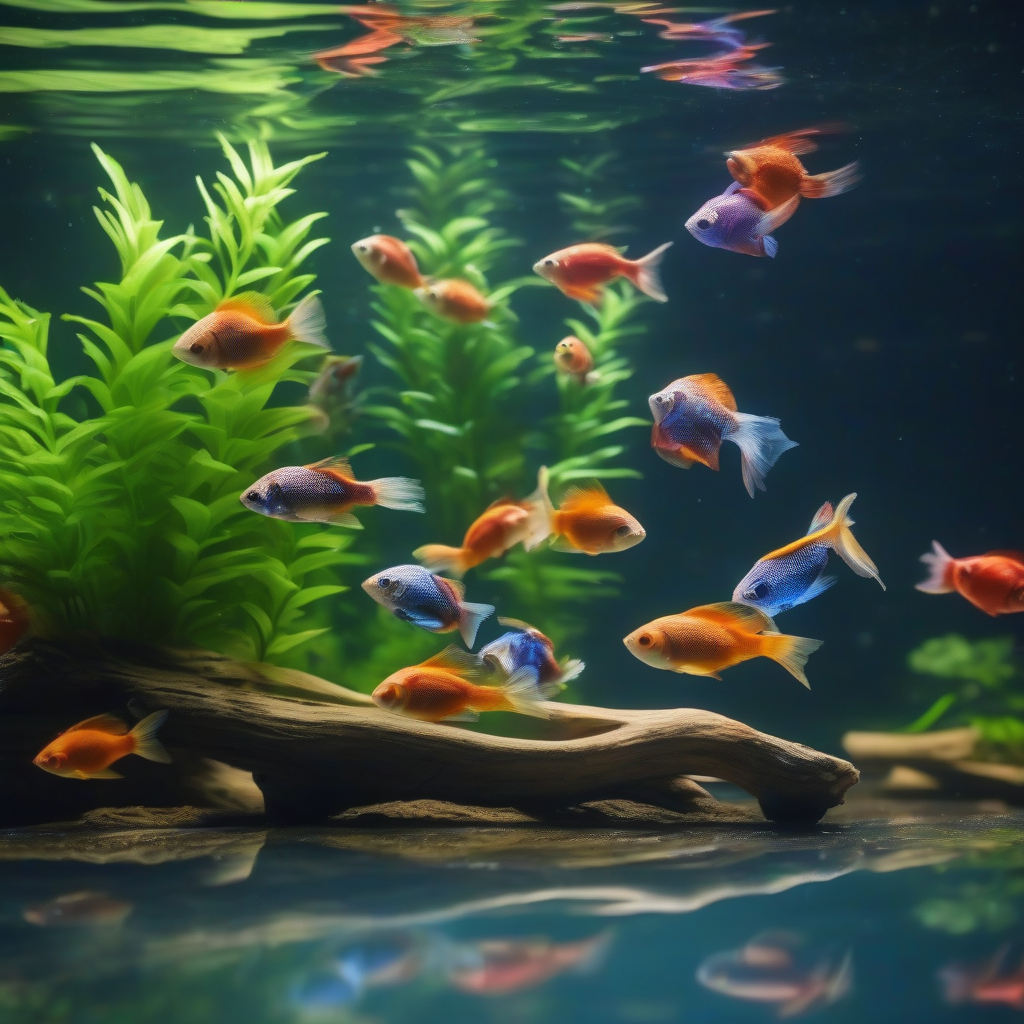
In this article, discover the hidden neurocognitive hurdles in your fish's social intelligence when meeting a new tank mate and scientific harmony secrets to facilitate these processes.


In this article, you can discover the scientific secrets to understanding your cat's undesirable habits, deciphering the neurocognitive mechanisms in their brain, and establishing lasting new routines.

Discover the types of burns your dog can suffer, the 5 insidious neurophysiological effects these burns create in the brain and body, and lifesaving emergency intervention strategies in this comprehensive guide. We shed light on the dangers behind forgotten household accidents from a scientific perspective.

Discover the neurobiological signals of hidden stress your newly adopted cat experiences during adaptation to a new social environment. This article reveals 5 insidious signs of your cat's silent struggle and scientific strategies for peaceful, long-term harmony.
Your aquarium is more than just a glass box; it's a complex ecosystem for the creatures living within it. One of the most critical elements of this ecosystem is your fish's social interactions. While introducing a new tank mate can be an exciting step for many aquarium hobbyists, it harbors deep neurocognitive processes that should not be overlooked. Although fish may not possess the same complex social intelligence as humans, their responses to their environment and other beings are shaped by quite sophisticated neurocognitive mechanisms. In this article, we will delve into the 5 hidden neurocognitive hurdles your fish face when meeting a new tank mate and the scientific ways to overcome these hurdles and ensure harmony.
Fish heavily rely on chemical signals, namely pheromones, to recognize other beings in their environment and identify potential threats or social partners. When a new fish enters the aquarium, these unknown scents suddenly appearing in the water can have a surprisingly potent neural effect on the existing inhabitants. This acts like an 'alarm bell,' triggering a defensive or avoidance response. Some fish species tend to perceive these new pheromones as a threat. This can be the first step towards aggressive behavior towards the newcomer.
To manage this neural trigger, instead of releasing the new fish directly into the main aquarium, methods like observing the new fish in a quarantine tank for a few days and adding some water from the main aquarium to the quarantine tank can help the pheromones adapt gradually. This encourages the existing inhabitants to become desensitized to the new pheromones, reducing the initial shock of the first encounter. Our article, Your Fish's Secret 'Cognitive Harmony' Code: 5 Neurocognitive Keys to Meeting New Neighbors in the Aquarium, also discusses the neurocognitive foundations of this adaptation process.
Fish tend to establish and defend their territories. When a new fish enters an existing territory, it can create a visual conflict. Especially when dealing with fish of the same species or similar appearance, existing inhabitants may perceive the newcomer as a rival or threat. This sense of 'visual space deficiency' leads to the secretion of stress hormones and an increase in aggressive behaviors. The visual processing centers in fish brains may interpret this sudden visual change as a potential danger.
Modifying the aquarium layout, creating visual barriers (e.g., adding more plants, decorations, or rocks), and initially placing the new fish in a smaller, separate section can be effective in reducing this visual conflict. This allows the existing fish to manage their sense of 'boundaries' and realize that the newcomer is not a threat. In our article, Fish Aquarium 'Light Fluctuations': 5 Insidious Neurobiological Triggers of Invisible Stress and Scientific Solutions, we touch upon the effects of environmental factors on the fish nervous system.
Many fish species tend to establish a hierarchy within their social groups. The addition of a new individual to the group can disrupt this existing hierarchy and create uncertainty. As existing inhabitants try to determine the newcomer's social status, there may be an initial struggle for 'dominance' or status. This can manifest as chases, bites, and general unease. This aspect of fish social intelligence has evolved to ensure order and security within their groups.
To manage this uncertainty, it's important to provide an environment where all fish can find adequate space and hiding spots initially. Altering the overall aquarium layout can give each individual the opportunity to create their own 'safe space.' Additionally, introducing multiple new fish at once can prevent a single individual from drawing too much attention, allowing the hierarchy to re-form more gradually. Our article, Your Fish's Hidden 'Social Stress Shield': 5 Neurocognitive Locks of New Environment Adaptation and Scientific Harmony Secrets, details these social adaptation processes.
Feeding is crucial for fish survival. When a new fish is added, competition for existing food resources can arise. This competition is not just a physical struggle but also triggers neurological responses related to stress in the fish's brains. The fear of starvation and the concern of not accessing enough food negatively impact the fish's overall health and behavior. Our article, Your Fish's Secret 'Nutrition Codes': 5 Little-Known Neurobiological Secrets and a Health Revolution for Your Aquarium!, highlights the link between nutrition and neurocognitive well-being.
To minimize this competition, increasing feeding frequency or dropping food in different locations to ensure access for all fish is an effective method. Considering that the new fish may be more withdrawn initially, care should be taken to place food in easily accessible areas. Furthermore, increasing food variety can help each fish find nutrients that suit their preferences.
Factors like water quality, temperature, and water flow in the aquarium environment directly affect the overall stress levels of fish. With the addition of a new fish, the stress of existing inhabitants can increase, potentially leading to unnoticeable changes in water parameters. For instance, increased stress can cause fish to produce more waste. This can lead to a deterioration of water quality, thus endangering the health of all fish. In our article, Your Fish's 'Silent Current Mazes': 5 Unknown Physiological Effects of Aquarium Water Flow and Scientific Strategies to Maximize Well-being!, the importance of environmental factors is also emphasized.
Regular testing and maintenance of aquarium water are vital before and after adding a new fish. Keeping ammonia, nitrite, and nitrate levels within ideal ranges is fundamental for both the physical and neurological health of the fish. Additionally, maintaining a regular and stable aquarium temperature helps reduce stress.
Conclusion:
Understanding your fish's social intelligence and ensuring harmony with a new tank mate requires patience, observation, and scientific knowledge. By recognizing the 5 neurocognitive hurdles mentioned above and implementing these scientific strategies, you can create a peaceful and healthy social environment in your aquarium. Remember that each fish is an individual, and adaptation periods may vary. With an observant approach, you can better understand the complex social world of your fish and maximize their well-being.
