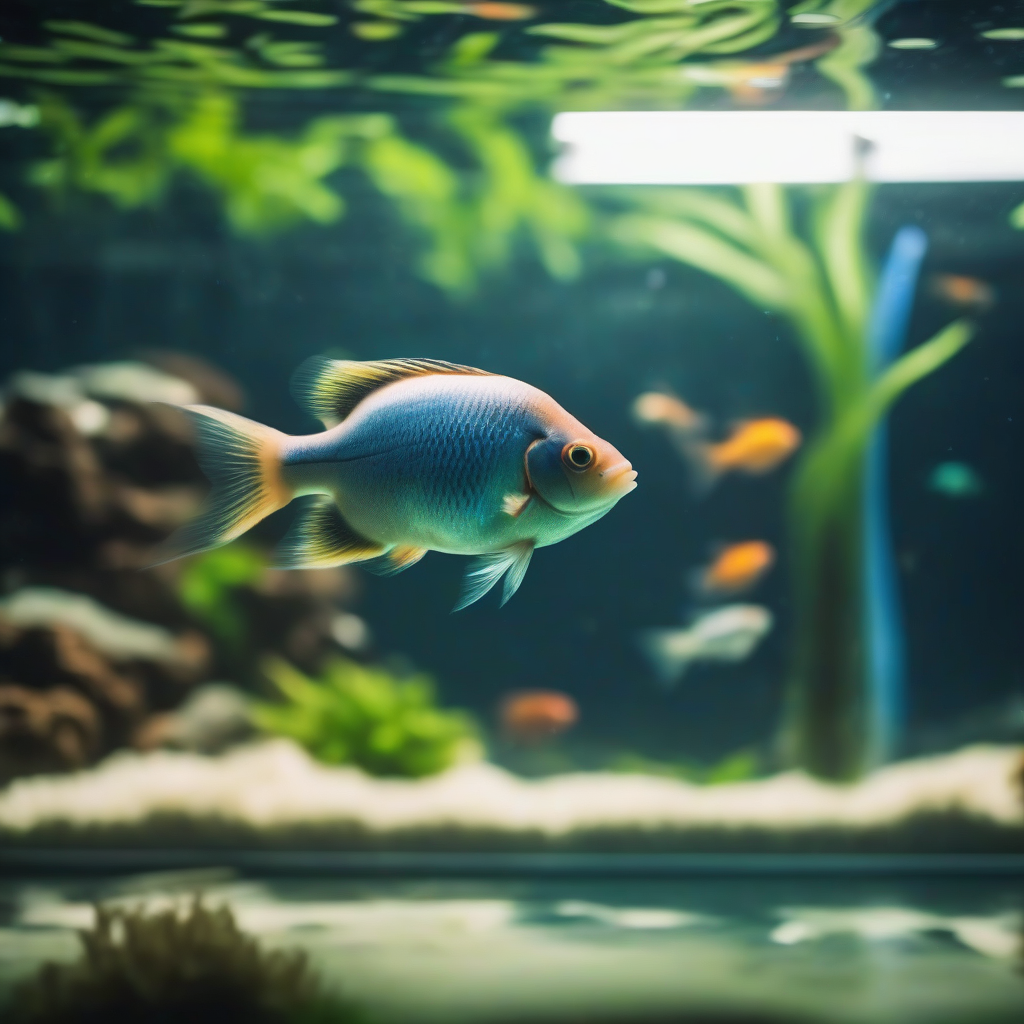
In this article, you can find comprehensive information about the insidious neurobiological effects of inadequate space in fish aquariums on fish brains and scientific solution strategies to ensure their optimal mental well-being.


In this article, you will discover the little-known but profound effects of the acoustic environment in rabbit living spaces on their brain health and general well-being, exploring the neurobiological consequences of both sound deprivation and overstimulation, and scientific secrets to creating a peaceful environment. Understand and optimize your rabbit's world with expert tips.
In this article, you will find comprehensive information about the insidious neurobiological effects of artificial colorings, preservatives, and flavors found in commercial bird feeds on your bird's brain health and mental vitality. We explore scientific nutritional secrets to combat these hidden dangers, shedding light on a wide spectrum of effects from behavioral changes to cognitive decline.

In this article, you can discover the scientific secrets to understanding your cat's undesirable habits, deciphering the neurocognitive mechanisms in their brain, and establishing lasting new routines.
The living space of aquarium fish is a factor often chosen based on aesthetic concerns, but which actually has profound neurobiological effects on the mental and physical health of the creatures. Insufficient aquarium space can act as a 'silent prison' for fish, leading to a range of insidious neurobiological and behavioral problems, even in seemingly healthy individuals. In this article, we will delve into 5 critical neurobiological effects of space limitation on the fish brain and the scientific secrets to minimize these effects and ensure optimal mental well-being.
For fish that move in vast natural environments, a confined aquarium can create a constant perception of threat. This situation continuously activates the hypothalamic-pituitary-adrenal (HPA) axis in the fish's brains. Chronic HPA axis activation leads to persistently high levels of stress hormones like cortisol. This not only increases physical stress but also negatively impacts brain functions. Elevated cortisol levels can damage neurons in brain regions associated with memory and learning, such as the hippocampus, reducing synaptic plasticity and overall cognitive capacity. As the fish is in a constant state of defense, energy resources are directed towards this 'panic mode,' disrupting fundamental physiological processes like growth and reproduction.
Neuroplasticity is the brain's ability to change its structure and function in response to new experiences. Large and complex habitats offer numerous opportunities for fish to explore their environment, interact with new stimuli, and develop problem-solving skills. However, space limitation restricts this cognitive stimulation. Studies have observed reduced neuronal connectivity and dendritic branching in the brains of fish living in cramped environments. This can severely impair fish's ability to learn new information, utilize their adaptive capacities, and respond to environmental changes. The brain's loss of flexibility directly diminishes their quality of life and makes them more vulnerable to stress. This is a significant factor negatively impacting the fish's 'emotional map' in the aquarium.
Inadequate space in an aquarium, especially when multiple species or individuals of the same species are together, leads to impaired social interactions. Fish that are naturally territorial or have a specific hierarchy within a school feel a greater impulse for competition and conflict in limited spaces. This situation can disrupt the balance of neurotransmitters like serotonin and dopamine in the brain. A decrease in serotonin levels triggers aggressive and impulsive behaviors, while constant competition can also affect dopamine reward systems. As a result, heightened tension, injuries, and even fatalities can be observed among fish. This social dysfunction prevents individuals from expressing their unique character algorithm in a healthy way.
Chronic stress has devastating effects on the immune system. Thanks to the close neuroimmunological connection between the brain and the immune system, persistently high levels of stress hormones reduce the fish's resistance to diseases. Cortisol suppresses lymphocyte production and disrupts the inflammatory response, weakening the fish's ability to fight pathogens. This leaves fish vulnerable to various health problems, from parasitic infections to bacterial diseases. These physiological disorders caused by insufficient space can lead to serious health crises requiring emergency intervention, resembling 'panic attacks'.
Fish perceive and explore their environment through movements such as swimming and maneuvering. Insufficient space restricts these natural movement patterns, negatively affecting the fish's musculoskeletal system. Brain regions responsible for motor coordination, such as the motor cortex and cerebellum, can develop dysfunctions when they do not receive sufficient stimulation or are under excessive restriction. This can lead to reduced swimming abilities, abnormal swimming patterns, and even developmental disorders. Long-term restrictions result in weakened neuromuscular connections and a general loss of the cognitive benefits derived from freedom of movement. This also limits the fish's ability to display natural behaviors within their species' secret social chemistry.
Aquarium size is critical for your fish's mental and physical well-being. Here are scientific strategies you can implement:
The living space of aquarium fish is not merely a physical environment but a factor that directly impacts their neurobiological development, behavioral health, and overall well-being. Insufficient space can act as a 'silent prison,' leading to chronic stress responses, cognitive decline, increased aggression, and immune system weakness in fish brains. Understanding these insidious effects and providing species-appropriate, spacious, and stimulating aquarium environments is the responsibility of fish owners. Through scientifically informed aquarium design and management, we can ensure our fish not only survive but also lead mentally vibrant and happy lives.
