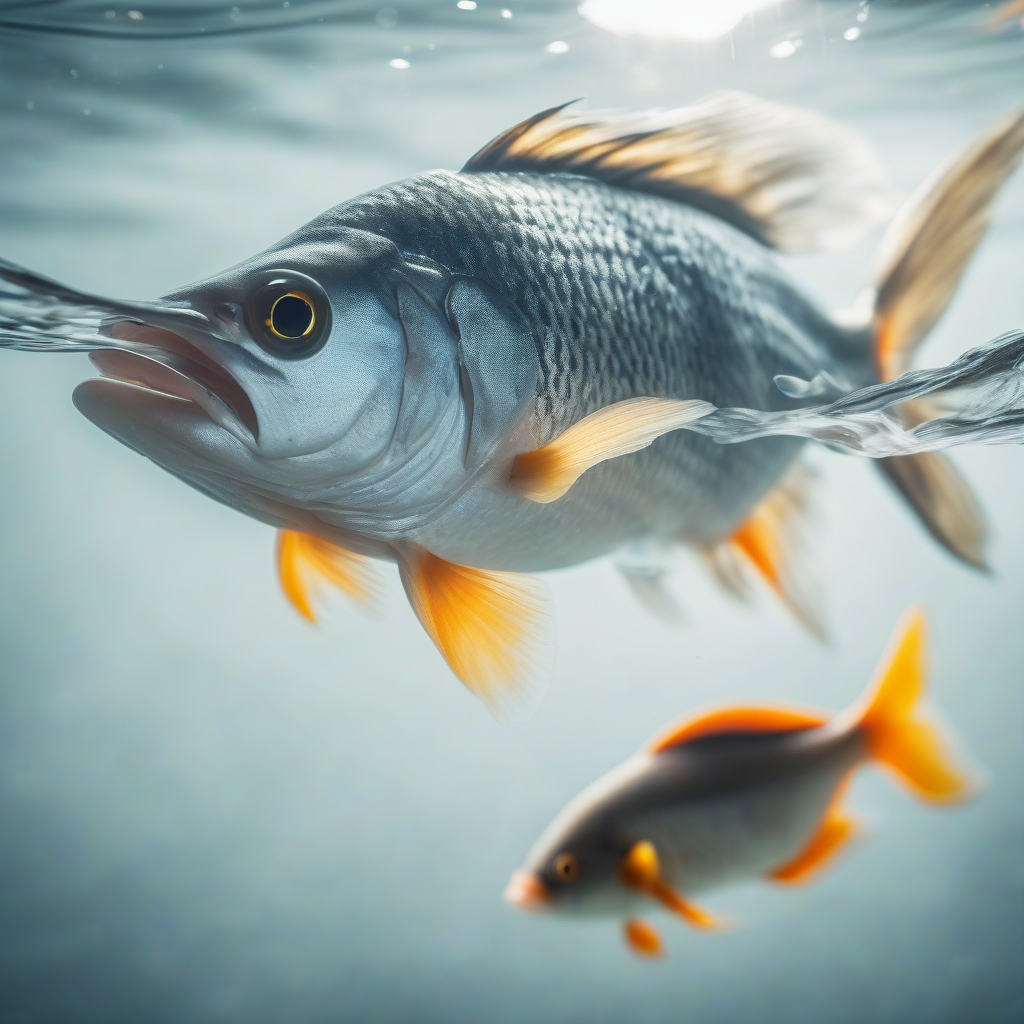
Explore the complex social interactions, emotional states, and harmony-building in fish schools within aquariums from a neurobiological perspective. Discover scientific methods for creating a peaceful aquarium environment.


In this article, you will discover the little-known but profound effects of the acoustic environment in rabbit living spaces on their brain health and general well-being, exploring the neurobiological consequences of both sound deprivation and overstimulation, and scientific secrets to creating a peaceful environment. Understand and optimize your rabbit's world with expert tips.

In this article, you will find comprehensive information about the insidious neurobiological effects of artificial colorings, preservatives, and flavors found in commercial bird feeds on your bird's brain health and mental vitality. We explore scientific nutritional secrets to combat these hidden dangers, shedding light on a wide spectrum of effects from behavioral changes to cognitive decline.

In this article, you can discover the scientific secrets to understanding your cat's undesirable habits, deciphering the neurocognitive mechanisms in their brain, and establishing lasting new routines.
Aquariums not only cater to the physical needs of aquatic life but also host their complex psychological and behavioral worlds. Especially for social species, interactions within the aquarium directly determine their quality of life. The communication networks fish establish with each other can be termed 'hidden emotional maps'; these maps shape their sense of security, social acceptance, and overall well-being. In this article, we will delve deep into the neurobiological underpinnings of fish social interactions and explore the scientific paths to creating a peaceful 'school' in their aquariums.
Fish social communities are often based on complex hierarchies. These hierarchies are determined not only by physical strength but also by chemical and neurobiological 'codes' transmitted through pheromones, visual signals, and even vibrations. Dominant individuals may secrete specific neurochemicals that enable them to be more resistant to stress, while stress hormone levels may rise in less dominant individuals. This situation profoundly affects the general atmosphere and individual behaviors in the aquarium.
For instance, introducing a new fish into an aquarium can disrupt the existing social balance. During this process, the new fish's own 'risk algorithm' comes into play, while the existing fish also exhibit neurobiological responses to the unknown. As we discussed in detail in our article A New Face in the Fish Aquarium? 5 Hidden Neurobiological Keys Shaping Friendships and Scientific Harmony Secrets!, the neurobiological management of these initial encounters is key to long-term harmony.
Fish use a wide range of methods to communicate. One of the most important is pheromones; these chemical signals carry vital information such as finding mates and warnings of danger. We touched upon this topic in the article The Secret 'Social Chemistry' of Fish: Neurobiological Codes of Silent Hierarchy in Aquariums and Secrets to Harmony. However, communication is not limited to chemical pathways. Fish also interact through body movements, color changes, and vibrations transmitted through the aquarium substrate.
Especially vibrations play a critical role in fish perceiving environmental changes and the presence of other creatures. As highlighted in Your Fish Aquarium's Secret 'Vibration Map': Neurobiological Effects of Micro-Acoustic Signals and Scientific Design Secrets to Zero Out Stress!, these vibrations can directly affect fish's 'emotional maps' and alter their stress levels. Irregular or excessive vibrations can lead to 'hidden stress symptoms' in fish.
Fish 'emotional maps' directly guide their behaviors. Basic emotional states such as fear, happiness, and curiosity are closely linked to their neurochemical balances. For example, a new toy or decoration can evoke 'curiosity' in fish, triggering exploratory behaviors. Your Fish's Hidden 'Visual Labyrinths' in the Aquarium: 5 Neurocognitive Effects of Object Placement and the Secrets to Mental Well-being! examines this situation. The overall comfort level of a fish in the aquarium also shapes its 'character algorithm' and determines its social interactions.
A stressed fish typically behaves more timidly, avoids feeding, and may even become aggressive towards other peaceful species in the aquarium. This 'invisible stress map' endangers the fish's overall health and harmony in the aquarium. Fish's 'Invisible Stress Map': 5 Insidious Neurological Triggers in the Aquarium and Scientific Calm Secrets! details these stress factors and their solutions.
Proper Species Selection and Group Dynamics: Bringing together fish designed to live in schools forms the basis of social harmony. The potential for different species to coexist depends on their 'social chemistry' and neurobiological adaptability. Your Fish Aquarium's 'Silent Hierarchy Map': 5 Neurocognitive Secrets to New Member Acceptance and Social Harmony! is critical for understanding this process.
Neurobiological Impact of Aquarium Design: The layout of the aquarium directly affects the fish's 'emotional maps'. Sufficient hiding places, areas to explore, and a fluid water flow reduce stress. As we mentioned in The Fish Aquarium's 'Flow Kinetics': 5 Hidden Neurobiological Effects and Scientific Design Secrets to Zero Out Stress!, proper adjustment of currents ensures fish feel comfortable.
Nutrition and Neurochemical Balance: Fish food is vital not only for physical development but also for neurochemical balance. Vitamin and mineral deficiencies can negatively affect fish behavior and emotional states. The Secret Neurochemistry of Fish Food: 5 Critical Species-Specific Nutrition Secrets for Enhancing Your Aquarium Inhabitants' Mental and Physical Well-being! delves into this topic.
Lighting and Daily Rhythm: The light spectrum can affect fish circadian rhythms and overall mood. Correct lighting encourages their natural behaviors and reduces stress. Our article Your Fish's 'Colorful Dream Lab': 5 Neurocognitive Effects of Light Spectrum and Scientific Care Secrets for Optimal Vitality in the Aquarium! covers this important topic.
Healthy Water Chemistry and Oxygen Levels: The water quality in the aquarium directly affects the fish's physiology and consequently their neurobiological functions. Conditions like 'oxygen panic attacks' can lead to serious health problems. Hidden 'Oxygen Panic Attacks' in Fish Aquariums: 5 Insidious Neurophysiological Signals and Lifesaving Emergency Intervention Codes! explains what to do in emergencies.
In conclusion, the 'emotional maps' of fish in aquariums are a product of complex neurobiological processes. Understanding their social interactions, communication methods, and emotional responses not only allows us to raise healthier individuals but also helps transform our aquariums into true havens of peace and balance. By using scientific knowledge, we can maximize the quality of life for our underwater friends.
