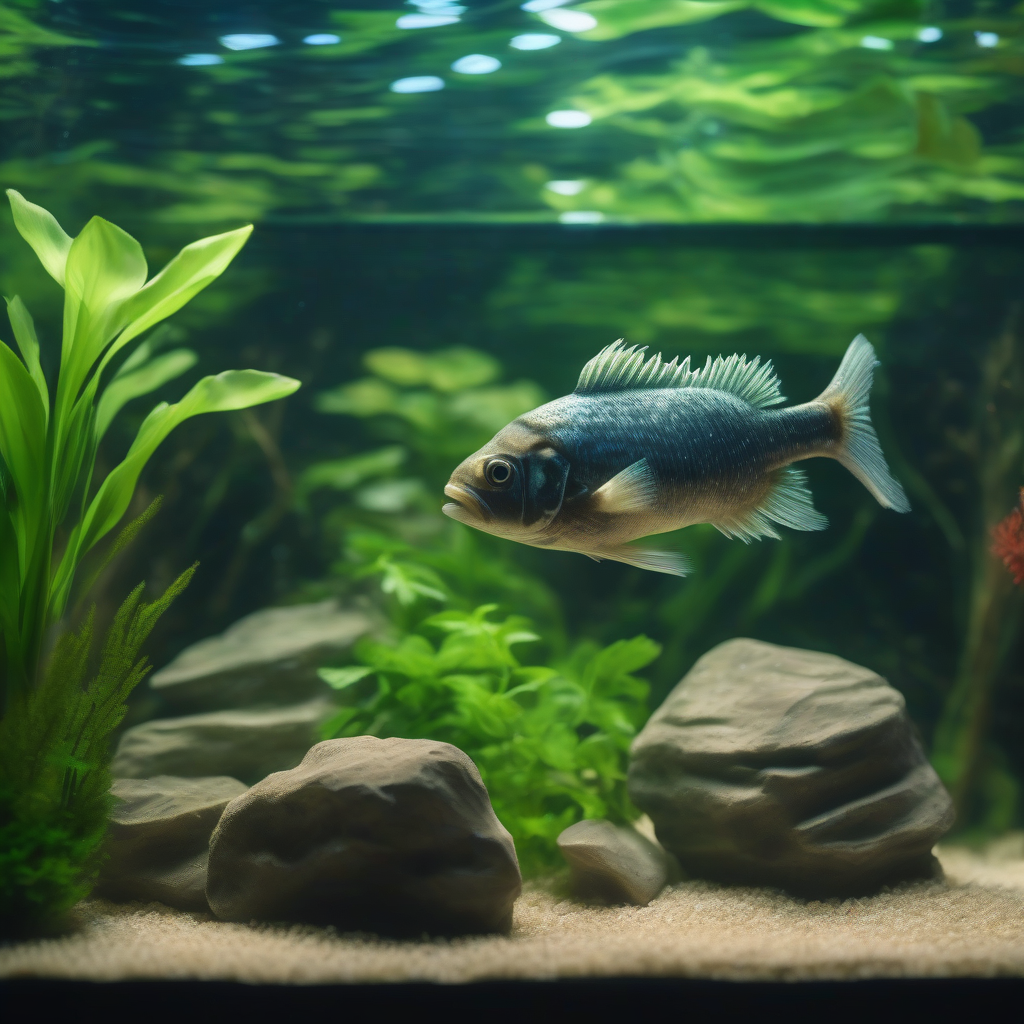
In this article, you can find comprehensive information about the insidious neurobiological effects of noise pollution in the aquarium environment on fish brains and scientific solutions to mitigate these adverse effects.


Discover the neurobiological signals of hidden stress your newly adopted cat experiences during adaptation to a new social environment. This article reveals 5 insidious signs of your cat's silent struggle and scientific strategies for peaceful, long-term harmony.

Your dog's anal sacs, located beneath the tail, can be hidden alarm bells often overlooked but profoundly affecting their quality of life. In this article, you will discover the 5 insidious neurobiological effects of anal sac problems on the brain and the lifesaving care secrets you need to know for your furry friend to live a peaceful life.
In this article, you will find comprehensive information on the insidious neurotoxic effects of heavy metal poisoning in aquarium fish, its symptoms, and lifesaving emergency intervention codes. This condition, which can arise from household water sources, improper equipment, or neglect, can severely threaten your fish's quality of life and lifespan.
Many of us focus on factors like water chemistry, temperature, filtration, and visual aesthetics when setting up our aquariums. However, there's an often-overlooked insidious invader in our fish's world: noise. What might be a slight vibration or background hum to us can become a “silent sound invasion” for your fish's sensitive sensory systems, leading to severe neurobiological effects in their brains. As of August 2026, recent research on aquatic acoustics and fish physiology highlights the profound impact of this silent threat on the health and well-being of our fish.
Fish perceive sound very differently from humans. Despite lacking external earlobes, they sense sound waves traveling through water via both their inner ears (otolith organs) and their lateral line system, located along their bodies. The lateral line system allows them to detect pressure changes and low-frequency vibrations in the water, while their inner ears process higher-frequency sounds. When combined, these two systems enable fish to detect predators, prey, and the movements of other aquarium inhabitants with incredible precision.
Unfortunately, household noise (television, music, conversations, slamming doors) and constant vibrations and sounds from aquarium equipment (filters, air pumps, heaters) can transform the naturally quiet underwater world of fish into a continuous environment of “noise pollution.” This can lead to chronic stress in fish brains, triggering various neurobiological and behavioral problems.
Noise pollution can affect the central nervous system of fish, causing various insidious changes. These effects can significantly reduce their quality of life in the long run.
Constant exposure to noise causes a chronic increase in cortisol levels, the stress hormone in fish. While normally beneficial in short-term stress situations, persistently high levels of this hormone can lead to depletion of energy reserves, slower growth rates, and even reduced reproductive capacity. Fish brains work overtime to cope with this constant state of alarm, negatively impacting their overall health. For more information on the spread of stress in aquariums and the emotional states of fish, please refer to our article: Emotional Contagion in Fish Brains: 5 Insidious Neurobiological Secrets of Stress Spread in Aquariums and Methods to Build a Calm Community!.
Studies show that fish exposed to chronic noise have elevated auditory thresholds, meaning they become less sensitive. This can weaken their ability to perceive environmental cues (predator signals, mating calls). Their brains experience “sensory overload” due to a constant bombardment of information, which can lead to attention deficits and concentration problems, affecting their cognitive processes. Similarly, visual distractions can also be an issue for fish; we address this in our article: Your Fish's 'Visual Noise' Resistance Training: 5 Neurocognitive Secrets to Scientifically Reset Distractions in the Aquarium!.
Noise pollution can disrupt the natural behavioral patterns of fish. Fish exposed to excessive noise may exhibit more hiding behavior, altered feeding habits, aggression, or apathy. Cognitively, a decline in their ability to learn new information and remember it can be observed. This directly affects their ability to interact with their environment and solve problems.
Reproduction in fish is highly sensitive to environmental conditions. Continuous noise stress can disrupt the balance of reproductive hormones, negatively affecting mating behaviors, egg laying, and fry survival rates. As the fish's brain shifts into survival mode instead of reproduction, it can have serious consequences for the continuation of the species.
One of the most dangerous neurobiological effects of chronic stress is the suppression of the immune system. Noise pollution-induced stress reduces fish's resistance to infections and diseases. A weakened immune system can make them more vulnerable to problems such as swim bladder disorder. For more information on this, you can read our article: Your Fish's 'Floating Nightmare': 5 Insidious Neurophysiological Effects of Acute Swim Bladder Disorder and Lifesaving Emergency Intervention Codes!.
It is possible to take proactive steps to free your fish from the silent sound invasion and maintain their optimal neurobiological health:
The first step is to identify potential noise sources in and around your aquarium. This could include loud electronic devices in the home, slamming doors, or high-traffic areas. Vibrations and sounds from aquarium equipment (filters, air pumps) also play a significant role. If possible, move these sources away from the aquarium or take measures to provide sound insulation. For example, you can use a sound-absorbing mat or anti-vibration pads.
Place your aquarium in a relatively quiet corner of your home. Positioning it away from noisy devices or frequently accessed areas helps minimize external noise. It's also important for the aquarium stand or furniture to be made of sturdy, vibration-absorbing material.
Choose filters and air pumps with low noise levels. Regular maintenance of equipment will prevent noise caused by wear and tear over time. Check for vibrating parts and replace them if necessary.
Live plants, rocks, and decorative objects not only provide visual beauty but can also improve the acoustic environment by breaking and absorbing sound waves in the water. This also helps reduce stress by creating natural hiding and exploration areas for fish. To learn about the effects of monotonous environments on fish, you can check out the article Your Fish's 'Hidden Curiosity Drive': 5 Insidious Neurocognitive Effects of a Monotonous Aquarium Environment on the Brain and Secrets to Mental Enrichment!.
Maintaining the water level optimally and reducing excessive surface agitation can affect sound transmission. Some fish species may be more sensitive to sounds caused by surface movement. Gentle surface flow and adequate water depth can contribute to fish feeling more peaceful.
The quality of life for our fish in the aquarium is not limited to the parameters we see and feel. The 'silent sound invasion' is an overlooked factor that profoundly impacts fish neurobiology and overall health. As aquarium owners, being aware of this insidious threat and implementing scientific solutions is critical to ensuring our fish live healthier, happier, and more peaceful lives. Protecting their silent world is an important responsibility that falls upon us.
