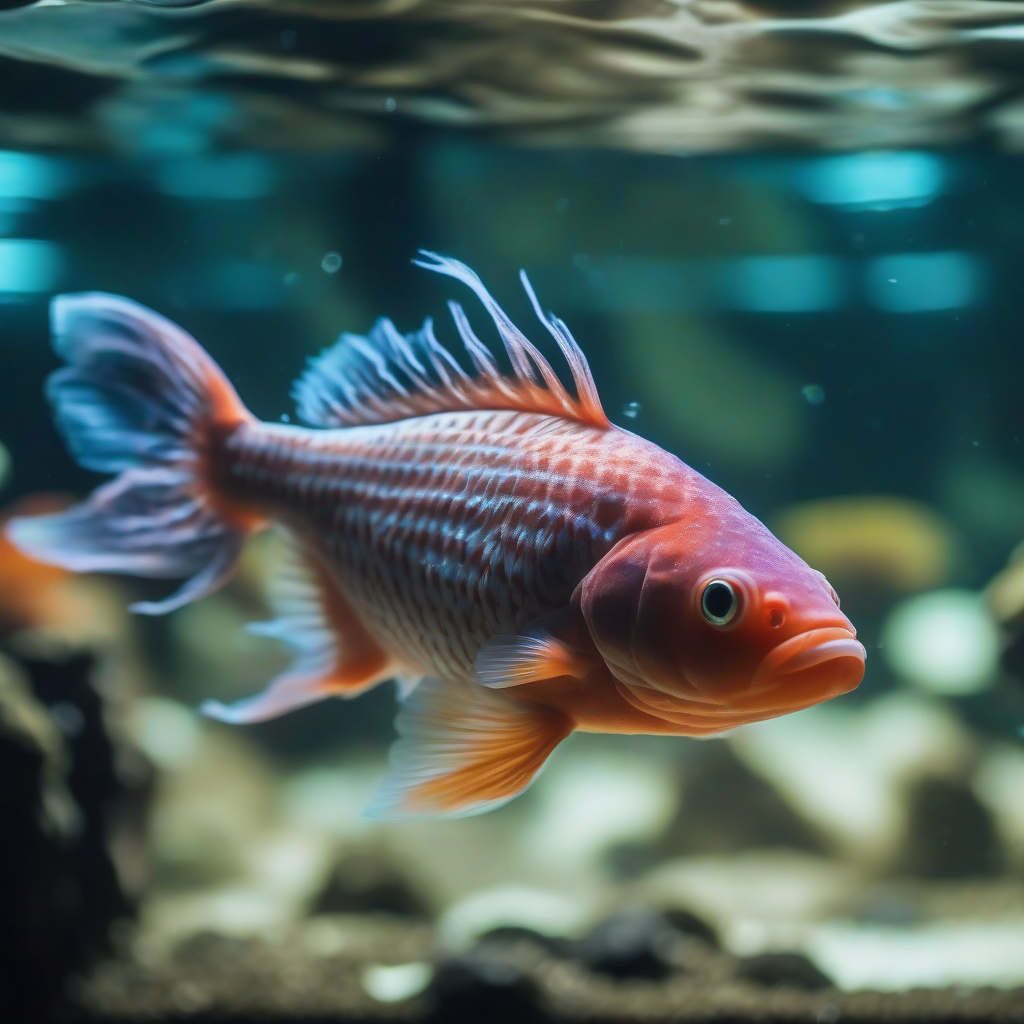
Discover how fish perceive currents in their aquariums and the role of the lateral line organ in this process. Enhance your fish's well-being with neurobiological care secrets.


Discover the types of burns your dog can suffer, the 5 insidious neurophysiological effects these burns create in the brain and body, and lifesaving emergency intervention strategies in this comprehensive guide. We shed light on the dangers behind forgotten household accidents from a scientific perspective.

Discover the neurobiological signals of hidden stress your newly adopted cat experiences during adaptation to a new social environment. This article reveals 5 insidious signs of your cat's silent struggle and scientific strategies for peaceful, long-term harmony.

Your dog's anal sacs, located beneath the tail, can be hidden alarm bells often overlooked but profoundly affecting their quality of life. In this article, you will discover the 5 insidious neurobiological effects of anal sac problems on the brain and the lifesaving care secrets you need to know for your furry friend to live a peaceful life.
Did you know that fish don't just swim, but perceive the invisible currents within their aquariums with a "sixth sense"? At the heart of this complex perception lies the fish's vital lateral line organ. We will delve deep into how the water currents in your aquarium affect your fish's mood, health, and overall well-being, and how you can use this knowledge to develop the best care strategies.
Every fish species has a unique habitat, and an indispensable part of this habitat is water movement. The lateral line organ is a channel, consisting of small pores, that runs along both sides of a fish's body from head to tail. The sensory cells in this channel detect even the slightest water movement, pressure change, or vibration, sending complex signals to the brain. This helps fish to:
The lateral line organ is a fundamental part of the art of survival for fish in their aquatic world. Understanding the function of this organ is key to providing more conscious and effective care in the aquarium.
The behavior of your fish in the aquarium is closely related to the shape and strength of the water currents. Different fish species may have different current preferences. Some species prefer fast and strong currents, while others prefer calmer, more stagnant waters. An incorrect current setup can lead to significant stress for fish. Signs of this stress can include:
These behaviors indicate that the fish is not living in ideal conditions within the aquarium environment. Proper current management ensures that fish lead a calmer, happier, and healthier life.
There are several simple yet effective methods to optimize the currents in your aquarium:
Research into fish lateral line organs and current perception reveals how complex their interactions with their environment are. From a neurobiological perspective, designing the aquarium environment to support the fish's natural behaviors and physiological needs significantly enhances their overall well-being.
Viewing aquarium currents as a care element allows you to support not only the physical but also the mental and emotional health of your fish. This conscious care helps your fish live a longer, healthier, and happier life in the aquarium.
In conclusion, understanding the "hidden current map" provided by your fish's lateral line organ allows you to establish a deeper connection with them and enrich their aquarium life. This goes beyond just a hobby; it is a demonstration of respect and responsibility towards living beings.
