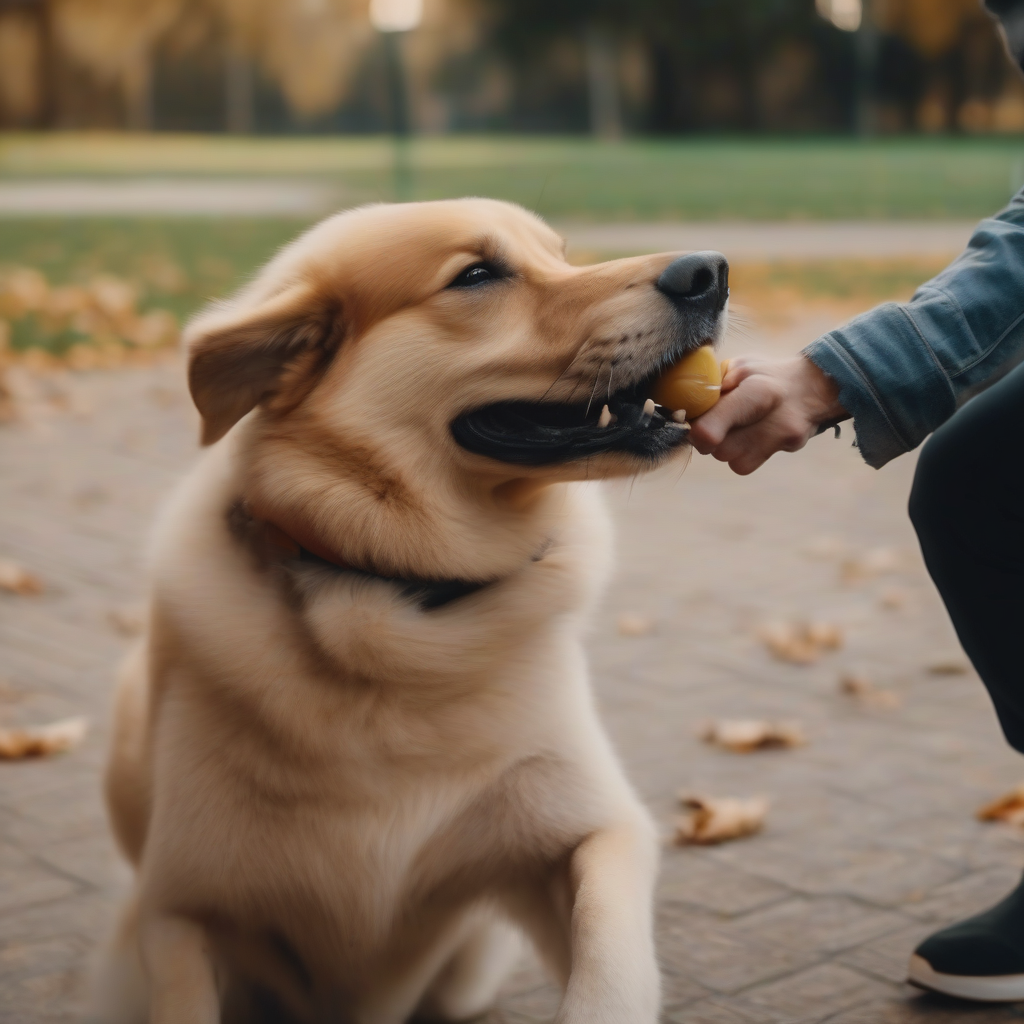
Understanding your dog's social intelligence is key to a deeper bond. In this article, decode the hidden signals in their play to explore their social perception and bonding strategies.


Discover the types of burns your dog can suffer, the 5 insidious neurophysiological effects these burns create in the brain and body, and lifesaving emergency intervention strategies in this comprehensive guide. We shed light on the dangers behind forgotten household accidents from a scientific perspective.

Discover the neurobiological signals of hidden stress your newly adopted cat experiences during adaptation to a new social environment. This article reveals 5 insidious signs of your cat's silent struggle and scientific strategies for peaceful, long-term harmony.

Your dog's anal sacs, located beneath the tail, can be hidden alarm bells often overlooked but profoundly affecting their quality of life. In this article, you will discover the 5 insidious neurobiological effects of anal sac problems on the brain and the lifesaving care secrets you need to know for your furry friend to live a peaceful life.
Dogs are complex social beings. The behaviors they exhibit in their play environments are not just moments of fun; they are also a reflection of deep social intelligence and bonding strategies. In this article, we will explore scientific ways to build a stronger bond with your dog by decoding their hidden 'algorithm' in the playground.
Dog play is often based on reciprocal communication. The way a dog wags its tail, its ear position, body posture, and even the sounds it makes, offer critical clues to understanding its current emotional state and intentions. However, some of these clues are 'hidden' signals that are difficult to notice.
When your dog suddenly approaches you or another dog and then retreats, it's not just an invitation to play. This behavior is also part of the process of socialization and trust-building. This 'approach-retreat' cycle allows the dog to gauge the other individual's reaction. If it receives positive feedback, the play continues; otherwise, it withdraws.
When dogs suddenly switch roles during play (e.g., the chaser becomes the chased), it indicates they are dynamically adjusting their social status. This is a reflection of the hierarchical understanding mentioned in the article Your Dog's 'Silent Hierarchy Shield': 5 Neurobiological Secrets of Social Status Perception and the Origins of Leadership Behavior!. These role reversals during play prevent excessive competition and reinforce social harmony.
A dog's tendency to share or hoard toys relates to resource security. A dog's behavior of defending or hoarding its toy is a basic instinct. However, this does not necessarily mean aggression. Understanding this behavior is akin to understanding basic physiological needs, similar to topics like Your Dog's Hidden 'Cofactor Crisis' in the Food Bowl: 5 Insidious Mineral Deficiencies Sabotaging Enzyme Activities and Lifesaving Scientific Solutions!. Sharing toys during play can strengthen social bonds.
Playing with your dog is more than just having fun. It helps them develop their empathetic abilities, as highlighted in the article Your Dog's 'Empathy Algorithm': 5 Hidden Neurobiological Secrets to Mirroring Your Emotional State and Scientific Ways to Deepen Your Bond!.
Praising or rewarding your dog when it exhibits a desired behavior during play encourages the repetition of that behavior. This is directly related to Your Dog's Secret 'Reward Circuits' in the Brain: 5 Neurological Secrets to Reprogramming Behaviors with Positive Reinforcement!. Play activates these neurological reward systems, reinforcing learning.
Simple games like the 'stay' command help develop your dog's patience and impulse control. This reinforces the principles in the article Your Dog's 'Hidden Patience Circuits': 5 Neurocognitive Keys to Learning to Wait and Scientific Training Secrets!. These types of exercises are particularly important when interacting in new environments or with other dogs. This is also beneficial in situations like those described in Your Dog's New Home Stress: 5 Hidden Neurobiological Keys Behind Sudden Behavioral Changes and Solutions!.
Puzzle toys, search-and-find games, or activities requiring reasoning enhance your dog's social intelligence and problem-solving skills. These types of activities help them better understand their environment and become more responsive to social cues. Articles like Your Dog's 'Unknown Playgrounds': 5 Secret Neurocognitive Keys to Social Intelligence and Bonding Secrets! shed more light on these topics.
Every movement your dog makes in the playground is an opportunity to build a deeper bond with them. Understanding their hidden signals, delving into the depths of their social intelligence, and fostering their empathetic abilities are the most powerful ways to build a loyal friendship. Remember, play is not just an activity; it is also a form of communication and learning.
