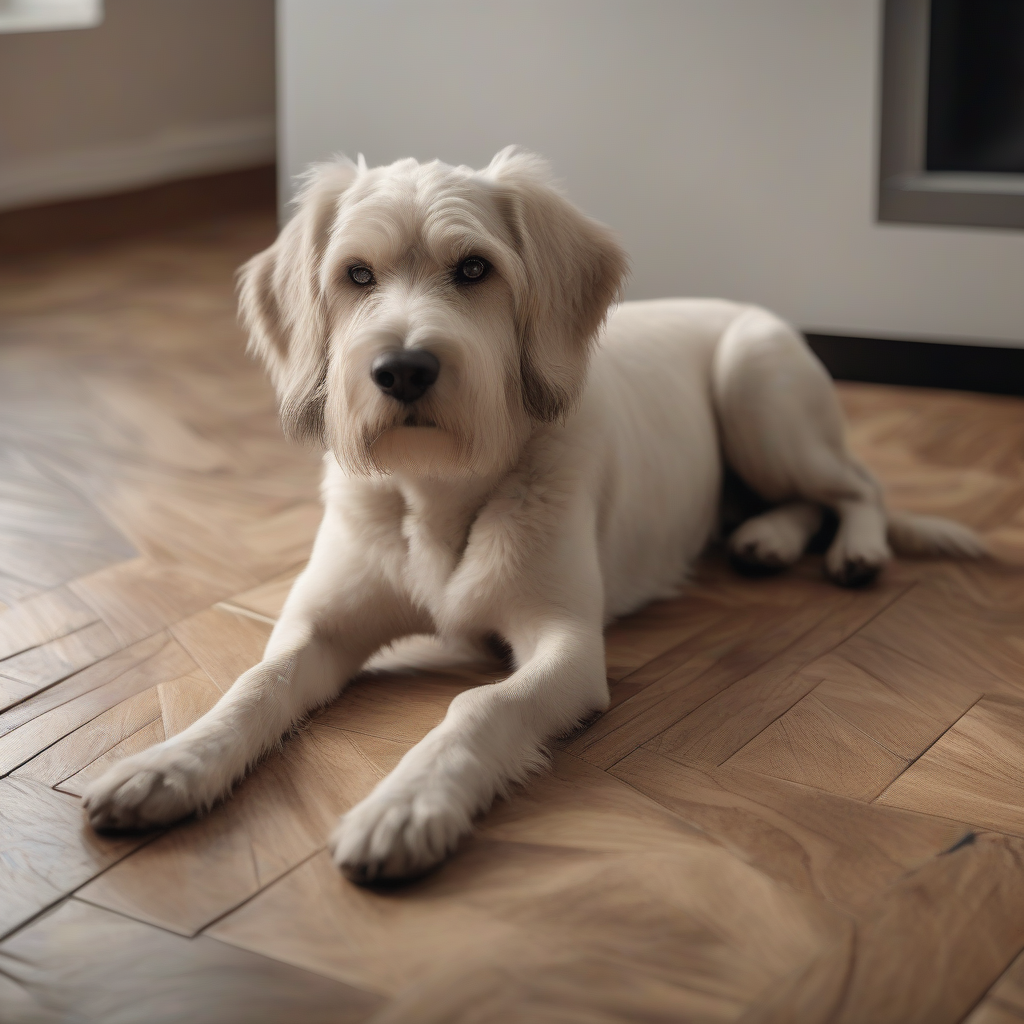
Discover the neurobiological effects of surface selection to understand which surfaces in their home environment make your dog feel happy and secure.


Discover the types of burns your dog can suffer, the 5 insidious neurophysiological effects these burns create in the brain and body, and lifesaving emergency intervention strategies in this comprehensive guide. We shed light on the dangers behind forgotten household accidents from a scientific perspective.

Discover the neurobiological signals of hidden stress your newly adopted cat experiences during adaptation to a new social environment. This article reveals 5 insidious signs of your cat's silent struggle and scientific strategies for peaceful, long-term harmony.

Your dog's anal sacs, located beneath the tail, can be hidden alarm bells often overlooked but profoundly affecting their quality of life. In this article, you will discover the 5 insidious neurobiological effects of anal sac problems on the brain and the lifesaving care secrets you need to know for your furry friend to live a peaceful life.
The living spaces we create for our beloved pets are more than just physical environments; they are complex ecosystems that profoundly impact their emotional and mental well-being. Particularly for dogs, their 'invisible boundaries' – which dictate their positioning at home and how secure they feel – are crucial. Surprisingly, the choice of floor surfaces plays a critical role in the formation of these boundaries. From a neurobiological perspective, the texture, temperature, and slipperiness of the floor can stimulate a dog's sensory system in different ways, influencing their behavior, stress levels, and even overall health.
Dogs connect with the world through the ground beneath their paws. This contact is not just physical; it's a flow of mental and emotional information. The millions of sensory receptors in their paw pads continuously send signals to the brain about the type of surface they are on. These signals determine where and how a dog will position itself, how safe it will feel, and how it will react to its surroundings.
Slippery surfaces like hardwood, tile, or polished concrete can pose a significant balance challenge for dogs. Walking, running, or stopping abruptly on such surfaces strains a dog's sense of balance, which can trigger a stress response in the brain. The constant search for balance can make a dog more alert and anxious. This can lead to the dog feeling insecure and avoiding stressful areas, as discussed in our article on Your Dog's 'Blind Spots' at Home: 5 Secret Space Security Secrets for Calmness.
Conversely, surfaces that provide more traction, such as carpet, rugs, or rubber mats, allow dogs to move more comfortably. This increases their confidence and reduces stress signals in their brains. It is important to have surfaces with better grip in areas where your dog spends the most time, especially where they move frequently (e.g., near the entrance, around the food bowl).
Dogs' sensory world is much richer than ours. The texture of the floor can trigger their sense of exploration and curiosity. For example, a soft carpet offers a different sensory experience than a hard wooden floor. Creating areas with different textures provides mental stimulation for your dog and breaks monotony. This helps satisfy their drive for play and exploration, as mentioned in our article Your Dog's Secret 'Playground' Algorithm: Decoding Its Social Intelligence and Bonding Secrets.
However, excessively diverse or harsh textures can lead to sensory sensitivities in some dogs. Therefore, observing your dog's individual preferences and reactions is important. Some dogs prefer softer, more uniform surfaces, while others enjoy exploring different textures.
The temperature of the floor directly affects a dog's comfort level. Cold, hard floors can cause a dog to lose body heat, especially during colder months. This forces them to expend more energy and feel cold, and the brain may perceive these cold signals as a threat, increasing the stress response. As noted in Your Dog''s Hidden 'Fluid Balance' Shock: 5 Insidious Neurophysiological Signs of Dehydration and Lifesaving Scientific Intervention Codes!, maintaining a balanced body temperature is critical for overall health, and feeling cold can disrupt this balance.
Warm and insulated floors help a dog feel more secure and comfortable. A soft rug or a padded area around their bed can serve as a 'sanctuary' for them. These sanctuary areas are fundamental for a dog to rest and de-stress. Creating areas in different parts of the house where your dog can lie down comfortably and maintain their warmth will significantly enhance their emotional well-being. Your Dog's Deep Sleep Secrets: 5 Neurobiological Secrets for Stress Reset and Scientific Protocols for Perfect Rest highlights how important this is.
Floor surfaces have the ability to hold and release scent molecules, playing a significant role in how dogs perceive their environment. Each surface can have its own unique scent profile. Through these scents, dogs 'mark' their territory and perceive changes in their surroundings. The scents of different materials can become embedded in their memory, shaping their spatial perception. For instance, the scent of a regularly cleaned carpet can give a dog a sense of a 'safe' and 'belonging' area.
However, some materials absorb and retain odors more readily, which can lead to the buildup of unpleasant smells and make the dog uncomfortable. Therefore, choosing surfaces that are easy to clean and do not trap odors ensures that your dog lives in a mentally cleaner and more organized environment. This is also important for them to have a life free from harmful substances, similar to how it's addressed in Your Dog's 'Invisible Burden': 5 Hidden Neurological Warriors in the Liver's Toxin Battle and Lifesaving Support Secrets!.
Floor surfaces significantly affect the propagation of sound within the home. Hard, reflective surfaces cause sound to echo and increase noise levels. Dogs can be more sensitive to noise than humans, and sudden or loud sounds can stress them. As mentioned in Your Dog's 'Hidden Sound Labyrinth': 5 Insidious Neurobiological Effects of Household Noise Pollution and Scientific Solutions for Restoring Calmness!, this can negatively impact a dog's overall well-being.
Soft and absorbent surfaces prevent sound from spreading, creating a quieter environment. This helps your dog be calmer and less reactive to sudden noises. Reducing sounds from other rooms, in particular, allows your dog to spend time more peacefully in their own 'safe zone'.
The choice of surfaces in your dog's living space is not just an aesthetic preference; it is a critical factor for their neurobiological health. Non-slippery, texturally enriched, warm, and sound-insulating surfaces help your dog feel more secure, less stressed, and happier. Choices made with these factors in mind will improve your pet's quality of life and further strengthen the bond between you. Remember, their world begins with the ground beneath their paws!
Similarly, the importance of environmental factors for your dog's overall well-being is closely related to topics such as Your Dog's Calmness Algorithm: 5 Secret Fiber Keys of the Gut Microbiome and Scientific Nutrition Triggering Neurocognitive Well-being!.
