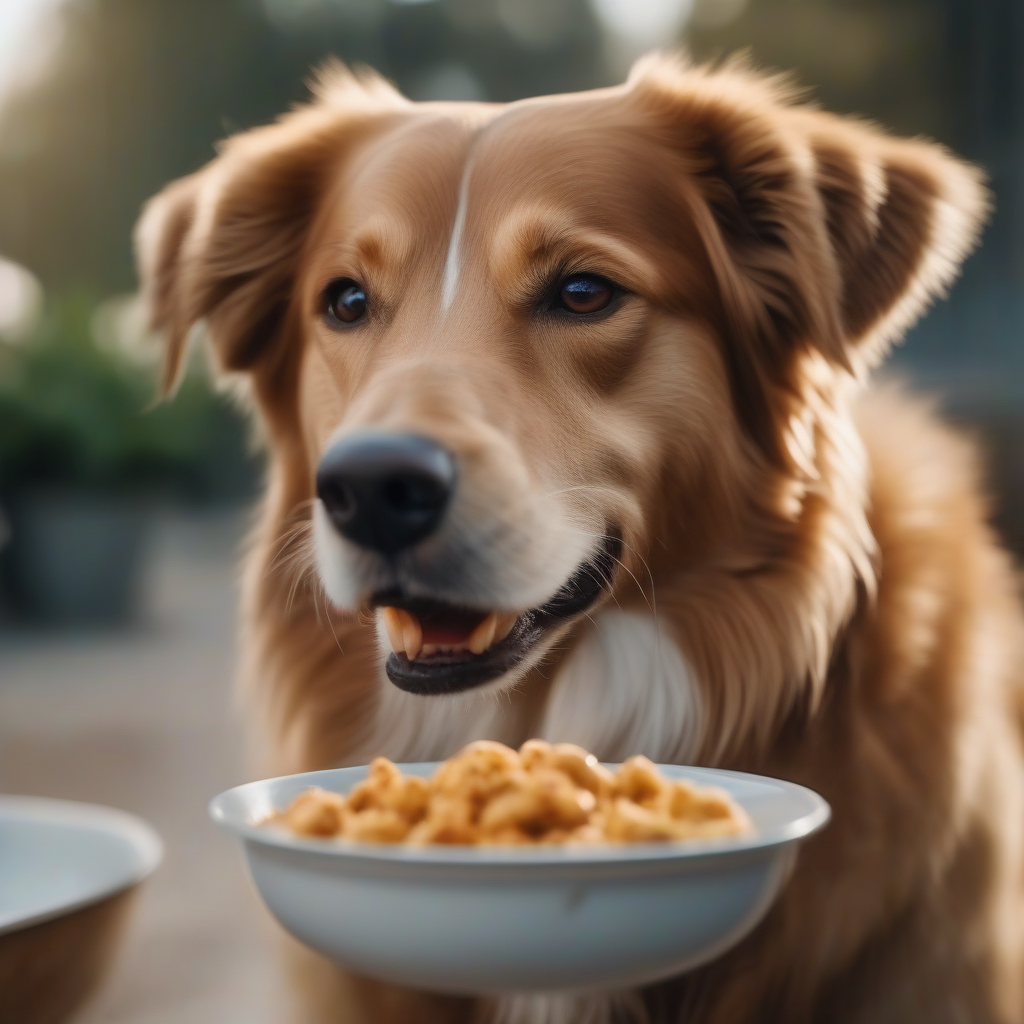
In this article, you will discover what the gut-brain axis is in dogs, the impact of nutrition on mental and behavioral health, and scientific dietary strategies to boost your pet's cognitive abilities.


Discover the neurobiological signals of hidden stress your newly adopted cat experiences during adaptation to a new social environment. This article reveals 5 insidious signs of your cat's silent struggle and scientific strategies for peaceful, long-term harmony.

Your dog's anal sacs, located beneath the tail, can be hidden alarm bells often overlooked but profoundly affecting their quality of life. In this article, you will discover the 5 insidious neurobiological effects of anal sac problems on the brain and the lifesaving care secrets you need to know for your furry friend to live a peaceful life.
In this article, you will find comprehensive information on the insidious neurotoxic effects of heavy metal poisoning in aquarium fish, its symptoms, and lifesaving emergency intervention codes. This condition, which can arise from household water sources, improper equipment, or neglect, can severely threaten your fish's quality of life and lifespan.
What your dog eats, and more importantly, how what they eat affects their brain and behavior, is one of the most exciting areas of research in modern veterinary medicine. The gut-brain axis is a complex, bidirectional communication network between the digestive system and the central nervous system. The balance of this axis influences everything from your dog's mood to their ability to learn, and even their cognitive function during the aging process. As of March 2026, scientific advancements in this field are opening new doors on how we can optimize our companions' mental and behavioral health through nutritional strategies.
Your dog's gut is far more than just an organ that digests food. The gut microbiota, a rich ecosystem of trillions of microorganisms, plays a key role in the production of neurotransmitters like serotonin and dopamine. These neurotransmitters directly influence brain functions such as mood, stress response, learning, and memory. The vagus nerve is one of the main communication highways connecting the gut to the brain. Furthermore, the integrity of the gut wall and the immune system have indirect but powerful effects on brain health. Imbalances in the gut microbiota (dysbiosis) can lead to systemic inflammation, which can affect the blood-brain barrier, contributing to neuroinflammation and cognitive decline. This highlights the importance of the gut-brain axis not only for overall health but also for your dog's quality of life and behavioral adaptation.
Nutrition is one of the most powerful ways to modulate the gut-brain axis. The right dietary components support the formation of a healthy microbiota and provide the necessary building blocks for the brain to function optimally.
Prebiotics are non-digestible fiber components that promote the growth of beneficial bacteria in the gut. Prebiotics such as fructooligosaccharides (FOS), inulin, and mannan-oligosaccharides (MOS) produce short-chain fatty acids (SCFAs), which strengthen the integrity of the gut wall and reduce inflammation. These SCFAs are important energy sources for the brain and support neurological health. Sweet potatoes, apples, and some grains are natural sources of prebiotics.
Probiotics, on the other hand, are live beneficial microorganisms. They help balance the gut flora, and some specific probiotic strains (e.g., Lactobacillus and Bifidobacterium species) have even been shown to help reduce anxiety, stress, and even aggressive behaviors. Research indicates that probiotic supplementation can improve stress response by lowering cortisol levels. If your dog is experiencing hidden digestive issues, discussing probiotic supplementation with your veterinarian may be beneficial.
Omega-3 fatty acids like EPA (eicosapentaenoic acid) and DHA (docosahexaenoic acid) are crucial components of brain cell membranes and possess strong anti-inflammatory properties. DHA is particularly vital for brain development in puppies and can support cognitive function in older dogs battling symptoms of dementia. Salmon oil, krill oil, and some seaweeds are rich sources of Omega-3s.
Amino acids such as tryptophan are precursors to mood-regulating neurotransmitters like serotonin. Adequate tryptophan intake can help calm your dog and improve their ability to cope with stress. High-quality protein sources like chicken, turkey, and fish are rich in tryptophan. Nutritional experts continue to research such components in dogs, similar to the positive effects of bioactive peptides in cat food on intelligence and immunity.
Antioxidants such as Vitamin C, Vitamin E, and selenium help protect brain cells from oxidative stress, thereby slowing cognitive aging. B vitamins, especially B6, B9 (folate), and B12, are essential for neurotransmitter synthesis and nervous system health. Green leafy vegetables, fruits, and whole grains are rich in these nutrients.
Anxiety, hyperactivity, obsessive-compulsive disorders, and even some aggressive behaviors can be linked to underlying gut dysfunction. For instance, one study observed a decrease in certain bacterial species in the fecal microbiota of anxious dogs. This suggests that balancing the gut microbiota through nutrition can be an important complementary strategy in managing these behavioral issues.
Nutrition plays a critical role in behavior management, just as much as training techniques and sources of motivation. If you have a dog exhibiting behavioral problems, reviewing their diet plan and consulting a veterinary nutritionist is an important step toward addressing the root of the issue.
Creating an optimal diet plan for your dog that supports the gut-brain axis will vary based on individual needs. Breed, age, activity level, health status, and existing behavioral issues must be considered. In addition to commercial foods, fresh or homemade diets prepared under veterinary supervision can also provide specific benefits for gut health. High-quality, easily digestible proteins, complex carbohydrates, healthy fats, and fiber-rich ingredients are fundamental to supporting this axis. For dogs with grain sensitivities, grain-free or limited-ingredient diets can also be explored.
Important Note: Always consult your veterinarian before initiating any diet changes or supplement programs. Professional guidance is vital, especially for dogs with existing health issues or those on medication.
Your dog's mental sharpness and behavioral balance are deeply connected not only to genetics or training but also to gut health. Our increasing understanding of the gut-brain axis provides powerful new tools to enhance the quality of life and well-being of our companions through nutrition. By adopting scientific nutritional strategies, you can ensure your dog has not only a healthy body but also a healthy and happy mind. Remember, a healthy gut means a healthy brain!
