
In this article, explore the role of proteins beyond the ordinary in cat food, specifically the surprising effects of bioactive peptides on cats' intelligence and immune systems.


Discover the neurobiological signals of hidden stress your newly adopted cat experiences during adaptation to a new social environment. This article reveals 5 insidious signs of your cat's silent struggle and scientific strategies for peaceful, long-term harmony.

Your dog's anal sacs, located beneath the tail, can be hidden alarm bells often overlooked but profoundly affecting their quality of life. In this article, you will discover the 5 insidious neurobiological effects of anal sac problems on the brain and the lifesaving care secrets you need to know for your furry friend to live a peaceful life.
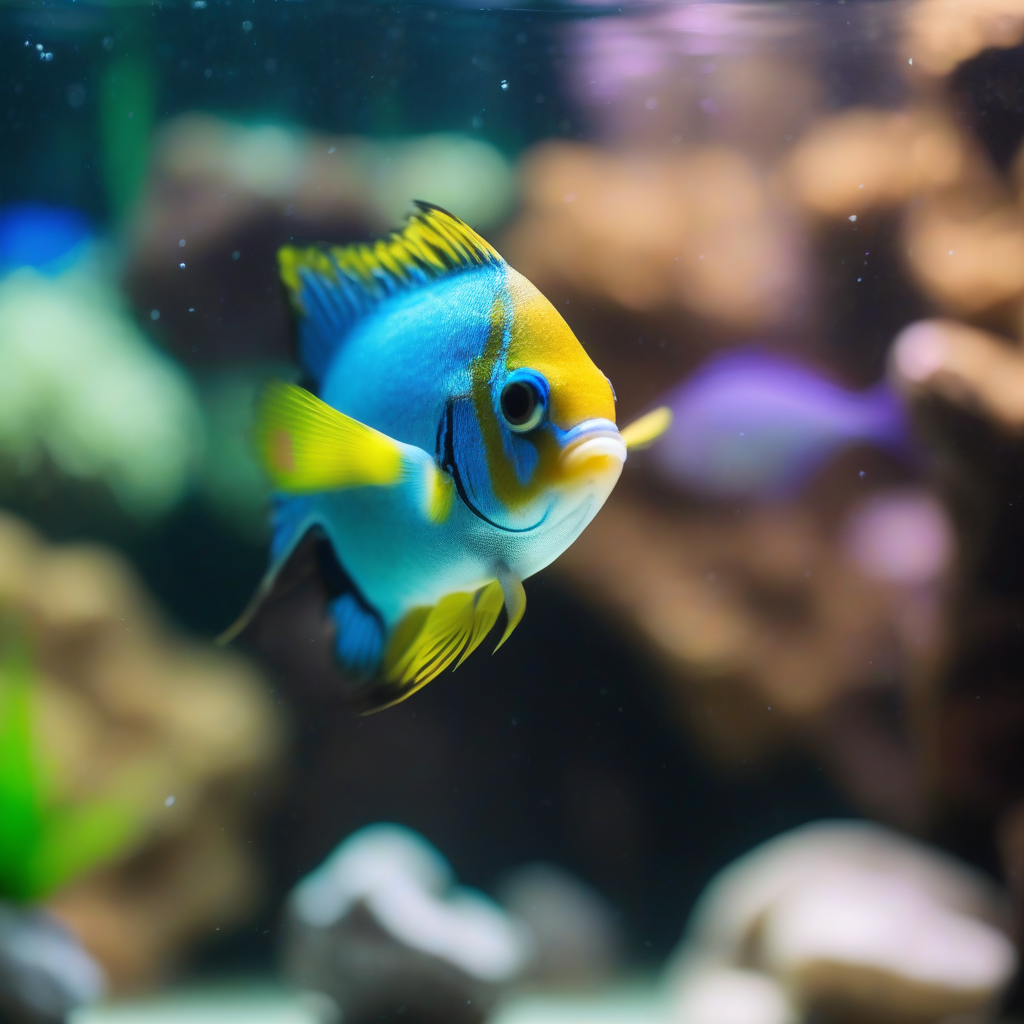
In this article, you will find comprehensive information on the insidious neurotoxic effects of heavy metal poisoning in aquarium fish, its symptoms, and lifesaving emergency intervention codes. This condition, which can arise from household water sources, improper equipment, or neglect, can severely threaten your fish's quality of life and lifespan.
Cats, who have lived alongside humans for thousands of years, have undergone remarkable changes in their dietary habits throughout evolution. While generally known as carnivores, the composition of modern cat food and its physiological effects on felines still hold many unreveiled secrets. Among these secrets lies the role of proteins, which extend far beyond merely being basic building blocks.
Recent research indicates that bioactive peptides, small chains of amino acids formed from the hydrolysis of proteins, have unexpectedly significant impacts on feline health and well-being. These peptides can directly influence digestion, immunity, and even cognitive functions.
The protein sources used in cat food are typically animal products such as meat, poultry, and fish. These proteins are essential for meeting a cat's amino acid requirements. However, the existence of bioactive peptides, formed when these large protein molecules break down, points to a more complex nutritional landscape.
Some of these peptides may exhibit prebiotic-like effects that support gut health, while others can modulate the immune system. Some may even interact with nerve transmission, positively affecting cats' moods and cognitive abilities.
Cats' cognitive abilities are generally measured by their memory, learning, and problem-solving skills. Studies suggest that certain bioactive peptides can influence neurotransmitter levels in the brain, thereby enhancing cats' mental agility. For instance, findings indicate that some peptides derived from hydrolyzed fish proteins can increase learning capacity and attention span in kittens.
This holds exciting potential for slowing cognitive decline or combating conditions like memory loss in aging cats. While research in this area is ongoing, using the right protein sources and appropriate hydrolysis methods could play a significant role in supporting cats' mental health. In this context, it's conceivable that similar nutritional strategies could be developed for age-related cognitive issues like mysterious canine dementia (CCD).
A strong immune system is key to protecting cats from diseases. Bioactive peptides are known to strengthen the immune system by regulating the activity of immune cells, reducing inflammation, and supporting antibody production. Peptides derived from immune-related proteins like lactoferrin and immunoglobulins have been observed to enhance cats' resistance to diseases.
This is particularly important during stressful periods, for kittens susceptible to illness, or for older cats. The role of these peptides in managing allergic reactions or sensitivities is also being investigated. Beyond acute conditions requiring immediate intervention, such as acute urinary blockage in cats, general immune support is vital for managing chronic health issues.
Not all protein sources yield the same quantity and types of bioactive peptides. Some common sources rich in bioactive peptides used in cat food include:
Nutrition is fundamental to optimizing your cat's overall health, vitality, and mental sharpness. Understanding the deeper, more mysterious effects of proteins, rather than just meeting basic nutritional needs, can guide owners in making the best choices for their cats.
When selecting food, paying attention to the type of protein source listed on the labels, and even opting for hydrolyzed protein-containing or bioactive peptide-rich foods where possible, can be beneficial. For your cat's specific needs, age, activity level, and any health concerns, consulting with your veterinarian to create the most suitable diet plan is essential.
Remember, your cat's diet does not just fill its stomach; it is a hidden force that shapes its inner world, health, and intelligence. Understanding this force correctly will allow you to have a longer, healthier, and happier life with your beloved companion. For more insights on this topic, exploring subjects like the secret focus points of the first 7 days of kitten adoption can help you provide the best start for your cat.
