
Your dog's liver is the body's most critical detoxification center. However, liver problems often show no symptoms until they reach a late stage. In this article, you will discover 5 insidious signs of toxin overload and scientific strategies you can implement to protect liver health.

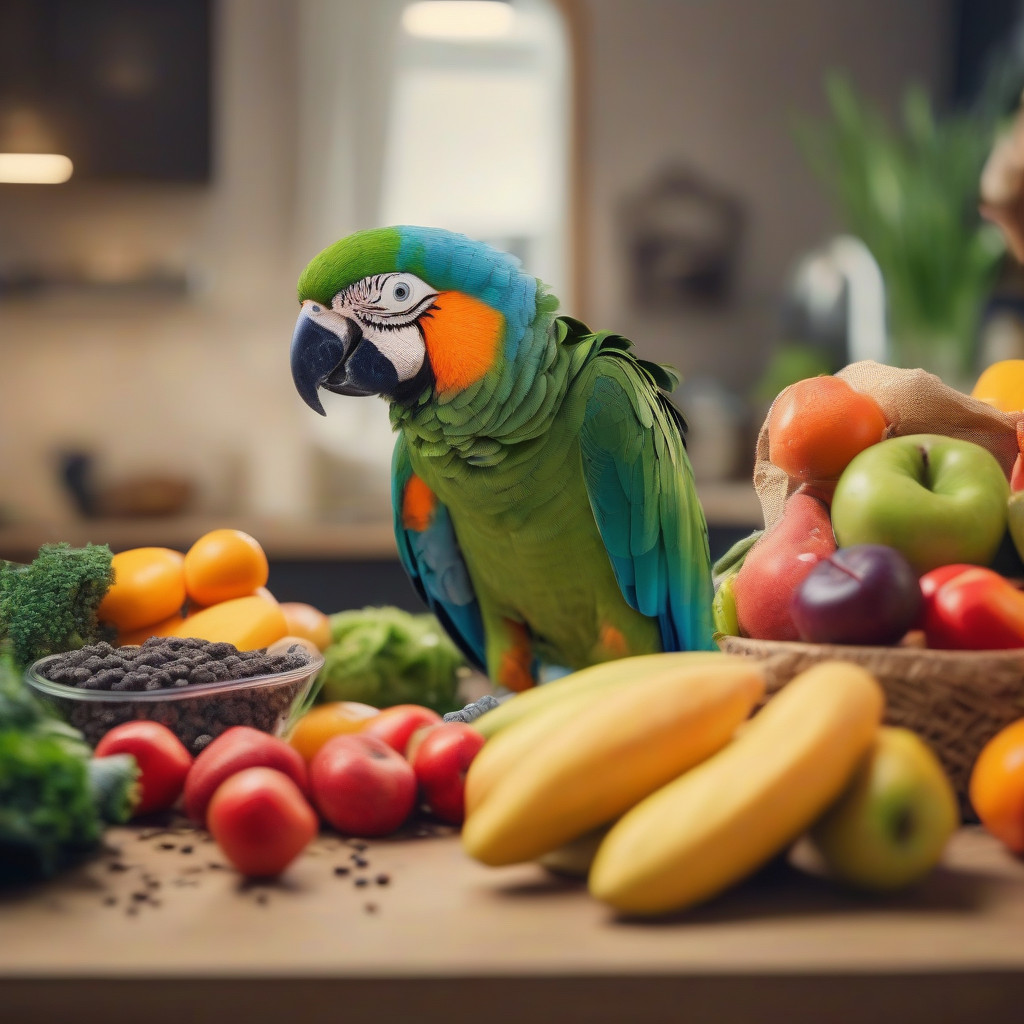
In this article, you will find comprehensive information about the insidious neurobiological effects of artificial colorings, preservatives, and flavors found in commercial bird feeds on your bird's brain health and mental vitality. We explore scientific nutritional secrets to combat these hidden dangers, shedding light on a wide spectrum of effects from behavioral changes to cognitive decline.

In this article, you can discover the scientific secrets to understanding your cat's undesirable habits, deciphering the neurocognitive mechanisms in their brain, and establishing lasting new routines.

Discover the types of burns your dog can suffer, the 5 insidious neurophysiological effects these burns create in the brain and body, and lifesaving emergency intervention strategies in this comprehensive guide. We shed light on the dangers behind forgotten household accidents from a scientific perspective.
Your dog's body is constantly bombarded by toxins from environmental factors, food, and metabolic processes every day. The main player in combating these toxins is the liver. The liver acts like an internal chemistry laboratory, filtering blood, neutralizing harmful substances, and ensuring their elimination from the body. However, this tireless organ often works with an insidious silence until problems become severe and reach a crisis point. As dog owners, understanding this 'invisible' functioning of the liver and recognizing potential dangers early is critically important for our companions to live long and healthy lives.
In this comprehensive guide, we will scientifically examine 5 insidious symptoms indicating an increased toxin load in your dog and present lifesaving strategies you can implement to support liver health. Get ready to gain vital information that will shed light on your dog's internal world, which you may have previously overlooked.
In dogs, the liver is a massive and complex organ that performs over 500 vital functions. It is closely linked to metabolism, immunity, and digestion. It regulates protein, fat, and carbohydrate metabolism, stores vitamins and minerals, produces bile, and most importantly, detoxifies toxins. This detoxification process occurs in two main stages: making toxins water-soluble (Phase I) and then binding them to compounds for elimination from the body (Phase II). Failure of the liver in these processes leads to the accumulation of toxins in the body and systemic damage.
Liver cells (hepatocytes) use a series of enzymatic reactions to neutralize toxins. In Phase I reactions, cytochrome P450 enzymes make toxins more reactive, preparing them for Phase II. In Phase II reactions, compounds such as glutathione, taurine, and sulfate bind to toxins, making them water-soluble and able to be eliminated via the kidneys or bile. A malfunction in this process can cause toxins to re-enter the bloodstream and disrupt the body's overall health.
Thanks to the liver's incredible adaptability, significant damage may occur before obvious symptoms are visible. Therefore, being alert to the insidious signs mentioned below is critical for early diagnosis and intervention.
Are you noticing a significant deviation from your dog's normally energetic state? Is he playing less, tiring faster? Unexplained chronic fatigue can be an indicator that the liver is struggling to perform its detoxification duties. The accumulation of toxins negatively affects cellular energy production and leads to general exhaustion. This condition can also be linked to the energy deficiencies mentioned in the article Your Dog's 'Insidious Fatigue Code': 5 Invisible Energy Thieves from Vital Micronutrient Deficiencies and Scientific Solutions to Restore Brain Power!.
Digestive issues such as vomiting, diarrhea, loss of appetite, weight loss, or unusual stool colors can be one of the first signs of liver dysfunction due to the liver's role in bile production and fat digestion. Difficulty digesting fatty foods, in particular, may suggest a problem with the liver's bile production capacity. Furthermore, an increased toxin load can adversely affect gut microbiota, creating an environment of 'silent inflammation' in the digestive system. For more information on this, refer to the article Your Dog's Hidden Protein Sensitivity Crystal: Unlocking the 5 Neurobiological Secrets of 'Silent Inflammation'!.
Dull, lifeless fur, itching, rashes, redness, or unexplained skin infections can indicate that the liver is not adequately clearing toxins, and these toxins are trying to be eliminated through the skin. In dogs with impaired liver health, the skin barrier may weaken, making them more susceptible to allergens. This situation may align with the skin problems detailed in Your Dog's 'Invisible Skin Rebellion': 5 Insidious Inflammation Signals Triggered by Environmental Allergens and Scientific Shield Strategies!.
When the liver's detoxification capacity decreases, toxins can cross the blood-brain barrier, affecting the central nervous system. This can lead to behavioral changes such as anxiety, restlessness, disorientation, lethargy, or even seizures. Such cognitive effects can also be indirectly related to topics like Your Dog's 'Shadow Thoughts': 5 Insidious Signs of Negative Cognitive Biases and Scientific Strategies to Enhance Mental Resilience!.
The liver is central to metabolism. Liver dysfunction can affect nutrient absorption, leading to unexplained weight loss or abnormal fat accumulation. Disruptions in energy metabolism and inflammation due to toxin buildup can make it difficult for your dog to maintain an ideal weight. Such changes may indicate that the feeding plan needs to be re-evaluated.
Taking proactive steps to protect and support liver health will improve your companion's quality of life in the long run. Here are some scientifically proven strategies:
Your dog's diet directly impacts liver health. High-quality, easily digestible proteins (e.g., lean meats), antioxidant-rich vegetables and fruits, and omega-3 fatty acids (fish oil) support the liver. Processed foods, artificial additives, and high-sugar products should be avoided. Remember that every dog's nutritional needs are different. Your Dog's 'Personalized Nutrition Map': 5 Scientific Secrets to Food Selection Based on Breed, Age, and Activity Level! can guide you in this matter.
Liver cells fighting toxins can suffer damage from free radicals during this process. Antioxidants like Vitamin C, Vitamin E, selenium, and glutathione minimize this damage, protecting liver cells. With your veterinarian's recommendation, adding antioxidant supplements to your dog's diet can be beneficial.
The home environment can also be rich in toxin sources. Cleaning products, pesticides, synthetic fragrances, and even some plants can be harmful to your dog. Using chemical-free cleaning products, choosing pet-friendly plants, and keeping your dog away from cigarette smoke will reduce the burden on the liver.
The most reliable way to catch liver problems early is through regular veterinary check-ups and blood biochemistry tests. Values such as liver enzymes (ALT, AST, ALP) and bilirubin provide important information about liver function. These tests should be performed more frequently, especially in older or at-risk dogs.
Some herbal extracts and nutraceuticals have properties that support liver health. For example, milk thistle (silymarin) has been scientifically proven to protect and promote the regeneration of liver cells. Supplements like SAMe (S-adenosylmethionine) and choline can also support liver functions. However, you must consult your veterinarian before using such products.
Your dog's liver is a silently working hero for their health. Understanding the toxin load on this organ and being vigilant about insidious signs will improve your companion's quality of life and prevent potential serious health problems. Remember, early diagnosis and proactive scientific support are key to preserving liver health and multiplying the happy years you spend with your dog. By maintaining regular communication with your veterinarian, you can create the best care plan tailored to your dog's specific needs.
