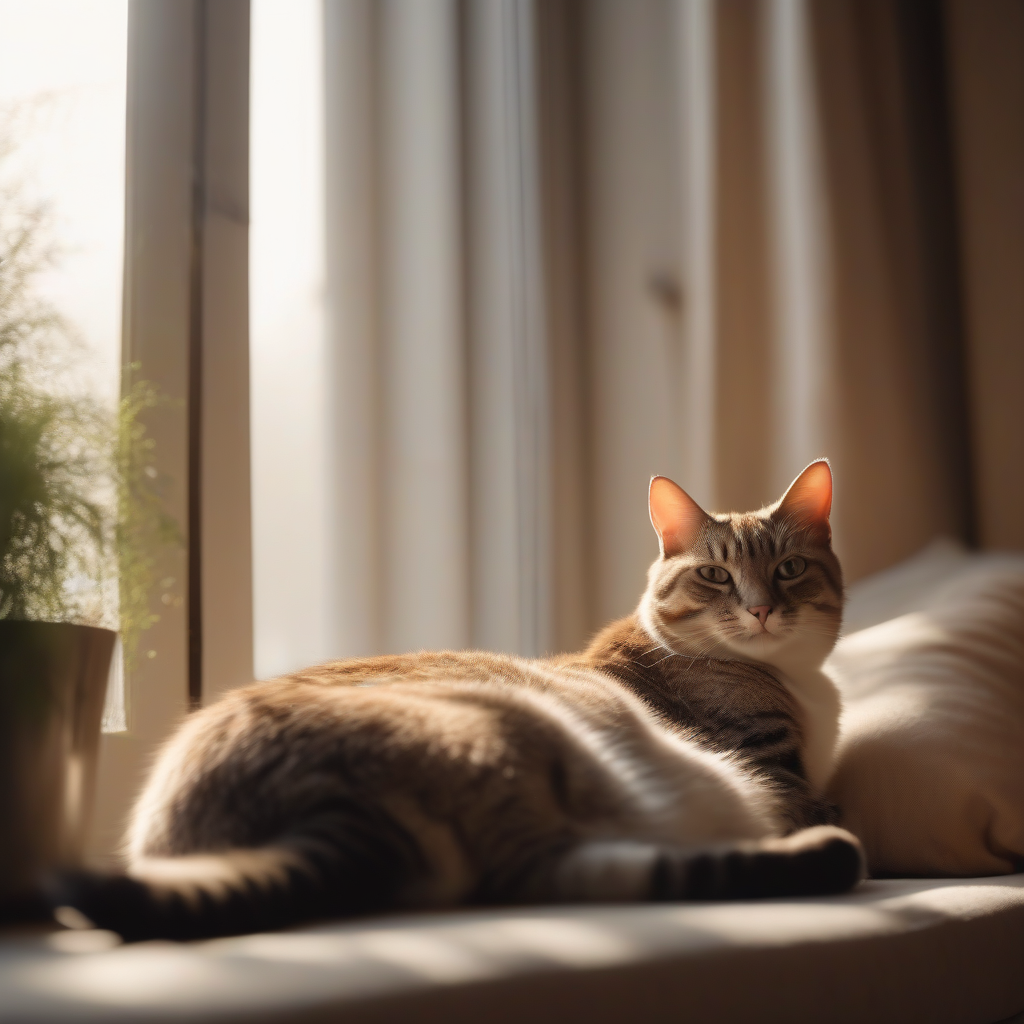
In this article, you will discover how cats' sensitive auditory world is affected by the home's micro-acoustic environment, the 5 neurobiological effects of constant noise on their brains, and scientific solutions for a peaceful living space.

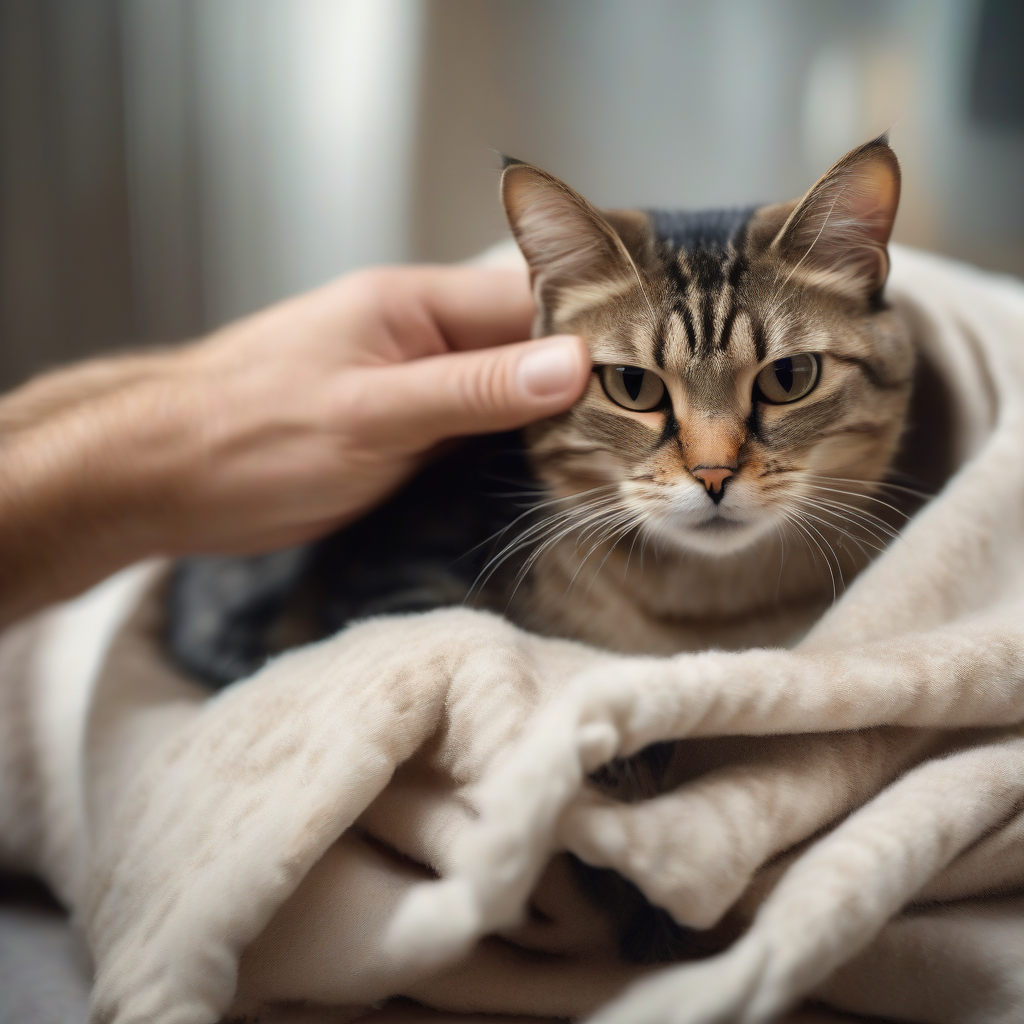
While cats possess a surprising ability to adapt to high-rise fall traumas, the insidious neurophysiological effects on their brain carry vital risks. In this article, we reveal 5 critical neurobiological effects your cat may experience after a fall and the lifesaving emergency intervention codes with scientific secrets.

In this article, you will discover how your rabbit copes with unexpected situations and its neurocognitive responses to non-routine events. Learn scientific secrets to enhance mental flexibility and manage stress.

In this article, you will find comprehensive information on the insidious neurophysiological effects of seizures in cats' brains and lifesaving emergency intervention codes during a seizure.
While our homes might be a sanctuary for us, for our feline companions, they can transform into a hidden labyrinth of sound. Frequencies beyond human perception, constant low-level hums, and sudden loud noises can create an 'invisible sound prison' in your cat's mind that you might not even notice. Cats' auditory senses, a legacy from their predatory ancestors, are far sharper and broader than humans'. This makes them highly sensitive to environmental sounds, and the home's micro-acoustic environment can have profound neurobiological effects on their health. So, how does this unseen noise pollution impact your cat's brain and behavioral health, and what can we do to create a more peaceful living space?
Cats can hear sounds up to 60,000 Hz, while humans can only perceive frequencies up to 20,000 Hz. This superior hearing allows them to easily detect even the faintest sounds made by mice or insects. However, the modern home environment can turn this sensitivity into a disadvantage. From the refrigerator motor to the computer fan, the hum of a TV in standby mode to traffic sounds from outside, numerous sounds create a constant load on your cat's auditory system.
Cats show extraordinary sensitivity to high-frequency sounds in particular. While advantageous for them in the wild, this means that ultrasonic sounds we unknowingly emit in our homes (e.g., some pest repellents or high-frequency signals from electronic devices) can be a constant source of discomfort and stress for cats. These sounds are often overlooked because they are imperceptible to humans, but they can continually activate a cat's nervous system.
Constant, low-level background noise in the home (different from white noise, which is irregular and undesirable sounds) can cause chronic stress in cats. These sounds constantly stimulate their natural predatory instincts, creating a perception of 'danger'. Scientific studies show that continuous noise exposure in animals increases cortisol levels and weakens the immune system. This directly affects your cat's calm and well-being.
The quality of the micro-acoustic environment at home has direct effects on your cat's brain health and behavioral well-being. Exposure to constant or sudden noise can trigger various negative responses in your cat's neurobiological systems:
The amygdala in your cat's brain is the region responsible for fear and anxiety responses. Constant noise exposure can over-activate the amygdala, causing the cat to feel perpetually on edge, tense, and fearful. This can lead to responses such as avoidance of social interactions, a tendency to hide, and even aggressive behaviors.
Chronic acoustic stress increases the secretion of cortisol from your cat's adrenal glands. High cortisol levels can lead to immune system suppression, inflammation, and oxidative stress. This paves the way for various health problems in the long term. In fact, the link between The Mystery of Your Cat's 'Silent Inflammation' and chronic stress is quite strong.
Noise pollution can disrupt your cat's sleep cycles. Deep and uninterrupted sleep is vital for brain functions and memory consolidation. Insufficient sleep can lead to cognitive decline, learning difficulties, and memory problems in cats. Additionally, physiological symptoms such as hair loss, as seen in Your Cat's Hidden 'Stress Reservoir', can also appear as a sign of stress.
Constant auditory stimulation can overload your cat's nervous system. This can lead to undesirable behavioral changes such as irritability, excessive meowing, destructive behavior, or urinating outside the litter box. Cats sometimes resort to such behaviors to escape an uncomfortable environment.
Recent research indicates that stress can affect gut microbiota, leading to disruptions in the gut-brain axis. Chronic anxiety caused by acoustic stress can negatively impact your cat's digestive system, which can further exacerbate their mood and cognitive functions. For more information on this topic, you can review our article Your Cat's Hidden 'Gut Codes'.
There are several scientific steps you can take to free your cat from the home's sound prison and ensure a peaceful life:
One of the most effective ways to reduce noise pollution at home is to provide sound insulation and absorption. Thick curtains, carpets, soft furnishings, and even acoustic panels can absorb sound waves, reducing echo and noise. Sealing gaps in windows and doors will also minimize external sounds.
White noise emitted at specific frequencies or cat-friendly calming music can help your cat feel more relaxed by masking sudden and disturbing sounds. These sounds can fill your cat's auditory system with a soothing monotony, lowering stress levels.
Keep noisy devices in the home (refrigerator, washing machine, dishwasher, etc.) away from areas where your cat frequently spends time. Additionally, minimize the vibrations and hums they produce by regularly maintaining these devices. Old or faulty appliances can generate more noise.
Cats need quiet, safe spaces where they can hide when they feel stressed. These areas can be cat trees in high places or enclosed cat beds. High spaces offer cats a secure vantage point, giving them a better sense of control over their surroundings and potentially lowering stress levels. For more information, you can check our article The Illusion of 'High Ground' in Your Cat's Mind. Additionally, to learn how to zero out stress through scent signals in the overall home design, you can read our article Your Cat's Secret 'Scent Architecture'.
Understanding the importance of the micro-acoustic environment is crucial for enhancing your cat's quality of life at home. By protecting their sensitive auditory system and creating a peaceful soundscape, you support both their physical and mental health. Remember, sudden changes in your cat's behavior can often be an indicator of environmental stress factors. Be observant and break free from this invisible sound prison, offering your cat the peaceful living space they deserve.
