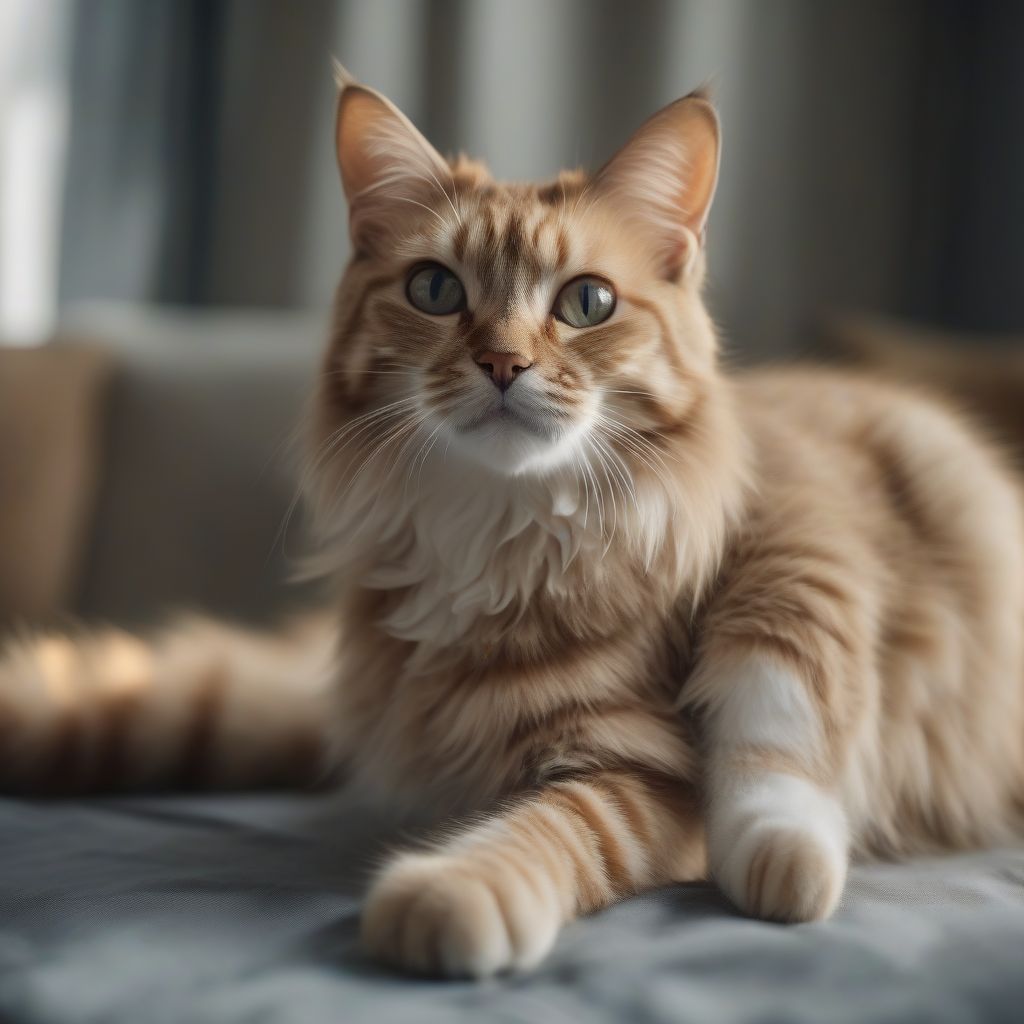
In this article, uncover the unknown secrets of your cat's scent signature zones at home and their profound impact on your cat's mental well-being. Learn practical strategies to reduce stress and improve quality of life.


Discover the neurobiological signals of hidden stress your newly adopted cat experiences during adaptation to a new social environment. This article reveals 5 insidious signs of your cat's silent struggle and scientific strategies for peaceful, long-term harmony.

Your dog's anal sacs, located beneath the tail, can be hidden alarm bells often overlooked but profoundly affecting their quality of life. In this article, you will discover the 5 insidious neurobiological effects of anal sac problems on the brain and the lifesaving care secrets you need to know for your furry friend to live a peaceful life.
In this article, you will find comprehensive information on the insidious neurotoxic effects of heavy metal poisoning in aquarium fish, its symptoms, and lifesaving emergency intervention codes. This condition, which can arise from household water sources, improper equipment, or neglect, can severely threaten your fish's quality of life and lifespan.
Cats experience the world very differently from how we perceive it. While visual cues and sounds are prominent for humans, for cats, their sense of smell is like a superpower. Our homes are not just physical spaces to them, but also a complex scent map. One of the most mysterious and influential elements of this map is your cat's 'scent signature zones.' These zones are vital for your cat to feel safe, relaxed, and to establish dominance.
Cats communicate through chemical signals called pheromones. These pheromones play a critical role in determining their mood, safety, and social relationships. Your cat 'marks' specific objects, furniture, and even interactions with you with pheromones secreted from glands on its face, paws, and tail. These marks create a 'safe zone' for your cat, confirming its presence in the home. These areas serve as a haven for your cat to retreat to and rebalance itself, especially in stressful or new situations.
Your cat's scent signature zones are often in overlooked or neglected places. High shelves, corners of furniture, windowsill perches, and even near your head while you sleep are prime locations where your cat leaves its pheromones. These zones can be places where your cat relaxes, sleeps, and even plays. If your cat regularly visits these areas and exhibits rubbing behavior, it indicates how important they are to it.
Understanding and supporting your cat's scent signature zones is essential for its mental well-being and domestic harmony. However, we can unknowingly disrupt this delicate balance. For instance, frequent cleaning or rearranging furniture can eliminate your cat's scent markings, creating uncertainty and stress for it.
Commercial pheromone sprays and diffusers that mimic your cat's natural pheromone secretions can help your cat feel more secure, especially in stressful situations (like a new pet, moving, veterinary visits). These products can be applied to areas where your cat spends most of its time or where it marks. They can play a significant role in reducing your cat's stress and lowering tension at home. For example, you might consider using these products to reduce general unease in the house. Similarly, in aquariums, environmental factors are crucial for fish stress, but for cats, it is more scent-focused. Our article, The Mysterious Power of Aquarium Lighting: Scientific Secrets to Breaking Your Fish's Invisible Stress and Unleashing Their Colors, explores the connection between habitat and well-being more broadly.
Re-evaluate your home cleaning routine. Harsh chemical cleaners or constant, thorough cleaning can erase your cat's scent markings. Whenever possible, opt for natural and unscented cleaning products. When cleaning, leaving your cat's favorite and frequently used areas untouched for a while will provide a source of comfort for it. This ensures your cat feels safe in its living space.
Scratching posts and vertical spaces (high shelves, cat trees) are ideal not only for cats to file their claws but also for them to mark their territory by leaving pheromones. These areas satisfy your cat's natural marking instinct, reducing stress and enhancing environmental enrichment. In our article, Unlocking Your Bird's Hidden Intelligence Potential: Scientific Secrets Behind Feathers and Designing Playrooms, the positive effects of environmental enrichment on different animal species are examined. Similar principles apply to cats.
Your interactions with your cat also involve scent sharing. Petting it affectionately, stroking its head, and playing games cause your cat to leave pheromones from its facial glands on you. This strengthens your cat's bond with you and makes it feel secure. Playing with your cat regularly is beneficial for both its physical and mental health and reduces stress levels. Breaking Your Cat's 'Stubborn' Behavior: Scientific-Based Positive Reinforcement and Emotional Intelligence Training Secrets will guide you on how to make these interactions more effective.
If you notice a sudden change in your cat's behavior, such as increased hiding, loss of appetite, or aggression, it could be a sign of a problem with its scent signature zones. Such changes may indicate that your cat is struggling to cope with environmental stressors. Our article, Your Dog's Hidden 'Den' Need: Not Just a Shelter, but Key to Mental Well-being!, emphasizes why a den space is so crucial for a dog's mental health. Similarly, the 'safe zones' your cat establishes through scent are critical for its emotional well-being.
Understanding your cat's 'secret territorial codes' at home is the key to building a deeper bond with it and improving its quality of life. By looking at its world through its eyes, you can reduce stress and raise a happier, more balanced companion.
