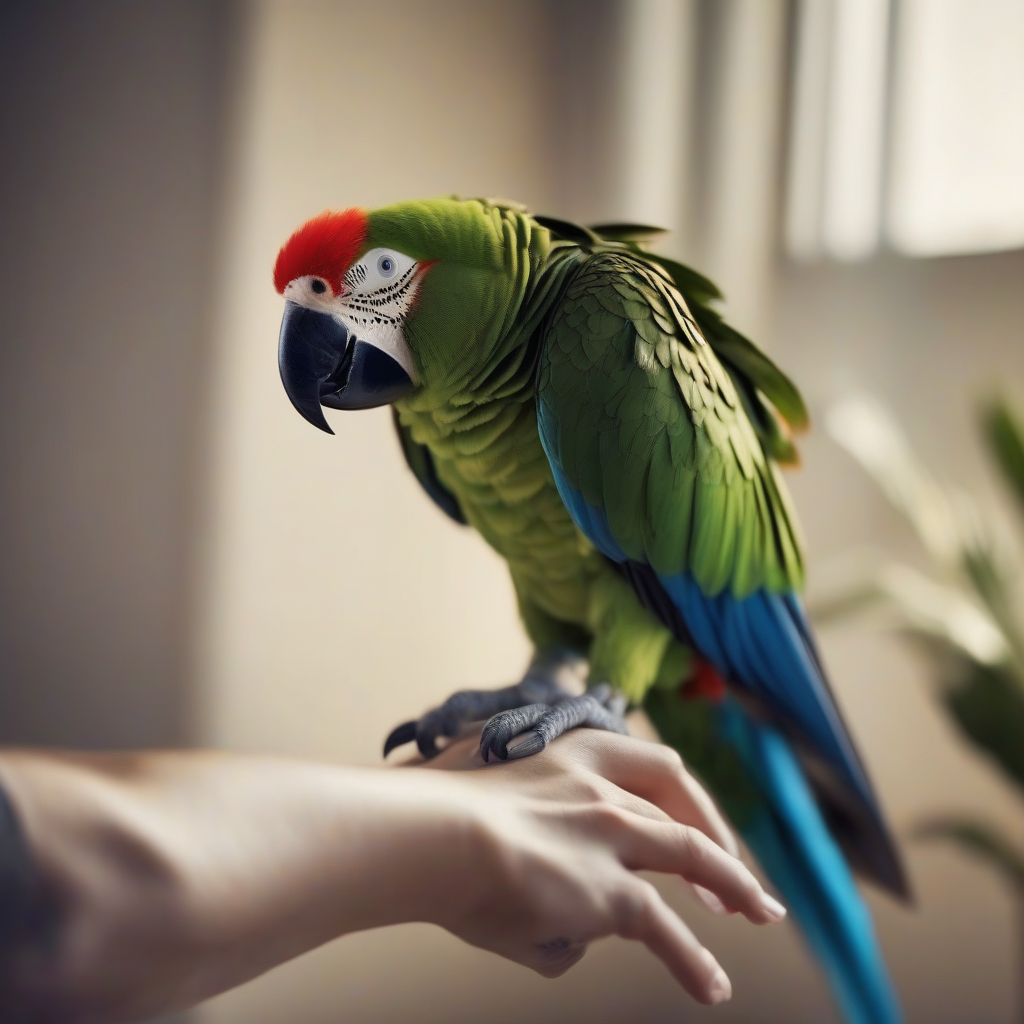
Your bird's often-overlooked foot health is vital for its long-term well-being. In this article, you will discover the silent dangers of incorrect perching habits, foot anatomy, appropriate perching materials, and science-backed care strategies. Optimize your bird's foot health and detect potential discomfort early with expert tips.


Discover the neurobiological signals of hidden stress your newly adopted cat experiences during adaptation to a new social environment. This article reveals 5 insidious signs of your cat's silent struggle and scientific strategies for peaceful, long-term harmony.

Your dog's anal sacs, located beneath the tail, can be hidden alarm bells often overlooked but profoundly affecting their quality of life. In this article, you will discover the 5 insidious neurobiological effects of anal sac problems on the brain and the lifesaving care secrets you need to know for your furry friend to live a peaceful life.
In this article, you will find comprehensive information on the insidious neurotoxic effects of heavy metal poisoning in aquarium fish, its symptoms, and lifesaving emergency intervention codes. This condition, which can arise from household water sources, improper equipment, or neglect, can severely threaten your fish's quality of life and lifespan.
As bird owners, while we focus on the brilliance of our companions' feathers, the beauty of their songs, and their playful antics, we often overlook one of their most fundamental needs: foot health. Yet, birds' feet are critical organs used for balance, movement, feeding, and even socialization in their natural habitats. For pet birds, inappropriate perching habits and habitat arrangements can be the silent beginning of serious health issues. As of March 2026, recent research in this area reveals how we can protect our birds' foot health with simple yet effective care strategies.
Bird feet exhibit astonishing diversity according to their species. Climbers, swimmers, raptors, and passerines each have specialized foot structures adapted to their lifestyle. The common thread is that these delicate structures are under constant load for most of the day. The soles, bones, tendons, joints, and nails all work as a unit to allow the bird to move securely both inside and outside the cage. Incorrect perching materials or habits can create abnormal pressures on this complex system, leading to irreversible damage over time.
Improper perching can lead to a range of foot problems in birds, primarily 'Bumblefoot' (Pododermatitis). This condition is an inflammatory disease characterized by redness, swelling, and ulcerations on the footpad, typically caused by constant pressure on hard, smooth, or uniform perching surfaces. If unnoticed in early stages, the infection can progress to the bones and become life-threatening. Additionally, joint pain, arthritis, and even nail abnormalities can result from incorrect perching. Any changes you observe in your bird's feet, similar to the body language signals mentioned in our article Your Bird's 'Silent Communication Language': Misunderstood Body Language Signals After Adoption and Scientific Secrets to Building a Deep Bond, could indicate that something is wrong.
Being proactive is essential to maintaining and improving your bird's foot health. Here are some science-backed tips:
Perches inside the cage are one of the most critical factors for your bird's foot health. Avoid single-type, smooth plastic perches. Natural branches offer varying diameters and textures, ensuring that foot muscles work in continuously different ways and blood circulation is regulated. This is vital for preventing pressure sores. Aim to use at least three perches of different diameters and materials: for example, an applewood branch, a cotton rope perch, and a mineral perch. As mentioned in Your Bird's Invisible Stress Factors: Cage Microclimate and Scientific Secrets of Safe Zones, proper cage arrangement will also enhance overall well-being.
Bird nails are designed to wear down naturally. Perches with various textures help nails stay at a healthy length. However, in some birds, especially less active ones or those with genetic predispositions, nails can become overgrown. Overgrown nails can get snagged on perches, break, and even disrupt the foot's natural posture, leading to pain. Regularly check their nails. If they are too long, ensure they are trimmed correctly by a veterinarian or an experienced bird handler. Never attempt to trim them yourself, as incorrect trimming can cause bleeding or nerve damage.
Regular cleaning of the cage bottom minimizes your bird's feet's contact with droppings or dirt. Dirty environments increase the risk of infection. Furthermore, appropriate humidity levels for certain bird species prevent their foot skin from drying out, thereby preventing cracks and sores. Offering bathing opportunities (a water dish or bird spray) helps many birds keep their feet and feathers clean. This can also positively affect your bird's mood, as uncomfortable itching or pain is relieved. As also discussed in our content, Your Bird's 'Invisible Emotion Map': Decoding Out-of-Cage SOS Signals and Strengthening Mental Well-being, physical discomfort can lead to emotional distress.
Your bird's diet is the foundation not only for its feathers and energy but also for its bone and joint health. An adequate balance of calcium, phosphorus, and Vitamin D is essential for strong bone structure. This plays a critical role in preventing bone deformities and joint problems in the feet. A proper feeding program and, if necessary, supplements given under veterinary supervision, support your bird's overall skeletal health. Especially as highlighted in our article Your Bird's Hidden Solar Energy: Lifesaving Vitamin D and Happiness Secrets with Invisible UVB/UVA Spectrum, Vitamin D metabolism is indispensable for calcium absorption.
Despite all the precautions above, foot problems can still develop in your bird. Regular veterinary check-ups allow for the early diagnosis of potential issues. A specialist can spot signs such as redness, swelling, nail abnormalities, or changes in gait. Early intervention significantly increases the success of treatment and prevents chronic problems. Remember, as emphasized in articles like Your Bird's 'Secret Sound Symphony': Meanings of Beak Sounds and the Art of Understanding Stress-Induced Feather Plucking Behavior, birds tend to hide their pain and discomfort. Therefore, even a small behavioral change could be a warning sign.
Your bird's foot health is an inseparable part of their overall quality of life and happiness. With correct perch selection, regular nail care, a hygienic living environment, and a balanced diet, you can protect these delicate organs of your little friends. Remember, knowledge and awareness are key to providing our pets with a longer, healthier, and happier life. By deciphering your bird's 'Secret Foot Map,' you can create a brand new zone of comfort and security in their world.
