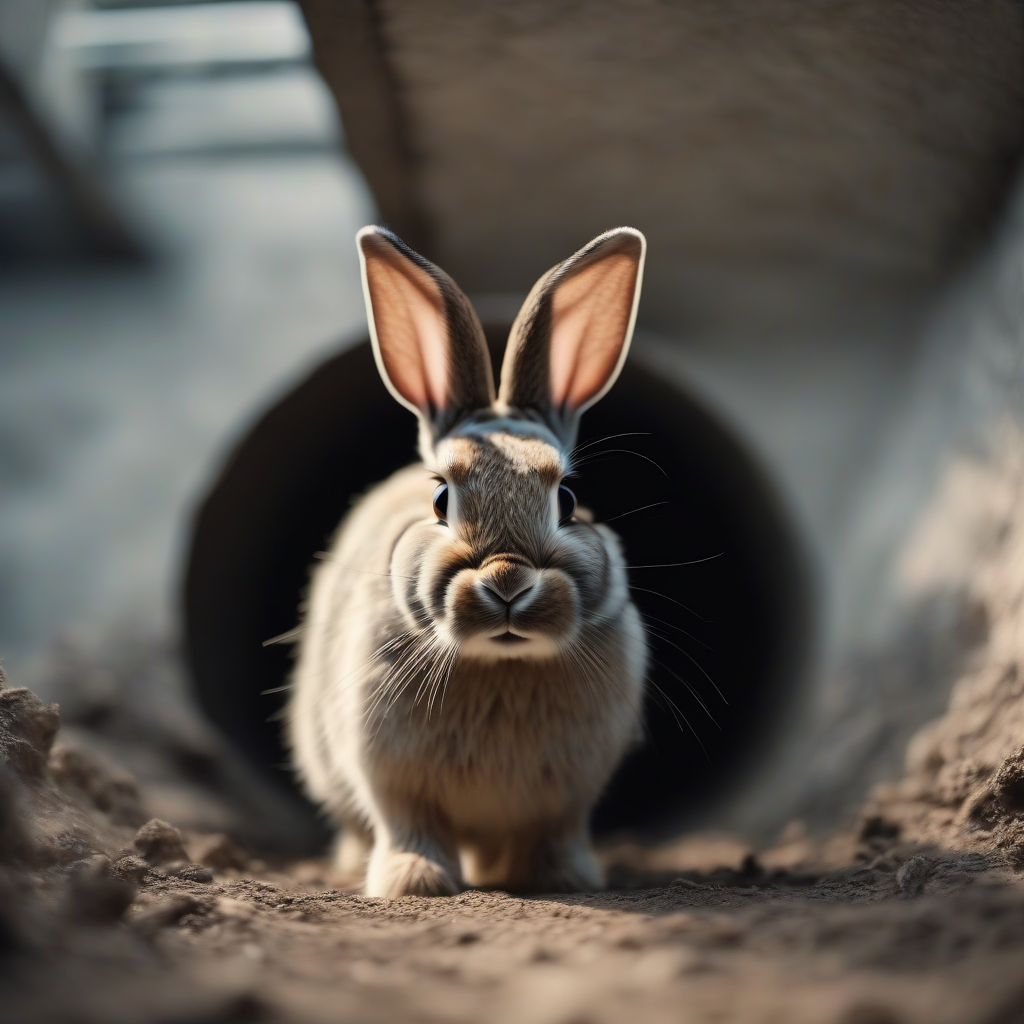
In this article, you will discover how to safely and enrichingly meet your rabbit's natural tunneling and burrowing instincts in a home environment, thereby reducing stress and supporting intelligence development.


In this article, you will discover the 5 insidious neurobiological effects of the Encephalitozoon Cuniculi parasite, which is often overlooked in rabbits but severely affects the brain, along with lifesaving early diagnosis methods.

In this article, we will deeply explore the insidious neurobiological effects of gut microbiome imbalance (dysbiosis) on your rabbit's brain health and provide scientific-based solutions to maintain mental vitality.

In this article, you can find comprehensive information on how pancreatitis in dogs not only affects the digestive system but also insidiously impacts the brain, its neuroinflammatory mechanisms, and lifesaving emergency intervention strategies.
Domestic rabbits might be one of the most misunderstood among our furry companions. While often perceived as quiet, hay-munching, adorable creatures sitting silently in their cages, they actually possess deep-seated wild instincts and complex behavioral needs. Foremost among these needs is the inherited drive to tunnel and burrow, passed down from their ancestors. Transforming your rabbit's living space from just a shelter into its 'underground kingdom' is vital for both its physical and mental health. As of March 2026, the latest scientific advancements in pet welfare reveal how meeting these natural instincts can dramatically enhance our rabbits' quality of life.
Rabbits are natural architects. In the wild, they construct complex tunnel systems, known as "burrows," to create safe havens for themselves. These tunnels serve not only for shelter but also for protection from predators, raising young, temperature regulation, and social interaction. Domestic rabbits, even though domesticated, retain these instinctive urges. Failing to provide them with this opportunity can lead to serious behavioral and psychological problems.
The habit of tunneling in rabbits has been shaped over millions of years of evolution. For these creatures, vulnerable to predators, underground shelters are a fundamental key to survival. Digging into the earth is an instinctive search for security. Furthermore, the stable temperature underground helps rabbits regulate their body heat during extreme hot or cold weather. This instinct is also present in your pet rabbit; digging under the couch, chewing the carpet, or trying to tunnel under the bed are all indicators of this deep-seated need.
Tunneling for rabbits is not just a physical activity but also a mental exercise. This activity alleviates boredom, expends energy, and reduces stress. When rabbits have the ability to shape their own environment, they become happier and more confident individuals. Physically, it ensures natural claw wear and increases muscle strength. This is crucial for foot health, especially as highlighted in the article Your Rabbit's Hidden Foot Problems: Blind Spots of Wrong Flooring Choices and Scientific Solutions for a Healthy Living Space!.
It's possible to find creative and safe solutions to meet your rabbit's tunneling instinct in a home environment. Our goal is to encourage their natural behaviors while protecting your household items and providing a safe space.
You can find many tunnels and toys specifically designed for rabbits on the market. These are usually made from safe, edible materials like hay, cardboard, wood, or safe plastics. Interconnecting, expandable tunnel systems satisfy your rabbit's exploratory instincts while offering a secure hiding spot. These tunnels allow your rabbit to quickly hide when it perceives a sudden danger, mimicking its natural "escape" behavior.
Making your own digging box at home is quite easy. You can fill a large cardboard box or plastic storage container with safe, edible materials:
Transforming your rabbit's living space from a single plane into a multi-layered structure interconnected by tunnels increases its mental stimulation. Platforms linked by ramp and tunnel systems allow your rabbit to move, explore, and hide at different levels. Such a habitat can also ease your rabbit's adaptation process to a new home. As mentioned in the article Your Rabbit's First Steps: Hidden Trust Codes and the Art of Adapting to Its New Home (2026), a safe and enriching environment is key to adaptation.
Rabbits are sensitive animals and are highly susceptible to environmental stressors. Loud noises, sudden movements, or a lack of adequate hiding spaces can lead to chronic stress. The opportunity to tunnel and hide in tunnel systems significantly reduces this stress.
One of a rabbit's most basic needs is to feel secure. The instinct to hide from predators makes them constantly seek an escape route or a hiding place. Tunnels and enclosed spaces make your rabbit feel safe. This private area helps it rest, relax, and compose itself. Consequently, its general behavior is positively affected, and it feels more open and secure with its owner. Just as emphasized in the article Your Rabbit's 'Silent Language of Consent': Overlooked Communication Secrets in Touch and Interaction, and the Art of Building Trust, a trusting environment is the foundation of all interactions.
Boredom is the root cause of many behavioral problems in rabbits, such as destructive chewing, aggressive behaviors, or excessive grooming. Tunneling prevents this boredom and allows your rabbit to expend its energy constructively. Giving them a "job" keeps them mentally engaged and prevents them from getting bored.
Rabbits are quite intelligent animals and require mental stimulation. Complex tunnel systems enhance their problem-solving skills and allow them to utilize their natural intelligence.
A tunnel system featuring different paths, hidden corners, and dead ends keeps your rabbit's brain active. Discovering new routes, overcoming obstacles, and learning about its environment are indispensable for its mental health. This type of enrichment increases your rabbit's interest in its surroundings and prevents it from becoming passive.
By hiding small treats or their favorite herbs within the tunnel systems, you can create a fantastic "hunting" game for your rabbit. This mimics their natural foraging behavior and provides mental stimulation. Such games, which enhance problem-solving skills, also boost your rabbit's self-confidence.
When creating an underground kingdom for your rabbit, some important points need attention.
Tunnel systems and digging boxes must be cleaned regularly. Daily checks and weekly thorough cleaning are essential, especially in areas where hay or soil is used, to prevent bacterial growth. Otherwise, these areas can invite health problems.
When designing your rabbit's living space, consider its natural predator perception. Always design tunnels with multiple entry/exit points to ensure it doesn't feel trapped. Furthermore, you should also consider the overall room temperature, as stated in the article Your Rabbit's Invisible Heat Stroke: Hidden Symptoms of a Silent Threat and Lifesaving Emergency Intervention Secrets (March 2026), extreme temperatures can be fatal for rabbits, and tunnels can either increase or decrease these risks.
Designing your rabbit's living space according to its natural needs is not just a luxury but a necessity. By meeting their instinctive urge to tunnel and explore, you ensure your rabbit lives a happier, less stressed, and mentally richer life. Providing them with this 'underground kingdom' will be key to a deep bond and mutual understanding for both you and your furry friend. Remember, a happy rabbit is one that can freely express its natural instincts.
