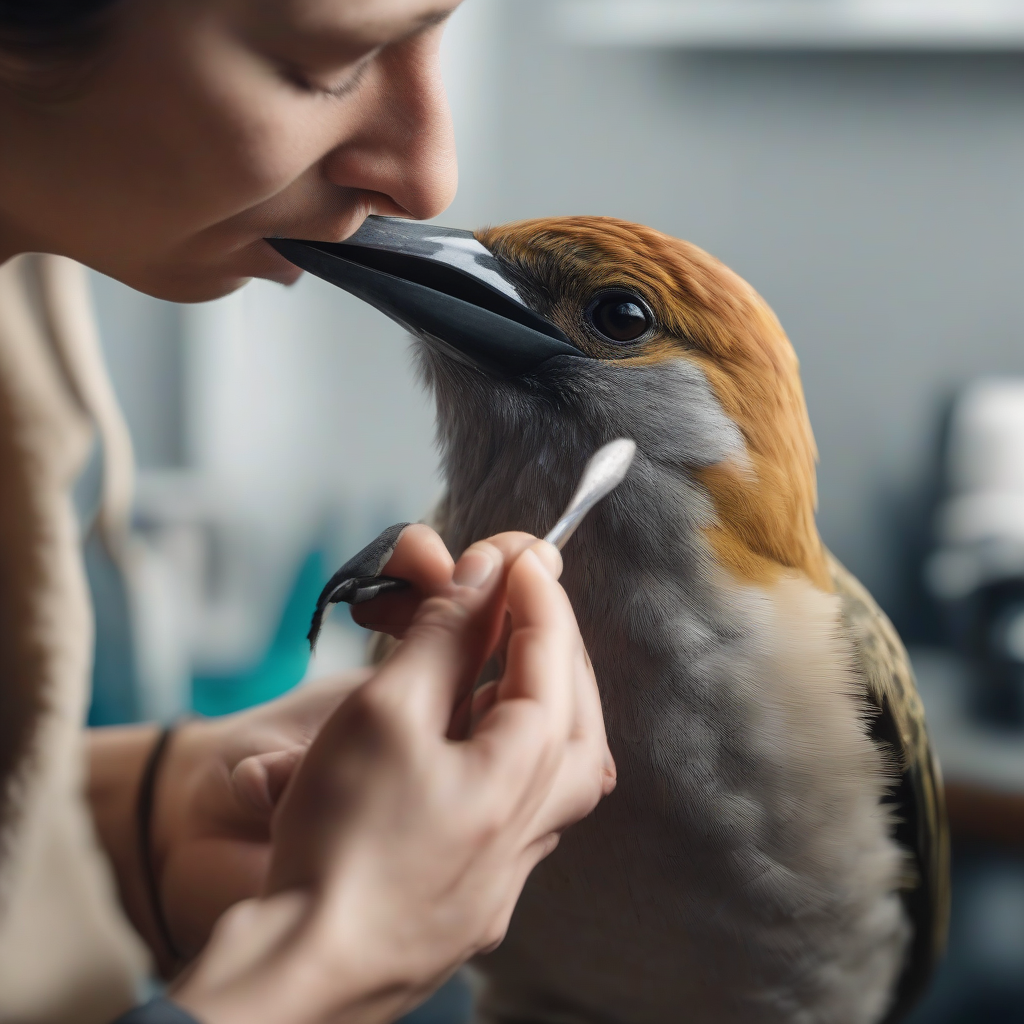
In this article, discover the neurobiological foundations of your bird's beak and nail health, the intricacies of their care, and scientific protocols to zero out stress.

Discover the types of burns your dog can suffer, the 5 insidious neurophysiological effects these burns create in the brain and body, and lifesaving emergency intervention strategies in this comprehensive guide. We shed light on the dangers behind forgotten household accidents from a scientific perspective.

Discover the neurobiological signals of hidden stress your newly adopted cat experiences during adaptation to a new social environment. This article reveals 5 insidious signs of your cat's silent struggle and scientific strategies for peaceful, long-term harmony.

Your dog's anal sacs, located beneath the tail, can be hidden alarm bells often overlooked but profoundly affecting their quality of life. In this article, you will discover the 5 insidious neurobiological effects of anal sac problems on the brain and the lifesaving care secrets you need to know for your furry friend to live a peaceful life.
Birds rely on their beaks and nails to survive and thrive in their natural environment. However, in our pet birds, the care of these vital organs is often overlooked or misunderstood. Yet, beak and nail health directly impacts your bird's neurobiological well-being, from feeding habits to social interactions, and even stress levels. In this article, we will delve into the unknown neurobiological secrets of your bird's beak and nail structure, potential risks, and scientific care protocols that minimize stress.
Birds' beaks and nails are not merely physical tools; they are complex neurobiological structures filled with nerve endings that facilitate interaction with the environment, directly shaping food intake and mobility. When the health of these structures is compromised, the bird's brain produces various stress signals, leading to behavioral changes, pain, and a decline in overall well-being.
Understanding that your bird's beak and nails are not just physical extensions is the first step towards providing proper care. Here are 5 neurobiological secrets you need to know:
Birds' beaks and nails possess a dense network of nerves that perceive touch, pressure, and pain. The beak tip and nail bed, in particular, are highly innervated. Incorrect trimming or excessive overgrowth can trigger these nerve endings, causing severe pain and chronic stress. This creates a neurocognitive barrier that negatively impacts the bird's eating, playing, and even perching. Veterinary specialists can offer specific trimming techniques and anesthesia options, considering this sensitivity.
Beaks are used for complex motor skills such as feeding, preening, nest building, and defense, while nails are essential for perching, climbing, and gripping. Overgrown or deformed beaks and nails restrict these motor functions. The brain perceives this restriction, preventing the bird from performing its natural behaviors. This can lead to frustration, learned helplessness, and stress-induced behavioral disorders such as [Your Bird's 'Secret Feather Plucking Alarm': 5 Neurocognitive Secrets of Stress, Hormones, and Environmental Triggers!].
Birds constantly need activities that naturally wear down their beaks and nails (exploring the environment, chewing toys, perches with different textures). These activities not only provide physical wear but also support the bird's mental stimulation, which is connected to [Your Bird's Secret 'Play Brain': 5 Neurocognitive Secrets Shaping Mental Stimulation and Well-being!], and their circadian rhythms. Insufficient environmental enrichment disrupts this natural cycle, leading to abnormal growth and triggering neurobiological imbalance.
Constant pain or discomfort caused by overgrown or deformed beaks and nails triggers a chronic stress response in the bird's body. This leads to continuously elevated levels of stress hormones like cortisol. High cortisol levels can suppress the immune system, increase the risk of [Your Bird's Hidden 'Organ Fatigue' Alarm: 5 Insidious Neurophysiological Signs and Emergency Intervention], and deepen behavioral problems. Proper care is vital to break this cycle.
For birds, care routines either strengthen or weaken their bond with humans. Potentially stressful procedures like beak and nail care, when approached correctly, offer an opportunity for [Your Bird's 'Individual Bonding Map': 5 Neurocognitive Secrets to Deep Bonding with Humans After Adoption!]. A calm, gentle, and rewarding approach can trigger the release of oxytocin and vasopressin in the bird, increasing trust. Traumatic experiences, however, reinforce fear and avoidance behaviors.
To maintain your bird's beak and nail health and enhance its neurobiological well-being, proactive steps must be taken:
It is essential to provide perches with various textures (natural wood, mineral blocks) and chewing toys that support your bird's natural wear habits. This provides both physical wear and mental stimulation. Chewable toys, mineral blocks, and cuttlebone are crucial for beak health.
Regular inspection of your bird's beak and nails by a veterinarian is critical for detecting potential problems early. Special species or older birds, in particular, may need more frequent professional assistance. Veterinarians minimize the risk of trauma by using correct trimming techniques and appropriate tools.
A balanced and species-appropriate diet directly affects the correct growth rate and quality of beaks and nails. For example, adequate calcium and vitamin D intake are necessary for healthy bone and beak structure. As stated in our article [Your Bird's Secret 'Nutritional Shield': 5 Critical Neuro-Nutrient Secrets for Feather Health and Scientific Protocols for a Lustrous Appearance!], nutrition affects not only feather health but all body systems.
Create a calm environment during your bird's beak and nail care. Use patience and positive reinforcement instead of force. Discuss methods with your veterinarian to reduce your bird's stress during vet visits (e.g., towel wrapping, dimly lit environment).
Your bird's beak and nails are not just physical extensions, but also sensitive indicators of its neurobiological well-being. The meticulous and science-based care given to these organs not only ensures your bird stays physically healthy but also supports its mental and emotional balance. With regular veterinary check-ups, an enriched living environment, and proper nutrition, you can maximize your bird's quality of life.
