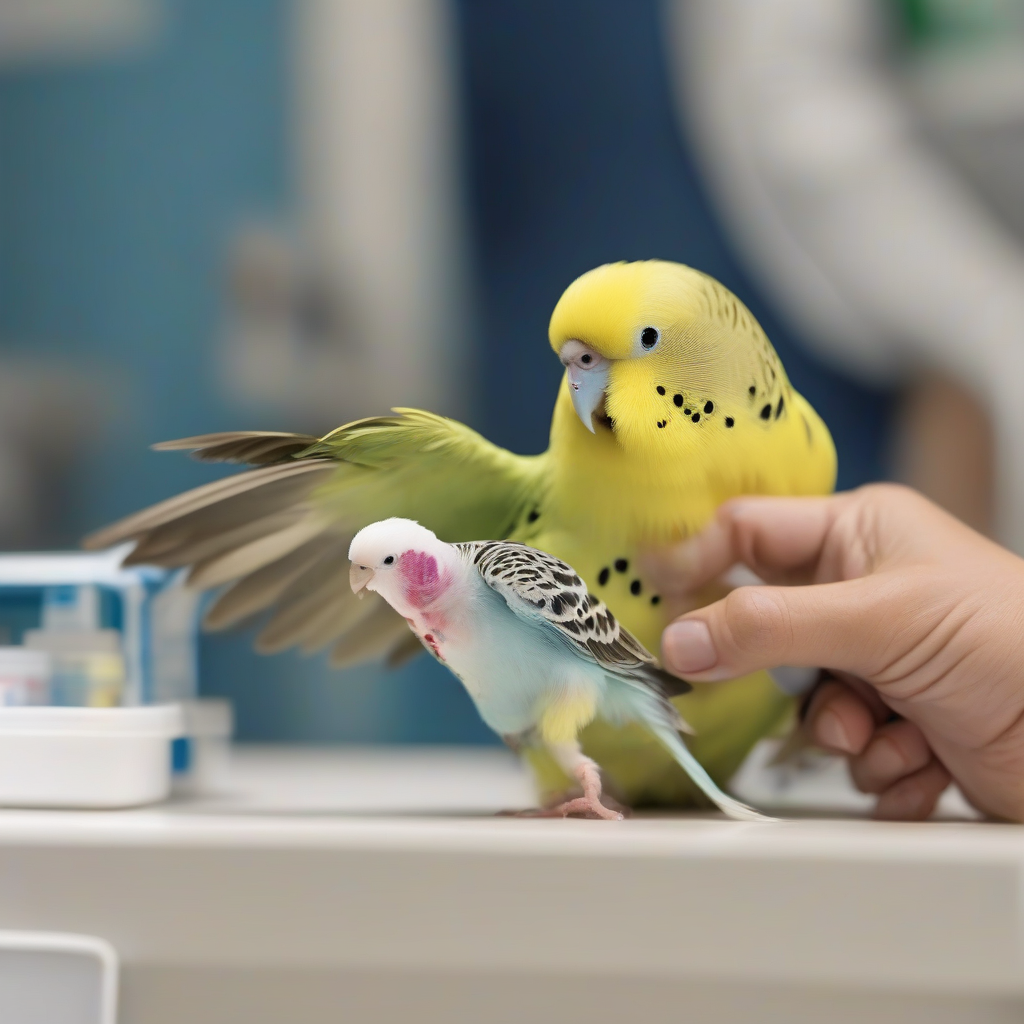
The panic you feel when your bird unexpectedly bleeds is understandable. However, prompt and correct intervention can save your tiny friend's life. In this article, you will discover 5 lifesaving first aid techniques you can apply in your bird's acute bleeding emergencies and the scientific secrets to stop the bleeding.

In this article, you will discover the little-known but profound effects of the acoustic environment in rabbit living spaces on their brain health and general well-being, exploring the neurobiological consequences of both sound deprivation and overstimulation, and scientific secrets to creating a peaceful environment. Understand and optimize your rabbit's world with expert tips.
In this article, you will find comprehensive information about the insidious neurobiological effects of artificial colorings, preservatives, and flavors found in commercial bird feeds on your bird's brain health and mental vitality. We explore scientific nutritional secrets to combat these hidden dangers, shedding light on a wide spectrum of effects from behavioral changes to cognitive decline.
In this article, you can discover the scientific secrets to understanding your cat's undesirable habits, deciphering the neurocognitive mechanisms in their brain, and establishing lasting new routines.
Birds, due to their delicate structure and rapid metabolism, can be at serious risk even from the smallest blood loss. A blood feather hemorrhage, a tiny cut, or a nail bleed can instantly send a bird owner into a 'red panic'. However, maintaining your composure and taking the right steps during these critical moments is key to saving your tiny friend's life. As of August 2026, with the most up-to-date information in veterinary medicine, you will find 5 lifesaving first aid techniques you can apply in your bird's acute bleeding emergencies and the scientific secrets to stop bleeding in this guide.
Bleeding in birds can occur for various reasons, each requiring rapid intervention. The most common causes of bleeding include:
Due to their small body weight, birds also have a very limited blood volume. The total blood volume of a budgerigar is approximately 1-2 ml, while that of a parrot is around 5-10 ml. This means that even a 10% blood loss can create a severe emergency. Blood loss can rapidly lead to hypothermia, shock, and death. Furthermore, the risk of dehydration increases after blood loss. This situation is explained in detail in our article Your Bird's 'Hidden Dehydration Shadow': 5 Insidious Neurophysiological Effects of Chronic Dehydration on the Brain and Lifesaving Hydration Strategies!.
When you notice bleeding in your bird, stay calm and follow these steps:
For bleeding originating from a minor wound or nail, apply gentle but continuous pressure directly to the wound using a clean gauze pad or cotton cloth. Wait for about 5-10 minutes, depending on the severity of the bleeding. This encourages blood clotting and minimizes blood loss. Never wrap tightly or apply pressure in a way that obstructs the bird's breathing.
Hemostatic powders (blood-stopping powders) available at veterinary clinics and pet stores are very effective, especially for nail and blood feather bleeds. If you do not have hemostatic powder, you can use cornstarch or flour as an alternative. These substances can help the blood clot, slowing or stopping the bleeding. Apply the powder to the bleeding area and gently press.
A broken blood feather can bleed continuously, and applying pressure might not be enough. In this case, it may be necessary to firmly grasp the base of the bleeding feather with tweezers or small pliers and pull it out with a swift and decisive motion. This procedure can be painful and cause further stress to the bird, so it should only be done when absolutely necessary and, if possible, under the guidance of a veterinarian. If you are inexperienced or your bird is highly stressed, only apply pressure and go to the vet immediately. Pulling a blood feather can damage the feather follicle and affect future feather growth, but stopping blood loss is vital.
Birds experiencing blood loss can quickly go into shock. In this state, their body temperature may drop, and their heart rate may increase. Move your bird to a calm, dimly lit, and warm environment. Help it maintain its body temperature by wrapping it in a clean towel or blanket. Try to reassure it by speaking softly. Stress can increase bleeding and slow down the recovery process.
Even if the bleeding has stopped after applying the first aid techniques above, it is essential for your bird to be examined by a veterinarian. Even minor bleeds can indicate internal damage or other complications. Especially if the bleeding is severe, persistent, if your bird becomes lethargic, or shows signs of loss of consciousness, reach the nearest avian veterinarian without delay. Articles like Your Cat's 'Invisible Fall' Risk: 5 Insidious Internal Injury Signals from High-Rise Falls and Lifesaving Emergency Intervention Codes! emphasize how dangerous hidden internal injuries can be in animals in general.
Stopping bleeding (hemostasis) involves a complex series of physiological processes in the body:
First aid techniques applied at home support these natural processes. Pressure encourages platelets and clotting factors to accumulate at the injured site, while hemostatic powders contain topical substances that accelerate clotting.
While encountering an acute bleeding situation in your bird can be stressful, you can manage it with the right knowledge and preparation. Remember, quick and informed intervention saves lives. Always consult a veterinarian for advice as it is the safest approach. Stay vigilant for your tiny friend's health and be prepared for emergencies.
