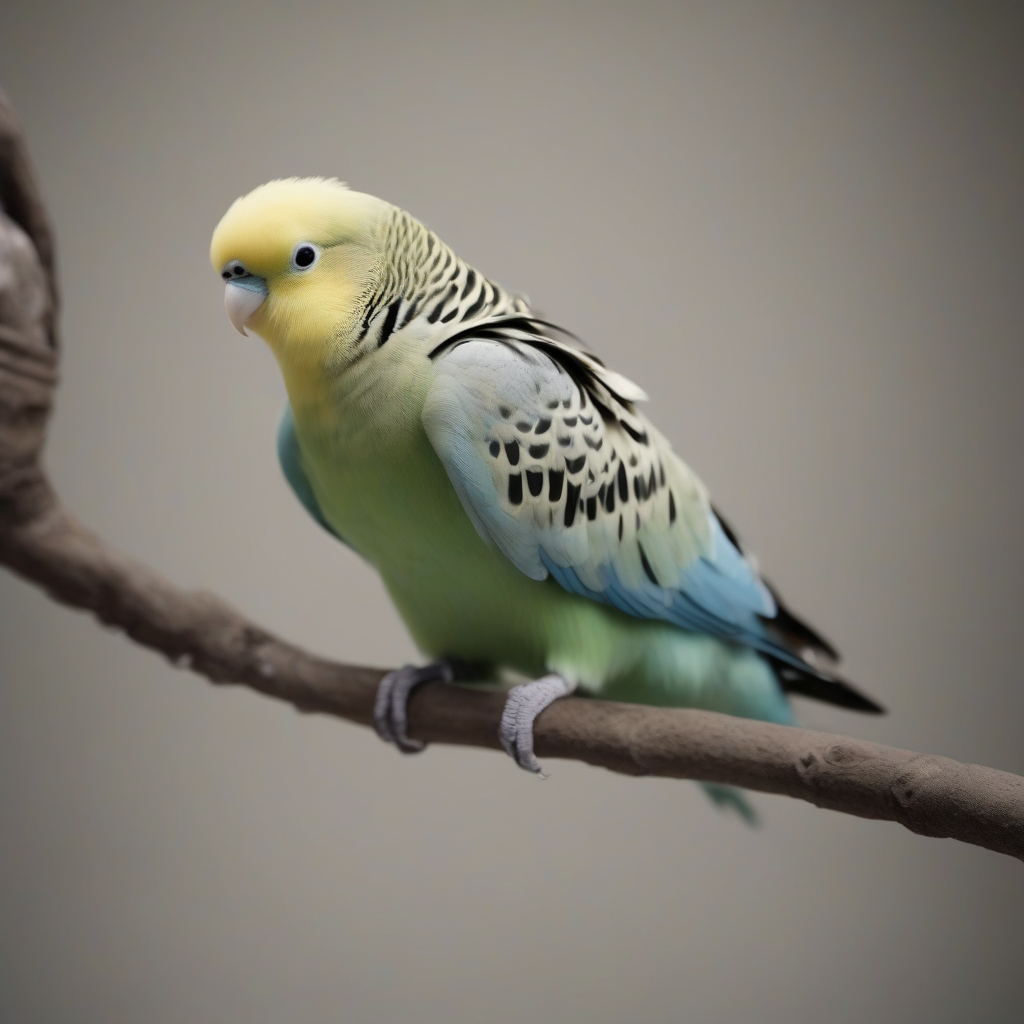
In this article, you will find comprehensive information about the neurophysiological effects of fractures in birds on the brain, their hidden symptoms, and lifesaving emergency intervention codes.


In this article, you will discover how your fish perceive visual cues and daily routines in the aquarium, the role of memory mechanisms in this process, and scientific training secrets you can apply to enhance their mental vitality.

In this article, you will discover the profound neurosensory effects of aquarium substrate on fish brain health and behavior, and scientific secrets for an optimal habitat.
Acute respiratory obstruction, or choking, in your hamster is one of the most urgent, life-threatening emergencies. In this article, we will delve into the 5 insidious neurophysiological effects of choking on your hamster's brain and the lifesaving emergency intervention codes you can apply in this critical situation. Swift and correct action can save your tiny friend's life.
Pet birds, by their very nature, are incredibly delicate and fragile. Sudden traumas they might experience, such as a simple fall or a cage accident, can lead to serious damage to their bone structures—fractures. However, birds tend to hide their weaknesses due to their predatory instincts. This makes it difficult to spot the signs of a fracture at first glance, turning the situation into an 'invisible alarm.' Unfortunately, these hidden fractures not only cause physical pain but also have profound and insidious neurophysiological effects on your bird's brain functions. In this article, we will explore the secret dance of a potential fracture in your bird's brain and the lifesaving emergency intervention codes from a scientific perspective.
A fracture is not merely a break in bone integrity; it is a complex physiological stress condition affecting the entire body system. The neurophysiological responses of birds to this condition extend beyond pain, leading to behavioral, hormonal, and even metabolic changes.
Birds, like mammals, perceive pain through specialized nerve endings called nociceptors. In the event of a fracture, these nociceptors in the bone membrane (periosteum) and surrounding tissues send severe signals. These signals travel via the spinal cord to the bird's thalamus and somatosensory cortex, creating the sensation of pain. However, due to their evolutionary adaptations, birds commonly avoid outwardly expressing this pain. Instead, they may exhibit more subtle behaviors such as withdrawal, feather ruffling, or abnormal posture. Pain also triggers a 'hidden shock response' in birds. This is the body's initial reaction to trauma, potentially leading to a drop in blood pressure, an increase or decrease in heart rate, and circulatory disturbances. This state of shock can affect the flow of oxygen and nutrients to the brain, paving the way for disorientation and more severe neurological complications.
Severe trauma, such as a fracture, activates the bird's hypothalamic-pituitary-adrenal (HPA) axis, triggering the release of corticosterone (the primary stress hormone in birds). High corticosterone levels, when chronic, can suppress the immune system, disrupt metabolism, and, critically, have neuroinflammatory effects on the brain. Neuroinflammation, characterized by microglial activation and cytokine release in brain tissue, can negatively impact cognitive functions such as learning, memory, and decision-making. The stress your bird experiences during recovery can further exacerbate this neuroinflammation, potentially leading to long-term behavioral disorders, apathy, or learned helplessness.
A bird experiencing a fracture acts on its instinct for self-preservation. Showing weakness means becoming an easy target for predators. Therefore, they try to hide their pain and limited mobility. This hiding behavior stems from the overactivation of brain regions that govern fear and survival mechanisms, such as the amygdala. The bird may tend to retreat to a dark, hard-to-reach, or otherwise safer place. They might ruffle their feathers, experience loss of appetite, and avoid socializing. These behavioral changes are a reflection not only of physical pain but also of the intense fear and stress they experience within their brains. To help reduce your bird's stress, our articles Your Bird's 'Hidden Stress Alarm' in Feathers: 5 Insidious Neurobiological Triggers of Feather Plucking and Lifesaving Scientific Solutions! and The 'Invisible Echo Chamber' in Your Bird's Cage: The Neurobiological Importance of Sound Insulation and Scientific Secrets for a Peaceful Habitat! can be helpful.
Trauma and severe pain affect the bird's autonomic nervous system (ANS). The ANS comprises the sympathetic and parasympathetic nervous systems and controls involuntary bodily functions. In the event of a fracture, the sympathetic nervous system can become overactivated, leading to an increased heart rate, changes in blood pressure, and respiratory irregularities. This places a significant strain on the cardiovascular system, increasing the risk of heart failure or circulatory shock. Inadequate blood flow to the brain can result in neurological damage and prolong the recovery period. Especially in cases of blood loss, birds can quickly go into shock; for such emergencies, you can learn more by reading our article Your Bird's 'Red Flash': 5 Neurobiological Alarms in the Brain During Sudden Bleeding and a Lifesaving First Aid Guide!.
Open fractures or fractures accompanied by soft tissue damage leave birds vulnerable to secondary bacterial infections. These infections not only cause local inflammation but can also spread throughout the body, triggering a systemic inflammatory response. This response can compromise the integrity of the blood-brain barrier, allowing bacterial toxins and inflammatory cytokines to reach the brain. This can lead to more severe neuroinflammation in the brain, such as meningitis or encephalitis, severely affecting the bird's neurological functions. While secondary infections weaken your bird's immune system, supporting it with correct feeding strategies like those described in Your Bird's Secret 'Nutrition Labyrinth': Toxin Traps and 5 Neurochemical Secrets to Fortify Digestive Immunity is vitally important.
If you suspect your bird has a fracture, time is of the essence. Prompt and correct intervention directly impacts your bird's life and chances of recovery.
First and foremost, it is crucial to remain calm and avoid causing your bird further stress. Gently and carefully place your bird in a small, dark, and well-ventilated carrier (padded with a towel or soft cloth). This will restrict the bird's movement to prevent further injury and help calm it. Keep the environment quiet and away from bright lights. Avoid sudden movements and loud noises. Remember that other emergencies, such as foreign body ingestion, can occur; for more information on this, see Your Bird's 'Hidden Death Trap' in the Throat: 5 Insidious Neurophysiological Effects of Swallowed Foreign Objects and Lifesaving Emergency Intervention Codes!.
If the fracture is not open and the bird is small, placing it in a carrier is usually sufficient. However, if there is a clear suspicion of a fracture in a wing or leg, you can very gently and without causing further pain to the bird, try to support the fractured area with cotton pads or soft cloths. Never try to set the fracture or put it back in place! This can lead to more tissue damage, nerve, or blood vessel injuries. Be careful not to shake the carrier during transport.
Do not attempt to give your bird pain relievers or other medications at home before reaching a veterinarian. Incorrect medication or dosage can be fatal to your bird. To prevent shock, try to keep your bird warm (but avoid overheating). You can place a heating pad on a low setting under the carrier or wrap the carrier in a warm blanket. Monitor the bird's body temperature and remove the heat source if there are signs of overheating (open-mouth breathing, holding wings away from the body). Insufficient hydration can exacerbate shock; therefore, understanding Your Bird's Secret 'Dehydration Neural Network': 5 Shocking Neurobiological Effects of Insufficient Hydration on the Brain-Gut Axis! is beneficial.
If you suspect your bird has a fracture, immediately contact your veterinarian and explain the situation. Follow the veterinarian's instructions. When going to the clinic for examination, note the type of trauma your bird experienced, the time, and all the symptoms you observed. Changes in your bird's posture, breathing, droppings, and overall mobility will provide important clues to the veterinarian. X-ray imaging is vital for the definitive diagnosis of a fracture and the formulation of an appropriate treatment plan.
Remember, birds are masters at hiding their pain. Being proactive and seeking professional help, even with the slightest suspicion, can save your feathered friend's life and increase their chances of a healthy recovery. Understanding their silent alarm signals is fundamental to being a responsible pet owner.
