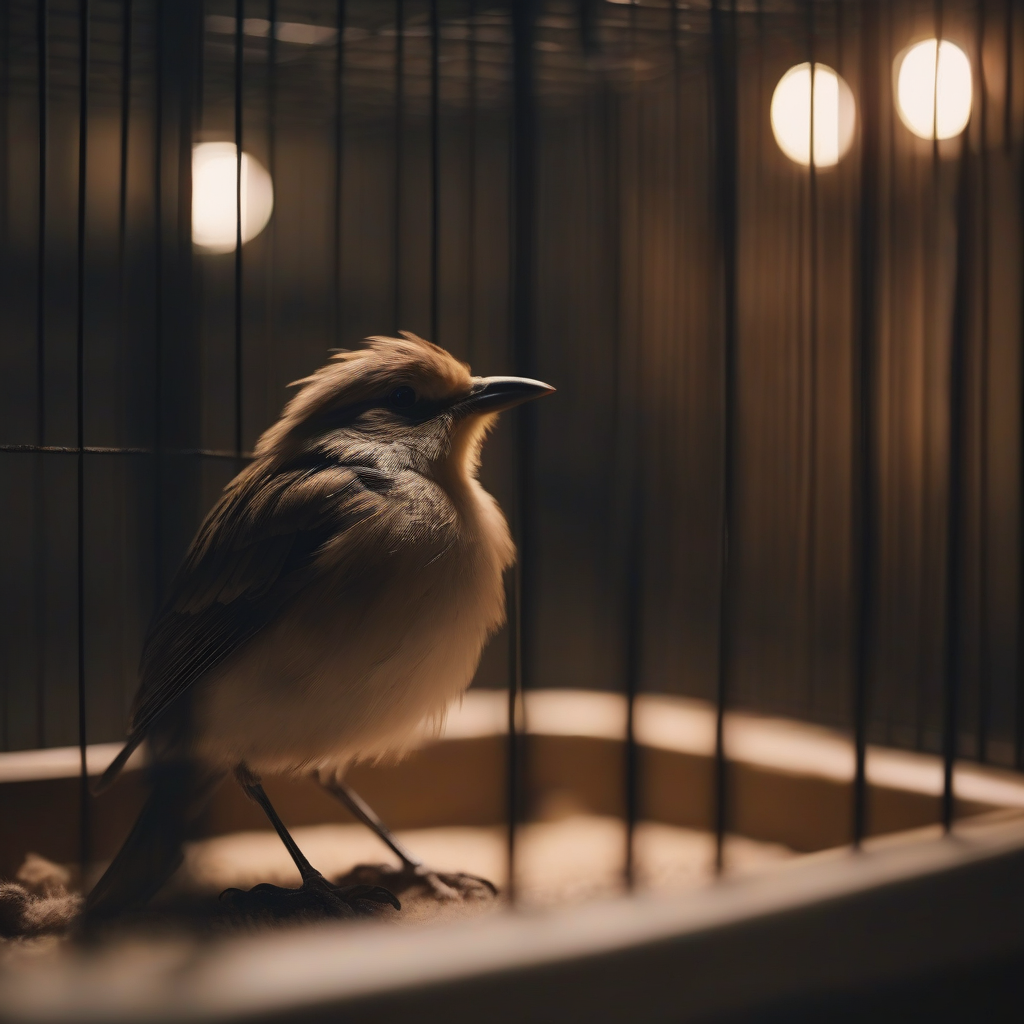
In this article, you will find comprehensive information about your bird's night terrors, the neurocognitive signs of sleep terrors, and scientific solutions to create a safe, peaceful sleep environment.


In this article, you will discover the little-known but profound effects of the acoustic environment in rabbit living spaces on their brain health and general well-being, exploring the neurobiological consequences of both sound deprivation and overstimulation, and scientific secrets to creating a peaceful environment. Understand and optimize your rabbit's world with expert tips.
In this article, you will find comprehensive information about the insidious neurobiological effects of artificial colorings, preservatives, and flavors found in commercial bird feeds on your bird's brain health and mental vitality. We explore scientific nutritional secrets to combat these hidden dangers, shedding light on a wide spectrum of effects from behavioral changes to cognitive decline.

In this article, you can discover the scientific secrets to understanding your cat's undesirable habits, deciphering the neurocognitive mechanisms in their brain, and establishing lasting new routines.
Birds, with their vibrant feathers and cheerful chirps, are intelligent and sensitive creatures that bring life to our homes. However, little is often discussed about their sleep patterns and nocturnal experiences. Just like humans, birds can sometimes experience profound neurocognitive disturbances that we might call 'night terrors' or sleep terrors. This condition not only hinders your bird's rest but also negatively impacts its overall health and behavior. As of April 2026, research into bird psychology and behavior allows us to better understand the complex mechanisms underlying these 'nighttime crises'.
Unlike their wild ancestors, pet birds may not always feel safe in a domestic environment. Sudden changes in the surroundings, unexpected noises, or inadequate cage conditions can lead to deep anxiety at night. In this article, we will examine 5 insidious neurocognitive signs of sleep terrors experienced by your bird from a scientific perspective and offer lifesaving strategies to provide them with a peaceful sleep environment.
Avian sleep is complex, though different from that of mammals. Birds can sometimes experience unihemispheric slow-wave sleep (USWS), where one half of their brain remains awake while the other sleeps. This adaptation evolved for protection against predators. Additionally, birds have been observed to exhibit dream-like states similar to REM sleep in mammals. However, during these deep sleep states, the perception of environmental threats or stress factors can trigger sudden awakenings and panic responses. These reactions are triggered by the overactivation of fear centers in the bird's brain, such as the amygdala, resulting in a 'nightmare' experience.
The signs that your bird is experiencing night terrors can sometimes be misinterpreted or overlooked. Here are 5 neurocognitive signs to look out for:
Your bird suddenly waking up in the middle of the night, screaming loudly, or flapping wildly in its cage is the most prominent sign. This is commonly known as a night fright. The bird may panic because it feels threatened, potentially injuring itself by hitting the cage bars or plucking its feathers. This condition is linked to the 'fight or flight' response being triggered in the brain during sleep.
If these sudden awakenings occur frequently, your bird might be experiencing chronic sleep terrors. Repeated panic attacks can cause your bird to get stuck in its cage, break wings or legs, suffer beak trauma, or sustain serious internal injuries. Repeatedly exhibiting the same traumatic responses at night increases the bird's stress levels and reinforces fear circuits in its brain.
Insufficient and poor-quality sleep directly affects your bird's daytime behavior. You might observe signs such as irritability, apathy, feather plucking, loss of appetite, avoidance of social interaction, or increased aggression. Your bird may tend to doze during the day or appear lethargic during hours when it is normally active. This is a result of cognitive functions and emotional regulation in the brain being affected by sleep deprivation. Your bird experiencing Your Bird's 'Mental Hunger Syndrome': 5 Insidious Behavioral Effects of Lack of Cognitive Stimulation and Scientific Solutions to Develop the Brain! can also trigger these symptoms.
Birds experiencing sleep terrors can become hypersensitive to minor noises or sudden movements that they would normally ignore. This indicates a state of constant vigilance in the brain. They may be prone to startling, jumping, or reacting aggressively to the slightest stimulus. This is due to the stress experienced during sleep lowering their neurosensory thresholds.
Sleep disorders can also trigger physiological stress symptoms in birds. You might observe rapid breathing, an increased heart rate, trembling, or a tense and stiff body posture even after waking. These physiological responses indicate that the bird's body is constantly trying to cope with a perceived state of danger, and its autonomic nervous system is overstimulated.
There are several scientific steps you can take to ensure your bird gets a peaceful night's sleep:
Place your bird's cage in the calmest, least noisy corner of the house, away from heavy traffic. Avoid direct window or door placement. Covering part or all of the cage at night (as your bird is accustomed to) with a special cover creates a safe 'cocoon' feeling, isolating it from external stimuli. This is closely related to the environmental effects discussed in the article Your Bird's 'Hidden Climate Engineering': 5 Unknown Neurobiological Effects of Cage Placement and Lighting!.
Complete darkness can trigger panic attacks in some birds. A very dim night light or a small table lamp can allow your bird to see its surroundings slightly, preventing disorientation during a sudden awakening. This helps reduce the brain's shock response, promoting a sense of security. It is also crucial to correctly interpret the distress signals your bird sends through Your Bird's 'Secret Communication Codes': 5 Scientific Secrets of Tones and Body Language in Training!.
Birds are creatures of routine. Covering the cage at the same time each night, dimming the lights, and providing a calm environment signals to your bird's brain that it's time to sleep. This predictability reduces the secretion of stress hormones like cortisol and ensures a more peaceful transition. This principle is identical to what is described for rabbits in the article Your Rabbit's 'Secret Routine Addiction': 5 Neurocognitive Effects of Daily Changes on Brain Chemistry!.
Birds that do not receive enough cognitive and physical stimulation during the day may be more restless at night. Toys with different textures, foraging activities, and interactive games within the cage engage your bird's mind and allow it to expend energy in a healthy way. This helps protect it from negative effects like Your Bird's 'Invisible Repetition Trap': 5 Insidious Effects of a Monotonous Environment on Brain Chemistry and Scientific Strategies to Restore Mental Vitality! and allows for deeper sleep.
If your bird's sleep terror symptoms persist or worsen, you should consult a veterinarian. The veterinarian can rule out any underlying medical causes (pain, illness, etc.) and, if necessary, suggest solutions such as behavioral therapy or medication. Seeking professional help is vital for your bird's health and well-being.
Understanding and addressing your bird's 'night terrors' with scientific solutions is key to improving its quality of life. Remember, peaceful sleep means a healthy and happy bird. By providing a safe and calm environment, we can ensure these sensitive companions get the rest they deserve.
