
In this article, you will find comprehensive information on the 5 insidious neurobiological effects of grain-free diets on brain health in dogs, beyond common beliefs, and scientific strategies to maintain mental vitality.


In this article, you will discover the little-known but profound effects of the acoustic environment in rabbit living spaces on their brain health and general well-being, exploring the neurobiological consequences of both sound deprivation and overstimulation, and scientific secrets to creating a peaceful environment. Understand and optimize your rabbit's world with expert tips.
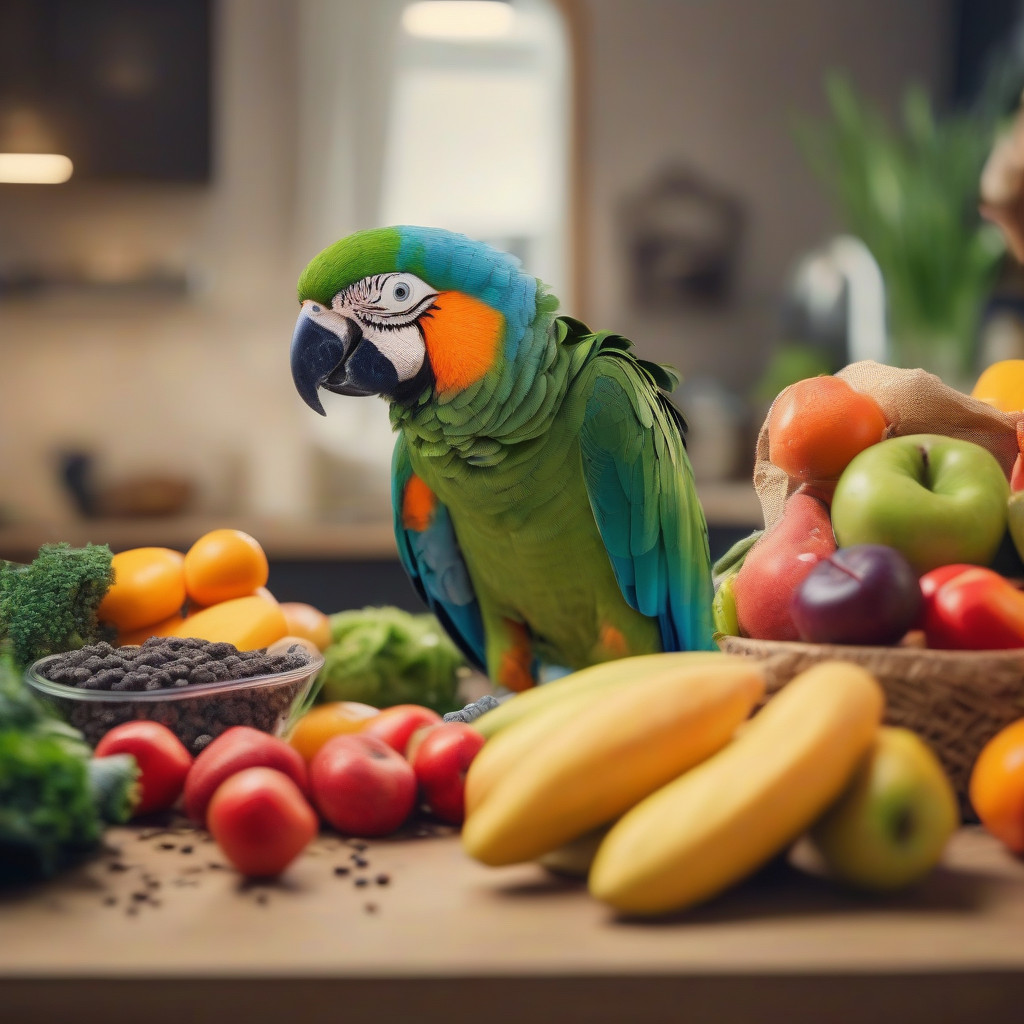
In this article, you will find comprehensive information about the insidious neurobiological effects of artificial colorings, preservatives, and flavors found in commercial bird feeds on your bird's brain health and mental vitality. We explore scientific nutritional secrets to combat these hidden dangers, shedding light on a wide spectrum of effects from behavioral changes to cognitive decline.

In this article, you can discover the scientific secrets to understanding your cat's undesirable habits, deciphering the neurocognitive mechanisms in their brain, and establishing lasting new routines.
In the modern world of pet nutrition, "grain-free" diets have become a popular choice among dog owners. Marketing messages often suggest that grain-free foods are closer to our ancestors' eating habits and healthier for our canine companions. However, scientific research reveals complex truths behind these claims. While concerns primarily related to heart health have been on the agenda in recent years, the insidious neurobiological effects of grain-free diets on your dog's brain are often overlooked. In this article, we will delve into 5 hidden neurobiological codes that demonstrate how grain-free nutrition can affect your dog's cognitive functions, mood, and overall mental vitality.
The term "grain-free diet" describes foods that do not contain traditional grains like corn, wheat, and rice. These diets often use alternative carbohydrate sources such as potatoes, sweet potatoes, peas, lentils, and tapioca. Dog owners may choose these foods believing that grains can cause allergies or digestive problems. However, being grain-free does not always mean "healthy" or "natural." Many grain-free foods are highly processed and can have unexpected effects on your dog's health due to nutrient imbalances or the excessive use of certain ingredients. In fact, as detailed in the article Your Dog's Food Bowl's 'Secret Chemical Whispers': 5 Insidious Neurobiological Effects of Processed Foods on the Brain and Healthy Choice Secrets!, highly processed foods can have negative impacts on brain health.
Despite the popularity of grain-free diets, their indirect or direct effects on your dog's brain are critically important and often unnoticed. Here are the five keys to these mysterious interactions:
Taurine is a crucial amino acid not only for the heart but also for the brain and nervous system. It plays a role in neurotransmitter function, cell membrane stability, and antioxidant defense. Some grain-free diets may contain high levels of legumes, peas, and potatoes, which can interfere with taurine synthesis or reduce its bioavailability. While dogs can usually synthesize taurine from other amino acids, certain ingredients in some diets can disrupt this process or increase taurine requirements. While taurine deficiency is known to be directly linked to heart failure, its deficiency in the brain can lead to neurotransmitter imbalances, cognitive dysfunction, and behavioral changes. This situation is valid for dogs, similar to the importance highlighted for cats in the article Your Cat's Brain's 'Hidden Taurine Scarcity': 5 Insidious Neurobiological Effects Beyond Heart and Eye Health and Lifesaving Nutritional Strategies!.
B-group vitamins (thiamine, riboflavin, niacin, pyridoxine, folate, B12, etc.) are vital for neuronal energy production, neurotransmitter synthesis, and overall brain health. Traditional grains are good sources of these vitamins. Some alternatives used in grain-free diets may be deficient in B vitamins or contain antinutrients that inhibit their absorption. Specifically, thiamine (B1) deficiency can lead to severe neurological symptoms, while folate and B12 deficiencies have been associated with cognitive decline and behavioral changes. This situation is an example of how general micronutrient deficiencies demonstrate neurobiological effects, as shown in the article Your Hamster's 'Hidden Micronutrient Hunger': 5 Insidious Neurobiological Effects of Vitamin and Mineral Deficiencies on the Brain and Scientific Nutrition Secrets for Optimal Intelligence!.
Dogs' gut microbiota is in constant interaction with the brain via the "gut-brain axis," a bidirectional communication network. The fiber profile and carbohydrate sources of grain-free diets can alter the composition of the gut microbiota. High-fiber, but monotonous legume-based diets or low-quality carbohydrates, can increase the risk of dysbiosis (imbalance of gut flora). An unhealthy microbiota can lead to the secretion of pro-inflammatory cytokines, which can cross the blood-brain barrier and cause chronic neuroinflammation. Neuroinflammation is strongly associated with cognitive decline, anxiety, and depression-like behavioral changes. As seen in the article Your Fish's Brain's Secret Fermentation Orchestra: 5 Insidious Neurobiological Effects of Gut Microbiota and Optimal Nutritional Strategies!, gut health is deeply connected to brain health for all species.
Some alternative carbohydrate sources used in grain-free diets, especially potatoes, sweet potatoes, and tapioca, can have a high glycemic index. This can lead to rapid increases and decreases in your dog's blood sugar. These sudden fluctuations in blood sugar can disrupt the brain's energy regulation, preventing neurons from functioning optimally. In the short term, focus problems, lethargy, or excessive hyperactivity may be observed, while in the long term, a decline in cognitive performance and even mood disorders like anxiety can emerge. This situation, as stated in the article Your Cat's Hidden 'Carbohydrate Shock': 5 Insidious Neurobiological Collapses of Metabolic Rhythm and Energy Balancing Secrets!, demonstrates the profound effects of sugar metabolism on the brain.
Trace elements such as zinc, selenium, and manganese are vital cofactors for synaptic transmission, neurotransmitter synthesis, and oxidative stress defense in the brain. Some grain-free diet formulations may not adequately substitute the trace elements provided by grains, or antinutrients like phytates found in grain-free diets can reduce the bioavailability of these elements. Deficiencies can disrupt intercellular communication between neurons, negatively affecting synaptic plasticity (the ability underlying learning and memory). This can manifest as learning difficulties, memory problems, and behavioral irregularities. The article Your Fish's Brain's 'Hidden Nutrient Gaps': 5 Insidious Neurocognitive Effects of Insufficient Nutritional Variety and Scientific Nutrition Secrets for a Brilliant Mind! emphasizes the importance of general nutritional variety for mental health, and this also applies to dogs.
To protect your dog's brain health and support its mental vitality, it is crucial to make informed decisions regarding grain-free diets. Here are the steps you can take with scientific strategies:
While grain-free diets, when properly formulated, can be suitable for some dogs, they are not a generalized "healthier" solution. Along with heart health concerns, understanding the insidious neurobiological effects on your dog's brain is critical for long-term health and mental vitality. Making informed choices, working in collaboration with your veterinarian, and focusing on your dog's individual needs are key to providing them with the best quality of life. Nourishing your dog's brain is much more than just filling its stomach; it's an investment in a bright and happy life for them.
